
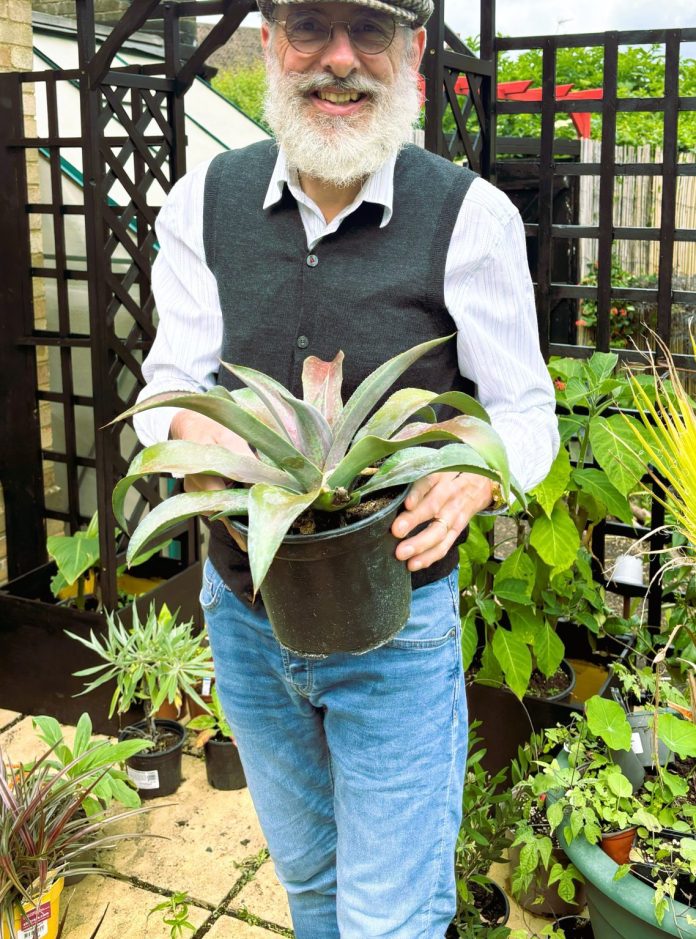
Mangaves, a hybrid between the Agave and Manfreda genera, have captivated gardeners worldwide with their striking foliage and robust nature. These unique succulents, known for their varied colors, patterns, and architectural shapes, offer a touch of the exotic to UK gardens. While traditionally grown in warmer climates, with careful planning and the right conditions, mangaves can thrive in the UK’s temperate environment. This guide will help you navigate the essentials of growing mangaves in the UK.
Understanding Mangaves
Mangaves combine the best attributes of their parent plants: the drought tolerance and structural beauty of agaves, with the softer, faster-growing characteristics of manfredas. This results in a plant that is not only visually stunning but also relatively easy to care for.
Choosing the Right Variety
Selecting the appropriate mangave variety is crucial for success in the UK’s climate. Some popular varieties that might do well include:
- Mangave ‘Bloodspot’: Known for its deep red spots and rosettes, this variety is compact and ideal for container gardening.
- Mangave ‘Lavender Lady’: Features striking purple leaves that add a splash of color to any garden.
- Mangave ‘Moonglow’: Has bluish-green leaves with a powdery coating, offering a more subtle aesthetic.
Planting Mangaves
Location: Mangaves need plenty of sunlight to thrive. Choose a location that receives at least six hours of direct sunlight daily. In the UK, a south-facing spot is often ideal.
Soil: Well-draining soil is essential to prevent root rot. Use a cactus or succulent potting mix, or amend garden soil with sand or gravel to improve drainage.
Containers: For better control over soil and moisture conditions, consider planting mangaves in containers. This also allows for easy relocation indoors during colder months.
Watering and Feeding
Watering: Mangaves are drought-tolerant but will benefit from regular watering during the growing season. Water deeply but infrequently, allowing the soil to dry out between watering sessions.
Feeding: Fertilize mangaves sparingly. Use a balanced, diluted liquid fertilizer once a month during the growing season (spring and summer). Over-fertilization can lead to excessive growth and weaker plants.
Winter Care
While mangaves are more cold-tolerant than pure agaves, they are not frost-hardy. In most parts of the UK, it’s essential to provide protection during the winter months:
- Indoor Overwintering: Move container-grown mangaves indoors to a bright, cool location such as a conservatory or greenhouse before the first frost.
- Outdoor Protection: For in-ground plants, use cloches, fleece, or heavy mulch to protect from frost. Ensure the soil is well-drained to prevent waterlogged roots.
Pests and Diseases
Mangaves are relatively resistant to pests and diseases but can occasionally suffer from:
- Mealybugs: These can be controlled with insecticidal soap or by wiping the leaves with a cotton swab dipped in rubbing alcohol.
- Root Rot: Prevent by ensuring excellent drainage and avoiding overwatering.
Propagation
Propagating mangaves can be done through offsets or seeds. Offsets, or “pups,” that appear around the base of mature plants can be removed and potted separately. Seeds can be sown in a well-draining mix and kept moist until germination.
Designing with Mangaves
Mangaves are versatile and can be used in various garden designs:
- Rock Gardens: Their architectural forms and low water needs make them perfect for rock gardens.
- Containers: Create striking container displays with mixed succulents and mangaves.
- Borders and Beds: Use as focal points in sunny borders or mixed with other drought-tolerant perennials.
Conclusion
Growing mangaves in the UK requires some adaptation and care, especially concerning winter protection and ensuring proper drainage. However, their unique beauty and relatively low maintenance make them a rewarding addition to any garden. By choosing the right varieties and following these guidelines, you can enjoy the striking presence of mangaves in your UK garden, bringing a touch of the exotic to your outdoor space.
Mangave – Grow Guide
Common name: Mangave (Agave × Manfreda hybrid)
Family: Asparagaceae
Plant type: Succulent perennial
Hardiness: RHS H4–H5 – hardy in most of the UK if grown in a sheltered, well-drained spot; frost protection advised in colder areas
Height & spread: 30–60 cm tall × 45–75 cm wide (varies by cultivar)
Overview
Mangaves are tough, architectural succulents combining the spiny, rosette form of Agave with the soft, patterned leaves of Manfreda. They are grown primarily for their striking foliage, which comes in greens, silvers, greys, and variegated patterns, and are well-suited for rockeries, containers, and tropical-style gardens.
Position
- Full sun for best leaf colour and compact habit
- Can tolerate light shade, but colour may fade
- Sheltered from cold winds for best performance in the UK
Soil
- Very well-drained soil; sandy or gritty mix ideal
- Avoid heavy clay or waterlogged conditions
- Slightly acidic to neutral pH 6.0–7.5
- Incorporate grit or horticultural sand to improve drainage
Planting & Containers
- Plant in spring or early summer
- Space 45–75 cm apart for mature rosettes
- Excellent for pots, troughs, or raised beds
- Ensure containers have good drainage holes
Watering
- Water moderately during growth (spring–summer)
- Allow soil to dry out between watering
- Reduce watering in autumn and winter to prevent root rot
Feeding
- Apply a cactus or succulent fertiliser in spring and summer
- Slow-release or liquid fertiliser at half-strength works well
- Avoid high-nitrogen feeds that encourage soft growth
Growth & Habit
- Forms dense rosettes of succulent leaves, often spiny at the edges
- Leaves may be green, silver, grey, or patterned
- Produces tall flower spikes occasionally after several years (flowering is uncommon in UK gardens)
Flowering
- Months: Summer (rare in UK gardens)
- Flowers: Tubular, on tall spikes, attracting pollinators
- Flowering is secondary; plants are mostly grown for foliage
Maintenance
- Remove dead or damaged leaves to keep rosettes tidy
- Protect from severe frost with cloche, fleece, or greenhouse
- Divide offsets if rosettes become overcrowded
Pests & Problems
- Generally trouble-free
- Occasional mealybugs or scale
- Root rot from poor drainage or overwatering
Propagation
- Offsets (pups): Separate from mature rosettes in spring or summer
- Rarely by seed; hybrids may not breed true
Garden & Display Use
- Rockeries and alpine-style beds
- Container planting for patios or conservatories
- Tropical-style borders with bold foliage plants like Phormium, Cordyline, and Canna
- Companion plants:
- Agave
- Aloe
- Yucca
- Phormium
Quick Reference Table
| Feature | Details |
|---|---|
| Hardiness | RHS H4–H5 – hardy if sheltered; frost protection in cold areas |
| Height | 30–60 cm |
| Spread | 45–75 cm |
| Flowering | Summer (rare in UK) |
| Position | Full sun; light shade tolerated |
| Soil | Very well-drained; sandy/gritty; pH 6.0–7.5 |
| Water | Moderate in growth; dry between watering; reduce in winter |
| Feeding | Cactus/succulent fertiliser in spring–summer |
| Propagation | Offsets (pups) |
| Maintenance | Remove dead leaves; protect from frost |
| Best feature | Architectural, patterned foliage for tropical-style gardens |