
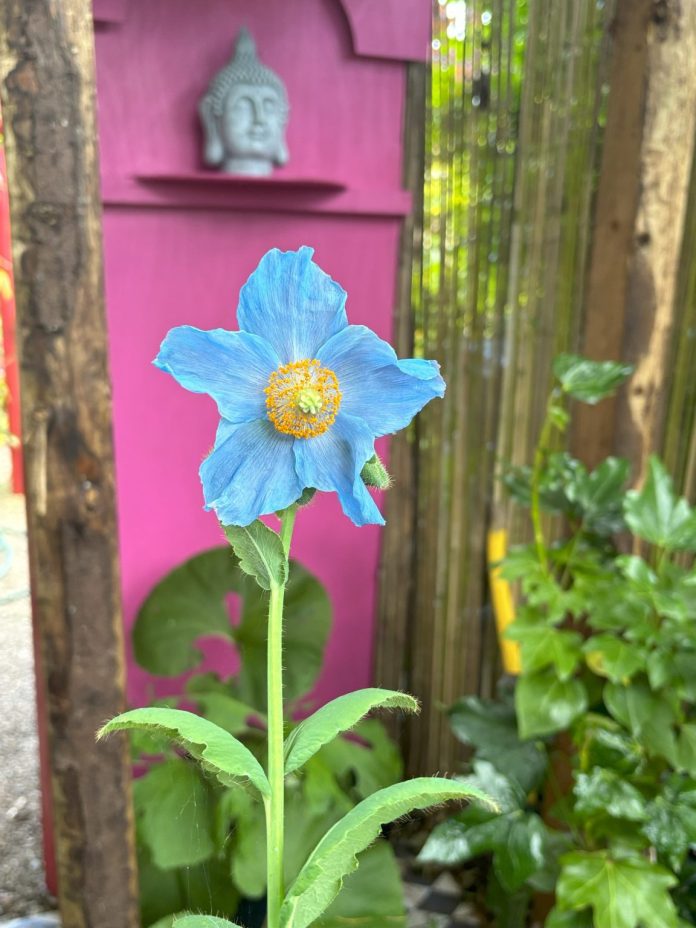
Creating a tropical-style garden in the UK can be a delightful challenge, blending lush, exotic plants with the sometimes harsh British climate. One stunning addition to this garden style is the Meconopsis, often known as the Himalayan blue poppy. Known for its striking blue flowers, Meconopsis can add a burst of color and an air of mystique to your garden. Here’s how to successfully cultivate this beautiful plant in a UK tropical-style garden, including understanding their life cycle, propagation methods, and the best varieties to choose.
Choosing the Right Variety
There are several species of Meconopsis, but the most commonly grown in UK gardens are Meconopsis betonicifolia, Meconopsis grandis, and Meconopsis ‘Lingholm’. These varieties are known for their vibrant blue flowers and similar growing requirements:
- Meconopsis betonicifolia: Also known as the Tibetan blue poppy, it is renowned for its stunning sky-blue flowers and is one of the most popular varieties.
- Meconopsis grandis: This variety features large, rich blue flowers and is often found in Himalayan meadows. It is slightly more robust than M. betonicifolia.
- Meconopsis ‘Lingholm’: A hybrid variety, ‘Lingholm’ is known for its vigor and reliability, producing masses of striking blue flowers.
Site Selection
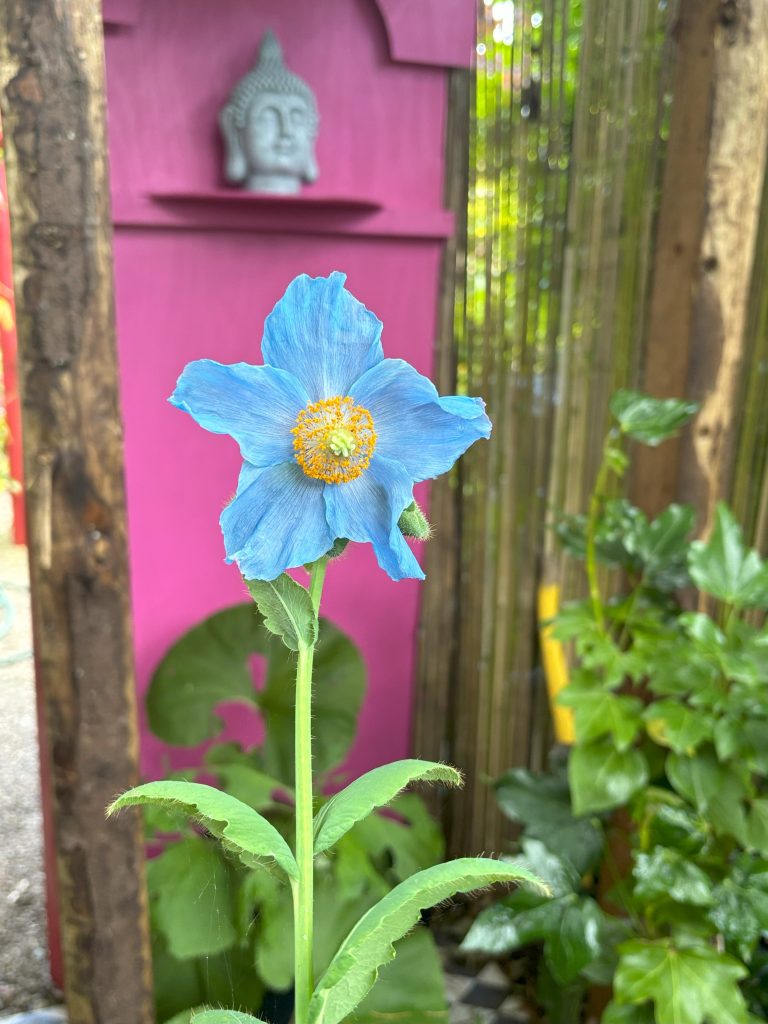
Meconopsis thrive in cool, humid climates with dappled shade, mimicking their native Himalayan habitat. Select a location in your garden that offers partial shade, especially in the afternoon. They do not fare well in full sun or deep shade. An ideal spot would be under the canopy of taller tropical plants like tree ferns or large-leaved bananas, which provide the necessary shade and protection from the wind.
Soil Preparation
These plants require rich, well-draining soil with a slightly acidic pH (5.5 to 6.5). Before planting, enrich the soil with organic matter such as well-rotted leaf mold or compost. Good drainage is crucial to prevent waterlogging, which Meconopsis do not tolerate well. Raised beds or planting on a slight slope can help ensure adequate drainage.
Planting
Spring is the best time to plant Meconopsis. When planting, space the plants about 30-45 cm apart to allow for good air circulation and growth. Dig a hole large enough to accommodate the root ball, and plant at the same depth as in the pot. Firm the soil gently around the plant and water thoroughly.
Life Cycle of Meconopsis
Meconopsis are perennial plants, meaning they live for more than two years. Their life cycle includes the following stages:
- Germination: Seeds germinate in early spring. This stage can take several weeks and requires cool, moist conditions.
- Seedling Stage: Young plants develop, focusing on growing roots and leaves.
- Vegetative Growth: Over the next one to two years, plants will focus on building strong root systems and foliage.
- Flowering: Meconopsis typically bloom in late spring to early summer, producing their iconic blue flowers.
- Seed Formation: After flowering, plants may produce seed pods. Deadheading can prolong the blooming period.
- Dormancy: In late autumn, the plants die back to their rootstock and remain dormant through winter, regrowing the following spring.
While Meconopsis are perennials and come back every year, some varieties may behave as short-lived perennials or biennials in certain conditions, particularly if they are not provided with optimal growing conditions.
Propagation Methods
Propagation of Meconopsis can be done through seeds or division.
Propagation from Seeds
- Seed Collection: Collect seeds from the seed pods once they have dried on the plant.
- Sowing: Sow seeds in late autumn or early winter. Use seed trays filled with a well-draining seed compost.
- Cold Stratification: Place the seed trays in a cold frame or unheated greenhouse. Seeds require a period of cold to germinate, mimicking their natural environment.
- Germination: Keep the soil moist. Germination can take several weeks to months. Once seedlings have a few true leaves, transplant them into individual pots.
- Planting Out: Transplant young plants into the garden the following spring after the last frost.
Propagation by Division
- Timing: Divide plants in early spring or immediately after flowering.
- Preparation: Water the plant thoroughly the day before dividing. This helps reduce shock to the plant.
- Division Process: Carefully dig up the plant and gently separate the clumps into smaller sections, ensuring each section has roots and a rosette of leaves.
- Replanting: Replant the divisions immediately, spacing them appropriately and watering well.
Watering and Feeding
Meconopsis prefer consistently moist soil, so regular watering is essential, particularly during dry spells. However, avoid waterlogging the soil. Mulching with organic material can help retain moisture and suppress weeds. Feed your Meconopsis with a balanced, slow-release fertilizer in the spring and again in midsummer to encourage robust growth and flowering.
Maintenance
Keep an eye out for slugs and snails, which can damage young plants. Use organic slug deterrents like crushed eggshells or copper tape. Deadhead spent flowers to encourage further blooming and to prevent the plant from self-seeding excessively.
Winter Care
Meconopsis are hardy but can suffer in extremely harsh winters. Mulching around the base of the plants with a thick layer of compost or straw can provide extra protection against frost. If you live in an area prone to severe frost, consider covering the plants with horticultural fleece during the coldest months.
By carefully selecting and nurturing your Meconopsis, and ensuring they have the right growing conditions, you can create a beautiful, serene tropical-style garden that flourishes in the UK climate. The vibrant blue flowers of the Meconopsis will serve as a stunning focal point, bringing a touch of the exotic Himalayas to your own backyard paradise.
Meconopsis – Grow Guide
Common name: Himalayan Poppy
Family: Papaveraceae
Plant type: Hardy perennial (some species biennial)
Hardiness: RHS H5–H6 – hardy in most of the UK
Height & spread: 60–120 cm tall × 30–60 cm wide (depending on species and cultivar)
Overview
Meconopsis is a dramatic, high-altitude perennial prized for its large, cup-shaped flowers, often in striking shades of blue, purple, white, or yellow. It is a cool-climate specialist, thriving in moist, shaded or semi-shaded sites with humus-rich soil. Famous for Meconopsis betonicifolia (Himalayan Blue Poppy), it adds a magical, alpine touch to borders, rockeries, and woodland gardens.
Position
- Partial shade is ideal; full sun may scorch leaves in warmer areas
- Protect from hot afternoon sun and strong winds
- Prefers sheltered, cool sites
Soil
- Moist, fertile, humus-rich, well-drained soil
- Slightly acidic to neutral pH (5.5–7.0)
- Avoid waterlogging, which causes crown and root rot
Planting
- Spring or autumn planting recommended
- Space 30–45 cm apart to allow airflow
- Mulch around base with leaf mould or well-rotted compost to retain moisture
Watering
- Keep soil consistently moist, particularly during flowering
- Avoid drying out, especially in summer
- Reduce watering slightly in dormant periods
Feeding
- Apply a balanced liquid fertiliser in spring as growth begins
- Additional feed after flowering can encourage healthy foliage
Growth & Habit
- Clump-forming perennial with basal rosettes of large, hairy leaves
- Tall stems produce solitary or clustered flowers
- Many species are short-lived perennials or biennials, often requiring succession planting
Flowering
- Months: Late spring–summer (varies by species)
- Flowers: Large, cup-shaped; classic Himalayan blue is Meconopsis betonicifolia
- Flowers last 2–3 weeks; remove spent flowers to maintain appearance
Maintenance
- Remove dead foliage and flower stems after flowering
- Mulch in winter for frost protection
- Some species benefit from light staking in windy sites
- Propagate young plants regularly to maintain continuous flowering
Pests & Problems
- Susceptible to slugs and snails
- Root or crown rot if soil is waterlogged
- Powdery mildew can occur in humid conditions
Propagation
- Seed: Most reliable method; sow fresh in autumn or spring
- Division: Some species can be divided in autumn, but many dislike root disturbance
- Cuttings: Rarely used
Garden & Display Use
- Cool, sheltered borders
- Alpine and woodland gardens
- Containers for alpine or cool-climate planting
- Companion plants:
- Primula species
- Pulmonaria
- Rodgersia
- Ferns
Quick Reference Table
| Feature | Details |
|---|---|
| Hardiness | RHS H5–H6 |
| Height | 60–120 cm |
| Spread | 30–60 cm |
| Flowering | Late spring–summer |
| Position | Partial shade; sheltered |
| Soil | Moist, humus-rich, well-drained; pH 5.5–7.0 |
| Water | Keep consistently moist |
| Feeding | Balanced liquid feed in spring and after flowering |
| Propagation | Seed (preferred), division |
| Maintenance | Remove spent flowers, mulch for frost protection |
| Best feature | Large, striking cup-shaped flowers in blue, white, or yellow |