
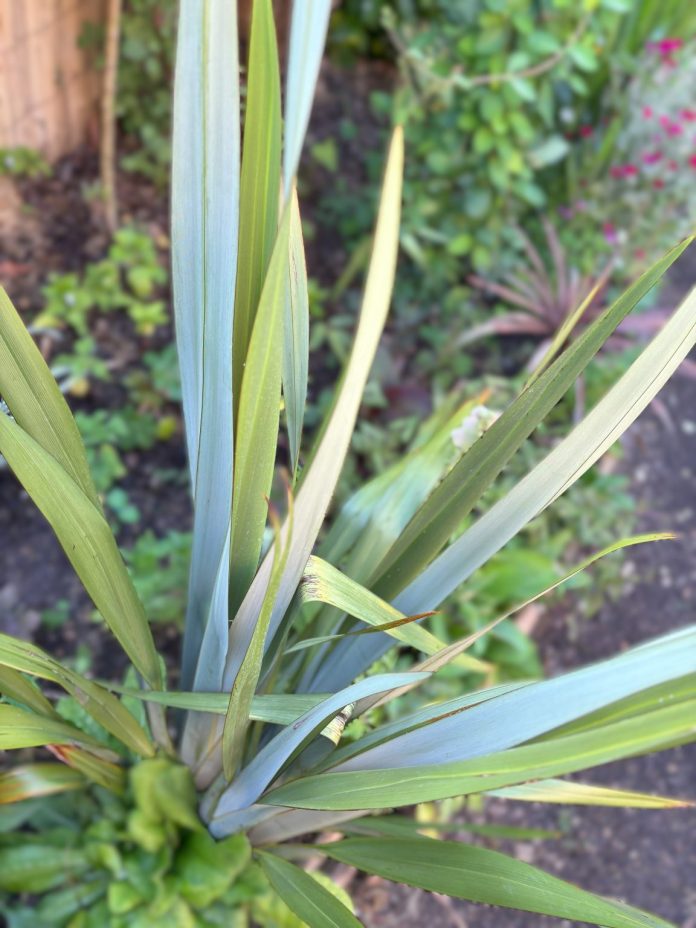
Phormium tenax, commonly known as New Zealand flax, has long been a beloved plant in UK gardens, renowned for its striking, sword-shaped leaves and its architectural presence. But in recent years, there has been speculation about whether this iconic plant has fallen out of fashion. Let’s delve into the history, growth, care, and current trends surrounding Phormium tenax.
History of Phormium Tenax in the UK
Phormium tenax has a storied history, both in its native New Zealand and in the UK. Indigenous Maori people in New Zealand have used the plant for centuries, particularly for its strong fibers, which were used to make ropes, baskets, and clothing. In the 19th century, Phormium tenax was introduced to the UK, where it quickly became a favorite among gardeners for its resilience and striking appearance.
Growth and Size
Phormium tenax is a robust and versatile plant that can grow up to 3 meters in height and spread to about 1.5 meters. It features long, rigid leaves that can be green, bronze, red, or variegated, adding a splash of color and texture to gardens. The plant also produces tall flower spikes with tubular red or yellow flowers, which attract pollinators like bees and birds.
To grow Phormium tenax, plant it in well-drained soil in a sunny or partially shaded location. While it is tolerant of a range of soil types, it thrives best in fertile, moist but well-drained soil. This plant is particularly valued for its hardiness; it can withstand temperatures as low as -5°C, making it suitable for various climates within the UK.
Care and Maintenance
One of the reasons for the popularity of Phormium tenax is its low maintenance requirements. However, to keep the plant healthy and vibrant, a few care tips should be followed:
- Watering: Water newly planted Phormium tenax regularly until established. Mature plants are drought-tolerant but will benefit from occasional watering during prolonged dry periods.
- Feeding: Apply a balanced fertilizer in the spring to promote healthy growth.
- Pruning: Remove dead or damaged leaves to maintain the plant’s appearance and prevent disease. Cut back flower spikes after blooming to encourage new growth.
- Pests and Diseases: Phormium tenax is generally pest-free, though it can be susceptible to scale insects and mealybugs. It’s also important to watch for Phormium mosaic virus, which causes yellow streaks on the leaves.
Current Trends and Fashion
Despite its hardy nature and striking appearance, there are signs that Phormium tenax may be waning in popularity among UK gardeners. The shift could be attributed to several factors:
- Changing Garden Aesthetics: The trend towards more naturalistic, wildlife-friendly gardens has seen a preference for native plants and wildflowers over exotic species like Phormium tenax.
- Space Considerations: Modern gardens are often smaller, and Phormium tenax, with its substantial size, may not be the ideal choice for compact urban spaces.
- New Varieties: The gardening market is constantly introducing new plant varieties, and gardeners may simply be opting for the latest fashionable alternatives.
However, it’s important to note that while trends come and go, the practical benefits and distinctive appearance of Phormium tenax ensure it remains a valuable plant for many gardeners. Its architectural form and vibrant foliage can provide year-round interest and a focal point in garden design.
Conclusion
Phormium tenax may not be the trendiest plant in UK gardens right now, but it still holds significant value for its resilience, low maintenance, and dramatic presence. Whether you’re looking to create a striking focal point, add structural interest, or simply enjoy a touch of the exotic, Phormium tenax is a timeless choice that, with proper care, will continue to thrive and enhance gardens for years to come.
Phormium tenax – Grow Guide
Common name: New Zealand Flax
Family: Asphodelaceae
Plant type: Evergreen perennial / architectural foliage plant
Hardiness: RHS H5 – hardy in most of the UK
Height & spread: 1–2 m tall × 1–2 m wide (varies with cultivar)
Overview
Phormium tenax is a bold, architectural perennial prized for its strap-shaped, upright leaves that can be green, bronze, or variegated depending on the cultivar. It produces tall flower spikes with tubular red or yellow flowers in summer, attracting birds and pollinators. Ideal for borders, coastal gardens, and containers, it adds dramatic structure and texture.
Position
- Full sun for best colour and flowering
- Tolerates partial shade, but leaves may lose intensity of colour
- Sheltered sites preferred in exposed coastal or windy locations
Soil
- Well-drained soil
- Tolerates poor, sandy, or clay soils if drainage is good
- Prefers slightly acidic to neutral soil (pH 6.0–7.5)
- Avoid waterlogged conditions, which cause root rot
Planting
- Plant in spring or autumn
- Space plants 1–2 m apart for mature growth
- Incorporate organic matter into soil to encourage strong leaf growth
- Mulch around the base to conserve moisture and suppress weeds
Watering
- Water regularly during establishment
- Once established, moderately drought-tolerant
- Avoid overwatering in winter; soggy soil may rot the crown
Feeding
- Feed in spring with a balanced fertiliser or one formulated for foliage plants
- High-nitrogen feeds can encourage lush leaf growth, but may reduce flowering
Growth & Habit
- Upright clumps of strap-shaped leaves growing from a central crown
- Leaves can range from green to bronze, red, or variegated
- Flower spikes appear in summer, reaching up to 2 m tall
- Low-maintenance and long-lived
Flowering
- Months: June–August
- Flowers: Tubular, red or yellow; attractive to birds
- Flowers arise on tall, arching stems above foliage
Maintenance
- Remove dead, damaged, or old leaves at the base
- Divide clumps every 5–7 years to rejuvenate the plant
- Protect young plants from frost and cold winds in their first winter
- Cut back flower spikes after flowering to tidy appearance
Pests & Problems
- Generally pest-free
- Occasionally aphids, scale, or mealybugs
- Root and crown rot can occur in poorly drained soil
Propagation
- Division of clumps in spring or autumn
- Seed: Rarely used; slow to establish and flowers take several years
Garden & Display Use
- Architectural feature in borders, coastal gardens, and patio containers
- Ideal for modern, tropical, or exotic garden styles
- Companion plants:
- Hebe
- Grasses (Miscanthus, Pennisetum)
- Phormium cultivars with contrasting leaf colours
- Cordyline
Quick Reference Table
| Feature | Details |
|---|---|
| Hardiness | RHS H5 |
| Height | 1–2 m |
| Spread | 1–2 m |
| Flowering | June–August |
| Position | Full sun; partial shade tolerated |
| Soil | Well-drained; pH 6.0–7.5 |
| Water | Regular while establishing; drought-tolerant once established |
| Feeding | Balanced fertiliser in spring |
| Propagation | Division |
| Maintenance | Remove old leaves, divide clumps every 5–7 years |
| Best feature | Architectural leaves and summer flower spikes |