
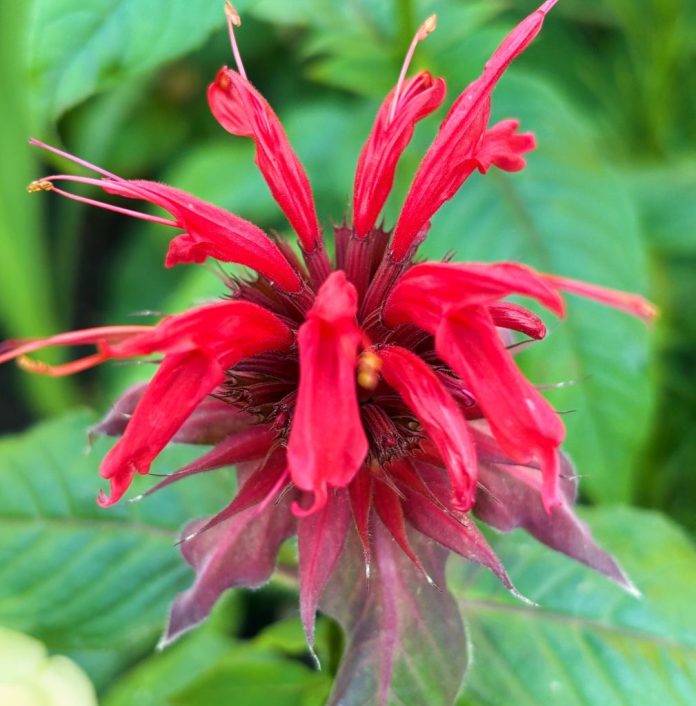
Monarda, commonly known as bee balm, is a vibrant, aromatic perennial belonging to the mint family. Known for its unique, shaggy blooms and ability to attract pollinators, Monarda is a popular choice for UK gardeners aiming to create a lively and colourful garden. This article delves into the history, best varieties, growing techniques, propagation methods, care tips, and common problems associated with Monarda in the UK.
History of Monarda
Monarda was named after Nicolás Monardes, a Spanish physician and botanist who published works in the 16th century describing plants of the New World. Native to North America, Monarda has been used for centuries by indigenous peoples for its medicinal properties. European settlers quickly adopted its use, and today it is widely grown for both its ornamental and therapeutic benefits.
Best Varieties of Monarda for the UK
There are several varieties of Monarda suitable for the UK climate, each offering unique characteristics:
- Monarda didyma (Scarlet Bee Balm): Known for its striking red flowers, it is a favourite among hummingbirds, although in the UK, it will more commonly attract bees and butterflies.
- Monarda fistulosa (Wild Bergamot): This variety features lavender to pink blooms and is often used in wildflower gardens.
- Monarda citriodora (Lemon Bee Balm): With a delightful lemon scent, this variety is ideal for culinary uses.
- Monarda ‘Jacob Cline’: A cultivar noted for its mildew resistance and large, vibrant red flowers.
- Monarda ‘Raspberry Wine’: Offers deep wine-red blooms and is a robust, mildew-resistant variety.
How to Grow Monarda in the UK
Growing Monarda is relatively straightforward, making it a great addition for both novice and experienced UK gardeners.
Site Selection
Monarda thrives in full sun to partial shade. Choose a location that receives at least 6 hours of sunlight daily. While it can tolerate some shade, too much will result in fewer blooms.
Soil Requirements
Monarda prefers well-draining soil that is rich in organic matter. It can tolerate a range of soil types but performs best in slightly acidic to neutral soil (pH 6.0-7.0). Incorporate plenty of compost or well-rotted manure into the soil before planting.
Planting
- Timing: Plant Monarda in spring or autumn.
- Spacing: Space plants 45-60 cm (18-24 inches) apart to ensure good air circulation, which helps prevent mildew.
- Depth: Plant at the same depth as they were in their pots, with the crown at soil level.
Propagation of Monarda
Monarda can be propagated through seeds, division, or cuttings.
Seeds
- Sowing: Sow seeds indoors 8-10 weeks before the last frost or directly in the garden after the danger of frost has passed.
- Germination: Seeds germinate in 14-21 days at temperatures of 21°C (70°F).
Division
- Timing: Divide plants in early spring or autumn.
- Method: Dig up the clump and separate it into smaller sections, each with several shoots and roots. Replant immediately.
Cuttings
- Timing: Take cuttings in late spring or early summer.
- Method: Cut a 10-15 cm (4-6 inch) stem just below a leaf node. Remove the lower leaves and dip the cut end in rooting hormone before planting in a pot filled with a moist growing medium.
Care for Monarda in the UK
Proper care ensures healthy, blooming Monarda plants.
Watering
Keep the soil consistently moist, especially during dry periods. Water at the base of the plant to avoid wetting the foliage.
Fertilizing
Apply a balanced, slow-release fertilizer in early spring. Over-fertilization can lead to excessive foliage growth with fewer blooms.
Pruning
Deadhead spent flowers to encourage continuous blooming. Cut back the stems to about 15 cm (6 inches) above the ground in late autumn or early spring to promote vigorous growth.
Common Problems and Solutions
Monarda is generally hardy but can face a few issues:
Powdery Mildew
A common problem, especially in humid conditions. Ensure good air circulation, water at the base, and choose mildew-resistant varieties.
Rust
Look for orange or brown pustules on the undersides of leaves. Remove and destroy affected leaves, and avoid overhead watering.
Leaf Spot
Caused by various fungi, it appears as dark spots on leaves. Improve air circulation and apply fungicides if necessary.
Aphids and Spider Mites
These pests can be controlled with insecticidal soap or neem oil. Introduce beneficial insects like ladybirds for natural pest control.
Conclusion
Monarda, with its striking blooms and aromatic foliage, is a delightful addition to any UK garden. By selecting the right variety and following proper growing, propagation, and care techniques, gardeners can enjoy a vibrant display of flowers that attract bees, butterflies, and other pollinators. Stay vigilant for common problems and address them promptly to maintain healthy, thriving plants. With a bit of effort, Monarda can bring both beauty and biodiversity to your garden.
Monarda – Grow Guide
Common name: Bee Balm, Bergamot
Family: Lamiaceae
Plant type: Herbaceous perennial
Hardiness: RHS H5 – hardy throughout the UK
Height & spread: 60–120 cm tall × 45–90 cm wide (depending on variety)
Overview
Monarda is a vibrant, aromatic perennial grown for its brightly coloured, tubular flowers and fragrant foliage. It is highly attractive to bees, butterflies, and hummingbirds, making it perfect for pollinator-friendly borders, cottage gardens, and herb gardens. Flowers appear from mid to late summer, and many varieties are suitable for cut flowers.
Position
- Full sun to partial shade
- Performs best in a sheltered position with good air circulation
- Partial shade can extend flowering in very hot summers
Soil
- Fertile, moist, well-drained soil
- Tolerates average garden soil, but rich, humus-filled soil encourages best flowering
- Avoid heavy, waterlogged soils
- Slightly acidic to neutral: pH 6.0–7.0
- Performs best in rich, well-drained soil within this range
- Can tolerate slightly alkaline soil occasionally, but flowering and overall vigour are strongest in neutral to slightly acidic soil
- Soil that is too alkaline may cause yellowing of leaves
Planting
- When: Spring or autumn
- Space plants 45–60 cm apart to allow airflow
- Mulch around the base to retain moisture and suppress weeds
Watering
- Keep soil evenly moist, especially during establishment
- Established plants are moderately drought-tolerant
- Avoid prolonged dry periods, which reduce flowering
Feeding
- Apply a balanced fertiliser in early spring and again after the first flush of flowers
- Too much nitrogen can encourage leaf growth at the expense of flowers
Growth & Habit
- Clump-forming perennial with aromatic, square stems and toothed leaves
- Flower heads are dense, tubular, and showy, ranging from red, pink, purple, to white
- Leaves can be used to make tea or potpourri
Flowering
- Months: July–September
- Flowers: Tubular, arranged in dense whorls, attracting pollinators
- Deadhead spent flowers to prolong bloom
Maintenance
- Cut back stems to the ground in late autumn or early spring
- Divide clumps every 3–4 years to maintain vigour
- Mulch in winter to protect roots in colder areas
Pests & Problems
- Generally pest-free
- Susceptible to powdery mildew, especially in humid or crowded conditions
- Slugs may damage young shoots
Propagation
- Division: Every 3–4 years in spring or autumn
- Seed: Sow indoors in spring; seedlings may take 2 years to flower
- Cuttings: Softwood cuttings root easily in early summer
Garden & Display Use
- Cottage and pollinator-friendly borders
- Herb and tea gardens
- Cut flower gardens
- Companion plants:
- Echinacea
- Rudbeckia
- Salvia
- Monarda varieties with contrasting flower colours
Quick Reference Table
| Feature | Details |
|---|---|
| Hardiness | RHS H5 |
| Height | 60–120 cm |
| Spread | 45–90 cm |
| Flowering | July–September |
| Position | Full sun to partial shade |
| Soil | Moist, fertile, well-drained |
| Water | Evenly moist |
| Feeding | Balanced fertiliser in spring and after first flush |
| Propagation | Division, seed, softwood cuttings |
| Maintenance | Cut back annually, divide every 3–4 years |
| Best feature | Bright tubular flowers attracting pollinators |