
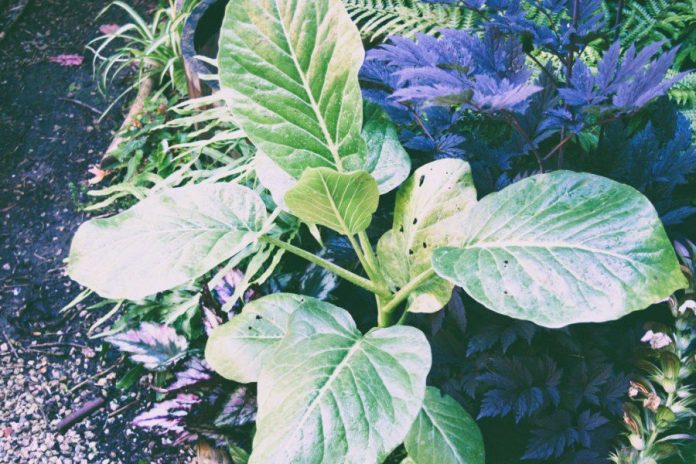
Dendroseris litoralis, commonly known as the cabbage tree, is an extraordinary plant that brings a touch of exotic flair to any garden with its large, lush leaves and unique form. Native to the Juan Fernández Islands off the coast of Chile, this rare and endangered plant can be successfully cultivated in the UK’s climate with proper care. Here’s a detailed guide to growing Dendroseris litoralis in a UK tropical garden.
History of Dendroseris litoralis
Dendroseris litoralis, part of the Asteraceae family, hails from the remote Juan Fernández Islands. Known for its unusual, almost prehistoric appearance, it is critically endangered in its native habitat due to habitat loss and invasive species. However, it has found a new home in botanical gardens and private collections around the world. Introduced to the UK for conservation and ornamental purposes, Dendroseris litoralis captivates gardeners with its large, glossy leaves and striking silhouette.
Propagation
Propagating Dendroseris litoralis can be challenging but rewarding. The primary methods are seed propagation and cuttings.
- Seeds: Collect seeds from mature plants and sow them in a well-draining seed compost. Maintain a warm, humid environment (around 18-21°C) and keep the soil consistently moist. Germination can be slow and erratic, often taking several weeks to months.
- Cuttings: Take stem cuttings during the growing season. Remove lower leaves and plant the cuttings in a mix of compost and sand. Keep the cuttings in a warm, humid place, using a plastic bag to maintain humidity until roots develop.
Planting and Care
When planting Dendroseris litoralis, select a sheltered, sunny spot with well-draining soil. The plant thrives in a slightly acidic to neutral pH and benefits from protection against strong winds.
Steps for Planting:
- Site Preparation: Enrich the soil with organic matter to improve drainage and fertility.
- Planting: Dig a hole large enough to accommodate the root ball, place the plant, and backfill with soil. Water thoroughly.
- Mulching: Apply mulch around the base to retain moisture and suppress weeds.
Overwintering
Dendroseris litoralis is not frost-hardy, necessitating protection during the UK’s winter months.
- In-ground plants: Apply a thick mulch layer around the base in autumn to insulate the roots. Cover the plant with horticultural fleece or move it to a sheltered spot during severe cold.
- Potted plants: Move containers to a greenhouse, conservatory, or any location where temperatures remain above freezing. Reduce watering to prevent waterlogged soil.
Pests and Diseases
Dendroseris litoralis is relatively resilient but can occasionally be troubled by pests and diseases.
- Pests: Watch for aphids, scale insects, and spider mites. Regularly inspect the plant and wash leaves with soapy water to manage infestations. In severe cases, use insecticidal soap or horticultural oils.
- Diseases: The plant can be susceptible to fungal diseases such as leaf spot and root rot, particularly in poorly drained soil. Ensure good air circulation and drainage, and promptly remove affected foliage.
Aftercare
Once established, Dendroseris litoralis requires minimal maintenance.
- Watering: Keep the soil consistently moist, particularly during dry spells. However, avoid waterlogging, as the plant is prone to root rot.
- Feeding: Apply a balanced, slow-release fertilizer in spring and midsummer to support growth.
- Pruning: Remove dead or damaged leaves as they appear. Regular pruning helps maintain the plant’s shape and encourages healthy growth.
- Monitoring: Continuously monitor for pests and diseases, and address any issues swiftly to prevent them from spreading.
Conclusion
Dendroseris litoralis can be a stunning centerpiece in a UK tropical garden, offering an exotic touch with its lush, broad leaves and unique form. Understanding its history, propagation methods, care requirements, and pest management is key to successfully cultivating this rare plant. With careful attention to overwintering and ongoing care, gardeners can enjoy the beauty and intrigue of Dendroseris litoralis, contributing to the conservation of this remarkable species while enhancing their garden’s tropical appeal.
Dendroseris litoralis – Grow Guide
Common names: Cabbage Tree, Robinson Crusoe Cabbage Tree
Family: Asteraceae
Type: Tender evergreen shrub/tree
Hardiness: RHS H1–H2 – very frost-sensitive; greenhouse or winter protection required
Ultimate size: 2–3 m tall × 1.5–2 m wide
Overview
Dendroseris litoralis is an exotic evergreen shrub with thick, glossy, paddle-shaped leaves. Mature plants produce pendulous orange flowers and it’s prized for its architectural, tropical appearance. It requires a sheltered, cool maritime-style environment and is best grown in containers in the UK for winter protection.
Position
- Full sun to partial shade
- Sheltered from strong winds to prevent leaf damage
Soil
- Moist, well-drained, humus-rich soil
- Avoid waterlogged conditions to prevent root rot
Planting & Pot Culture
- Large containers are ideal to allow winter protection
- Ensure excellent drainage
- Mulch base to retain moisture
Watering
- Keep soil evenly moist, not soggy
- Water generously during summer and dry spells
- Allow soil to lightly dry between waterings to avoid collar rot
Feeding
- Balanced slow-release fertiliser in spring and autumn
- Light feeding for young plants; established plants benefit from regular feeding during the growing season
Temperature & Hardiness
- Minimum temperature: 5–7 °C
- Protect from frost; move indoors or into a greenhouse in cold weather
- Prefers cool, maritime conditions; does not like heat
Growth & Habit
- Upright, branching woody shrub with palm-like silhouette
- Large, rubbery, tennis-racket-like leaves
- Staking may be needed when young
Flowering
- Summer
- Bright orange, pendulous flowers on mature plants
Maintenance
- Remove dead or damaged leaves
- Mulch base annually
- Shelter from strong winds
- Watch for aphids, slugs, snails, and powdery mildew
Propagation
- Seed: Soak seeds 12 hours, sow in well-drained compost at 18–25 °C; germination 2–4 weeks
- Cuttings: Hardwood or semi-hardwood cuttings root with warmth and humidity
Quick Reference Table
| Feature | Details |
|---|---|
| Hardiness | RHS H1–H2 – very frost-sensitive |
| Height | 2–3 m |
| Spread | 1.5–2 m |
| Flowering | Summer; orange pendulous flowers |
| Light | Full sun to partial shade |
| Soil | Moist, well-drained, humus-rich |
| Water | Evenly moist; avoid waterlogging |
| Feeding | Slow-release fertiliser spring & autumn |
| Propagation | Seed; cuttings |
| Maintenance | Mulch base, remove dead leaves, shelter from wind |