
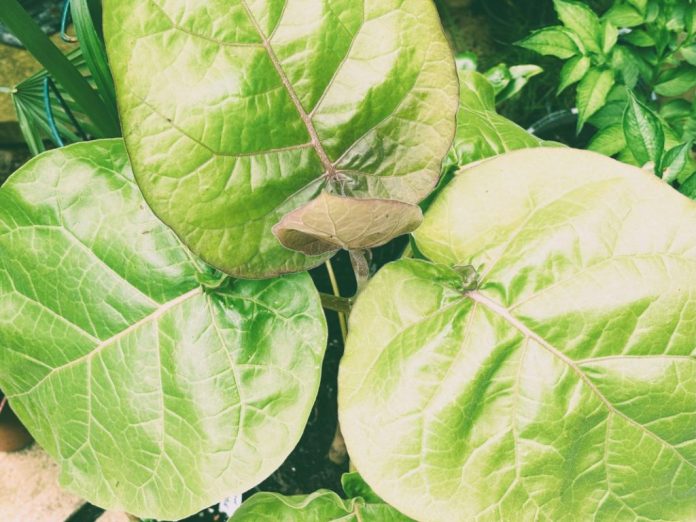
The tree tomato, also known as tamarillo (Solanum betaceum), is a small tree or shrub that produces vibrant, egg-shaped fruits. Native to the Andean regions of South America, tamarillos are prized for their tangy, flavorful fruits and attractive foliage. Growing this tropical plant in a UK garden requires careful attention to climate, soil, and care to ensure successful cultivation. Here is an overview of the history of the tree tomato, the challenges of growing it in the UK, strategies to overcome these challenges, and how to maintain it year-round, including winter care.
History of the Tree Tomato
The tree tomato originates from the Andean region, specifically in countries like Peru, Ecuador, and Colombia. Indigenous peoples of these regions have cultivated the tree tomato for centuries, enjoying its unique flavor and nutritional benefits. The plant was introduced to various parts of the world in the 20th century, gaining popularity in New Zealand, where it was rebranded as the tamarillo to distinguish it from the common tomato. Today, tamarillos are grown in various tropical and subtropical regions around the world.
Challenges of Growing Tree Tomato in the UK
Climate Incompatibility
The UK’s temperate climate poses a significant challenge for growing tree tomatoes, which thrive in warm, frost-free environments. Tamarillos prefer temperatures between 10°C and 25°C and can suffer damage or die if exposed to frost or prolonged cold.
Solution: Growing tree tomatoes in containers allows for easier relocation indoors during cold weather. Greenhouses or polytunnels can provide a more controlled environment, protecting the plants from frost and temperature fluctuations.
Excessive Rainfall and Humidity
The UK’s high rainfall and humidity can lead to waterlogged soil, root rot, and fungal diseases, which are detrimental to tree tomatoes.
Solution: Ensure well-drained soil by incorporating organic matter and sand. Raised beds can help prevent waterlogging. Good air circulation around the plants can mitigate the effects of high humidity.
Soil Quality
Tree tomatoes prefer well-drained, fertile soils with a slightly acidic to neutral pH. The heavy, clay-rich soils common in the UK can hinder growth.
Solution: Improve soil quality by adding compost and organic matter to enhance drainage and fertility. Soil testing can help maintain the optimal pH and nutrient levels for tamarillos.
Nutrient Management
Nutrient Deficiencies
Tree tomatoes require a balanced supply of nutrients, particularly nitrogen, phosphorus, and potassium. UK soils may not naturally provide all the necessary nutrients.
Solution: Use a balanced, water-soluble fertilizer to ensure adequate nutrient supply. Regular feeding during the growing season supports healthy growth and fruit production.
Pest and Disease Control
Pests
Tree tomatoes are susceptible to various pests, including aphids, whiteflies, and spider mites.
Solution: Regularly inspect plants for signs of infestation. Use insecticidal soaps or neem oil to control pest populations. Introducing beneficial insects like ladybugs can help manage pests naturally.
Diseases
Fungal diseases such as powdery mildew and blight can affect tree tomatoes, especially in the UK’s humid conditions.
Solution: Ensure good spacing between plants to promote air circulation and avoid overhead watering. Fungicides can be used preventatively, particularly during periods of high humidity.
Light and Sun Exposure
Inadequate Sunlight
Tree tomatoes require plenty of sunlight to thrive, needing at least six hours of direct sunlight daily. The UK’s often cloudy and overcast skies can limit available sunlight.
Solution: Plant tree tomatoes in the sunniest part of the garden. If natural sunlight is insufficient, consider using grow lights to supplement light during the darker months.
Growing for Foliage
Tree tomatoes are not only valued for their fruits but also for their attractive, large, and heart-shaped leaves. These can add a lush, tropical look to any garden.
Care Tips: Maintain healthy foliage by ensuring adequate watering, avoiding waterlogging, and protecting the plant from pests and diseases. Regular feeding with a balanced fertilizer will also promote lush foliage.
Overwintering Tree Tomatoes
Tree tomatoes are sensitive to frost and cannot survive the harsh winter outdoors in the UK. However, they can be successfully overwintered indoors.
Winter Care:
- Bring Indoors: As temperatures drop in autumn, move container-grown tree tomatoes indoors to a bright, frost-free location. A heated greenhouse or conservatory is ideal.
- Light and Temperature: Place the plant in a location with plenty of natural light, maintaining temperatures between 10°C and 15°C.
- Watering: Reduce watering during the winter months, keeping the soil just moist enough to prevent drying out completely. Avoid overwatering, as this can lead to root rot.
- Humidity: Maintain a moderate humidity level. If indoor air is too dry, occasional misting or using a humidity tray can help.
Conclusion
Growing tree tomatoes in a UK tropical garden presents challenges due to the country’s temperate climate, high humidity, and soil conditions. However, with the right strategies, such as using containers, improving soil drainage, managing pests and diseases, and ensuring adequate sunlight, gardeners can successfully cultivate these exotic fruits and attractive foliage. By mimicking the tree tomato’s native environment as closely as possible, UK gardeners can enjoy the unique taste and nutritional benefits of this remarkable plant. Proper winter care, including bringing the plants indoors, can ensure they thrive year-round, adding a touch of tropical charm to any UK garden.
Tree Tomato – Solanum betaceum Grow Guide
Common name: Tree Tomato, Tamarillo
Family: Solanaceae
Type: Tender perennial shrub / small tree
Hardiness: RHS H1–H2 – frost-tender; grown under glass or moved indoors in the UK
Ultimate size: 2–3 m tall × 1.5–2 m wide (smaller in containers)
Overview
The Tree Tomato is a fast-growing subtropical fruiting plant grown for its egg-shaped red, orange, or yellow fruits with a tangy, tomato-like flavour. In the UK it performs best in a large container, allowing it to be grown outdoors in summer and overwintered frost-free in a greenhouse or conservatory.
Position
- Light: Full sun
- Needs warmth and shelter from strong winds
- Ideal for greenhouses, conservatories, or sunny patios
Soil
- Type: Fertile, free-draining but moisture-retentive soil
- Use John Innes No. 3 with added compost
- pH: Neutral to slightly acidic
Planting
- When: Late spring, once all risk of frost has passed
- Grow in large, heavy pots to prevent toppling
- Stake young plants to support rapid growth
Watering
- Water regularly during the growing season
- Keep compost evenly moist, never waterlogged
- Reduce watering slightly in winter, but do not allow to dry out
Feeding
- Feed every 7–10 days during the growing season
- Use a high-potash fertiliser once flowering begins
- Heavy feeder when fruiting
Growth & Habit
- Fast-growing with large, soft, slightly hairy leaves
- Shallow root system
- Branches are brittle and need shelter and support
- Fruits develop in hanging clusters
Flowering & Fruiting
- Flowers: Spring–early summer; pale pink or white
- Fruits: Late summer–autumn
- Plants may fruit within 18–24 months from seed
Pruning
- Light pruning in spring to maintain shape
- Remove weak or crossing shoots
- Can be cut back to control size when overwintering
Overwintering
- Move indoors before temperatures drop below 5 °C
- Keep in a bright, frost-free space (5–10 °C ideal)
- Reduce feeding and watering during winter rest
Propagation
- Seed: Easy; sow in warmth (20–25 °C)
- Cuttings: Semi-ripe cuttings in summer root readily
Pests & Problems
- Aphids, whitefly, spider mites under glass
- Leaf drop if temperatures fluctuate
- Root rot if drainage is poor
Garden & Kitchen Use
- Patio and greenhouse fruit plant
- Ornamental and productive
- Fruits used in:
- Chutneys
- Sauces
- Desserts
- Fresh eating (skin removed)
Quick Reference Table
| Feature | Details |
|---|---|
| Hardiness | RHS H1–H2 |
| Height | 2–3 m |
| Spread | 1.5–2 m |
| Flowering | Spring–early summer |
| Fruiting | Late summer–autumn |
| Position | Full sun, sheltered |
| Soil | Fertile, free-draining |
| Water | Regular; evenly moist |
| Feeding | High potash every 7–10 days |
| Propagation | Seed; cuttings |
| Overwintering | Frost-free, bright |
| Best feature | Exotic edible fruits |