
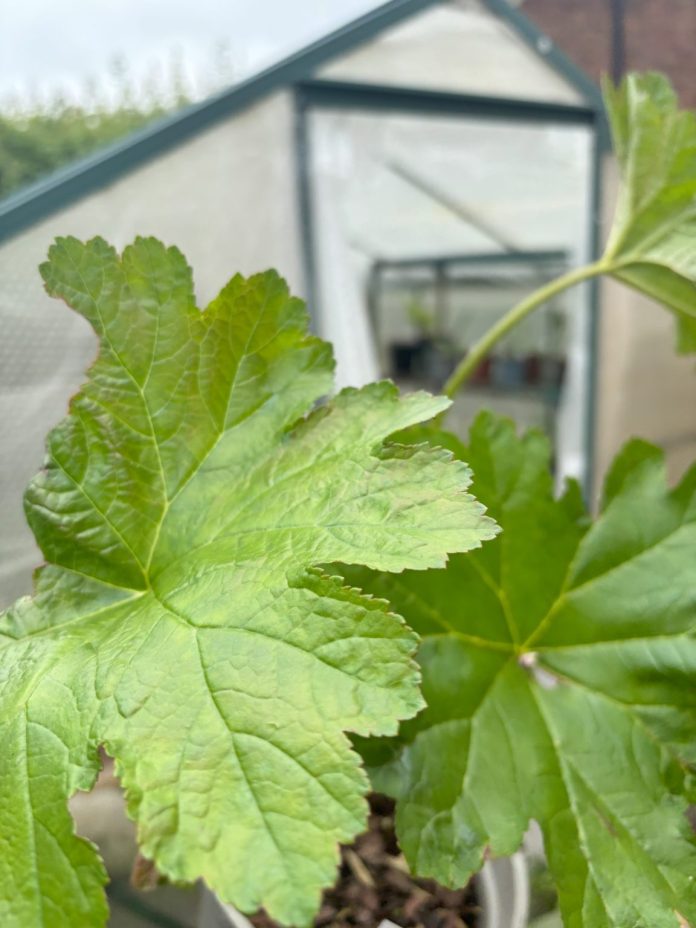
Darmera peltata, commonly known as umbrella plant or Indian rhubarb, is a stunning perennial known for its large, umbrella-like leaves and delicate pink or white flower clusters. Native to moist woodlands and stream banks in the western United States, this plant is an excellent choice for adding dramatic foliage and vibrant flowers to your garden. Here’s how to grow Darmera peltata in your garden.
Understanding Darmera peltata
Darmera peltata is part of the Saxifragaceae family and is prized for its distinctive appearance. The plant produces round, peltate leaves that can reach up to 60 cm (24 inches) in diameter, creating a bold statement in any garden. Its flowers bloom in early spring, often before the leaves fully emerge, forming attractive clusters atop tall, sturdy stems.
Choosing the Right Location
To thrive, Darmera peltata requires the following conditions:
Sunlight: This plant prefers partial to full shade. It can tolerate some morning sun, but it’s best grown in a spot that gets dappled shade throughout the day to prevent leaf scorch.
Soil: Darmera peltata thrives in moist, well-drained soil. Rich, humus-laden soil is ideal, as it retains moisture without becoming waterlogged. It’s particularly well-suited for planting near water features, in bog gardens, or along the edges of ponds and streams.
Planting Instructions
Timing: The best time to plant Darmera peltata is in early spring or autumn. This allows the plant to establish its root system before the more extreme temperatures of summer or winter.
Preparation: Prepare the planting area by loosening the soil to a depth of about 30 cm (12 inches). Mix in plenty of organic matter such as compost or well-rotted manure to improve soil fertility and drainage.
Planting: Dig a hole large enough to accommodate the plant’s root ball. Place the plant in the hole, ensuring the top of the root ball is level with the surrounding soil. Backfill with soil, firming it gently around the base. Water thoroughly after planting to help settle the soil around the roots.
Care and Maintenance
Watering: Darmera peltata requires consistent moisture, especially during dry spells. Ensure the soil remains moist but not waterlogged. Mulching around the base with organic material can help retain soil moisture and suppress weeds.
Feeding: Apply a balanced, slow-release fertilizer in spring to support healthy growth. Additional feeding during the growing season can be beneficial, particularly if the soil is not naturally rich in nutrients.
Pruning: Remove spent flower stalks after blooming to maintain a tidy appearance. In late autumn, after the foliage has died back, cut back the stems to ground level.
Pest and Disease Management: Darmera peltata is generally hardy and resistant to most pests and diseases. However, slugs and snails can sometimes be a problem, particularly with young plants. Use appropriate organic or chemical controls to manage these pests if necessary.
Overwintering
Darmera peltata is hardy and can withstand winter conditions in many regions. In colder areas, applying a layer of mulch around the base can protect the roots from freezing temperatures.
Propagation
Division: The most effective way to propagate Darmera peltata is by division. This is best done in spring or autumn. Carefully lift the plant, divide the root ball into sections, and replant immediately.
Seed: Growing from seed is possible but requires patience. Sow seeds in a cold frame in autumn or spring, keeping the soil moist until germination occurs.
Design Ideas
Darmera peltata is an excellent choice for shaded garden areas, providing a lush, tropical feel. It works well in woodland gardens, near water features, and in bog gardens. Its large leaves and delicate flowers make it a striking companion to ferns, hostas, and astilbes, adding height and texture to your garden design.
Conclusion
Growing Darmera peltata can be a rewarding experience, adding dramatic foliage and beautiful flowers to your garden. With the right care and conditions, this perennial will flourish, providing stunning displays year after year. Whether you are an experienced gardener or a novice, following these guidelines will help ensure your Darmera peltata thrives and becomes a highlight of your garden landscape.
Darmera peltata – Grow Guide
Common name: Indian Rhubarb
Family: Saxifragaceae
Type: Hardy perennial
Hardiness: RHS H5 – fully hardy in the UK
Ultimate size: 1–1.5 m tall × 1–1.2 m wide
Overview
Darmera peltata is a bold, architectural perennial native to North America, prized for its large, rounded leaves and dramatic flower stems. In early spring, it produces tall umbels of pink flowers before the foliage emerges. Its giant, umbrella-shaped leaves provide summer structure, making it ideal for shaded or pond-side borders, woodland gardens, and tropical-style plantings.
Position
- Light: Partial shade to full sun
- Performs best in sheltered positions
- Ideal for moist, woodland-style planting or pond edges
Soil
- Type: Moist, fertile, humus-rich soil
- Enrich soil with compost or leaf mould at planting
- pH: Neutral to slightly acidic
- Performs poorly in dry or poorly drained soils
Planting
- When: Spring or autumn
- Space plants 1–1.2 m apart to allow foliage to spread
- Plant crowns just below soil level
- Mulch base to retain moisture and suppress weeds
Watering
- Keep soil consistently moist, particularly during active growth
- Drought can damage foliage
- Excellent for margins of ponds or streams
Feeding
- Apply a balanced liquid fertiliser in spring as growth begins
- Optional top-dress of compost or well-rotted manure annually
Growth & Habit
- Clump-forming perennial with large, rounded, umbrella-like leaves
- Leaves emerge in late spring after early flowers
- Flower stems: tall, erect umbels of pink flowers in early spring
- Leaves die back naturally in late autumn
Flowering
- Months: March–April (UK)
- Flowers: Umbels of small pink flowers, appearing before foliage
- Early nectar source for pollinators
Maintenance
- Remove dead or damaged leaves after autumn die-back
- Mulch crowns in winter to protect against severe frost
- Clumps can be divided every 4–5 years if overcrowded
Propagation
- Division: Main method; divide crowns in spring or autumn
- Seed: Possible, but slow to flower and less commonly used
Pests & Problems
- Generally pest- and disease-free
- Slugs may occasionally damage emerging shoots
- Root rot in poorly drained soil
Garden Use
- Woodland and shaded borders
- Margins of ponds or streams
- Tropical-style planting in UK gardens
- Excellent companions:
- Gunnera manicata
- Rodgersia spp.
- Hostas
- Astilbes
Quick Reference Table
| Feature | Details |
|---|---|
| Hardiness | RHS H5 – fully hardy |
| Height | 1–1.5 m |
| Spread | 1–1.2 m |
| Flowering | March–April; pink umbels |
| Position | Partial shade to full sun; sheltered |
| Soil | Moist, fertile, humus-rich; neutral to slightly acidic |
| Water | Keep consistently moist; ideal for pond edges |
| Feeding | Balanced liquid fertiliser in spring; compost top-dress optional |
| Propagation | Division (main); seed (slow) |
| Maintenance | Remove dead foliage; mulch in winter; divide every 4–5 years |
| Best feature | Early pink umbels and large, umbrella-like foliage |