
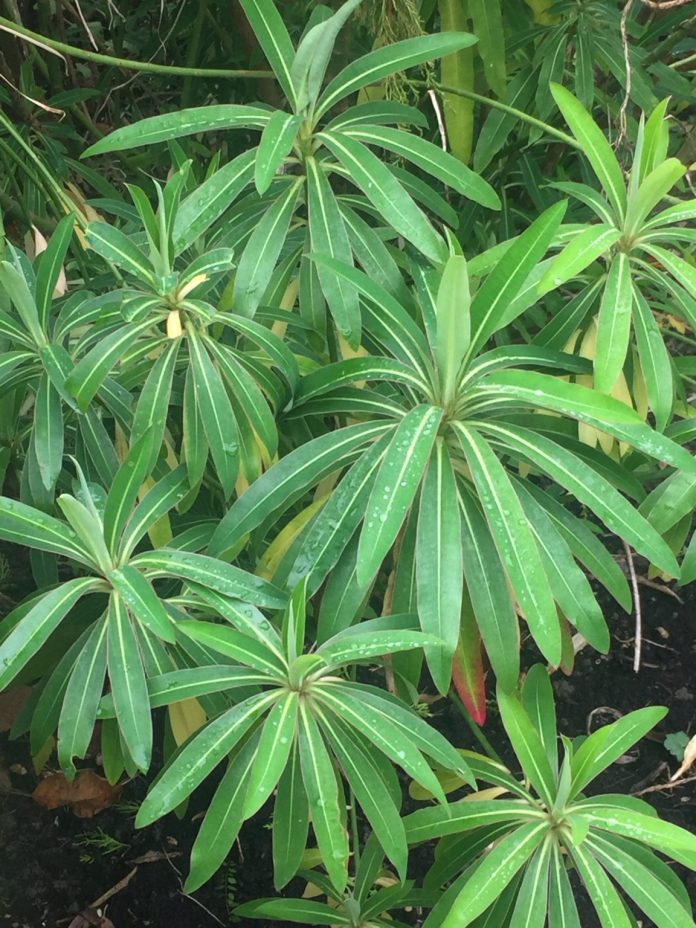
Euphorbia mellifera, commonly known as honey spurge, is a versatile and attractive evergreen shrub known for its honey-scented flowers and striking foliage. Native to the Canary Islands, this plant is a great addition to gardens seeking a blend of structural form and vibrant blooms. Here’s a detailed guide on how to grow Euphorbia mellifera in your garden.
Understanding Euphorbia mellifera
Euphorbia mellifera is a medium to large shrub, typically reaching heights of 4-6 feet (1.2-1.8 meters) and spreading up to 6-8 feet (1.8-2.4 meters). It features lance-shaped leaves that are glossy green with a hint of red when young. The flowers, which appear in late spring to early summer, are small, honey-scented, and grouped in clusters that attract pollinators.
Ideal Growing Conditions
- Climate and Hardiness:
Euphorbia mellifera thrives in USDA hardiness zones 9-11. It prefers a mild, Mediterranean climate but can tolerate occasional frost once established. - Sunlight:
This plant loves full sun but can tolerate partial shade. Ensure it receives at least 6 hours of direct sunlight for optimal growth and flowering. - Soil:
Well-drained soil is crucial. Euphorbia mellifera prefers sandy or loamy soil with a neutral to slightly alkaline pH. Good drainage helps prevent root rot, a common issue with this plant. - Watering:
While relatively drought-tolerant once established, regular watering is essential during the first growing season. Water deeply but infrequently, allowing the soil to dry out between waterings.
Planting Euphorbia mellifera
- Site Selection:
Choose a sunny spot with well-drained soil. Avoid areas prone to waterlogging. - Planting Process:
- Dig a hole twice the width of the root ball and slightly deeper.
- Mix the extracted soil with compost to improve fertility and drainage.
- Place the plant in the hole, ensuring the top of the root ball is level with the surrounding soil.
- Backfill with the amended soil, firming it gently around the base.
- Water thoroughly to settle the soil and eliminate air pockets.
Care and Maintenance
- Mulching:
Apply a layer of mulch around the base to conserve moisture, suppress weeds, and maintain a stable soil temperature. - Fertilization:
Feed Euphorbia mellifera with a balanced, slow-release fertilizer in early spring to encourage vigorous growth and abundant flowering. Avoid excessive feeding, as this can lead to leggy growth. - Pruning:
Prune after flowering to maintain shape and encourage bushier growth. Remove any dead, damaged, or diseased stems promptly. Wear gloves when pruning, as the milky sap can cause skin irritation. - Pest and Disease Management:
Euphorbia mellifera is relatively pest-free. However, watch for aphids and spider mites, which can be controlled with insecticidal soap. Ensure good air circulation around the plant to prevent fungal diseases.
Propagation
- Seed Propagation:
- Collect seeds from mature plants and sow them in a well-draining seed mix.
- Cover lightly with soil and keep moist until germination, which can take several weeks.
- Cuttings:
- Take semi-hardwood cuttings in late summer.
- Dip the cut end in rooting hormone and plant in a pot filled with a well-draining mix.
- Keep the cuttings in a sheltered area with high humidity until roots develop.
Landscaping Uses
Euphorbia mellifera is excellent for adding structure and fragrance to garden beds and borders. Its architectural form makes it a striking focal point in Mediterranean and xeriscape gardens. Pair it with other drought-tolerant plants like lavender, rosemary, and ornamental grasses for a cohesive look.
Cautions
All parts of Euphorbia mellifera contain a milky sap that can cause skin irritation and is toxic if ingested. Handle with care and keep away from pets and children.
Conclusion
Euphorbia mellifera, with its fragrant blooms and evergreen foliage, is a rewarding plant for gardeners willing to provide the right conditions and care. By following the guidelines outlined above, you can enjoy the beauty and resilience of this striking shrub in your garden for years to come.
Euphorbia mellifera – Grow Guide
Common name: Canary Island Spurge
Family: Euphorbiaceae
Type: Evergreen shrub / small tree
Hardiness: RHS H4 – hardy in mild to sheltered UK gardens; protect from severe frost
Ultimate size: 3–5 m tall × 2–4 m wide
Overview
Euphorbia mellifera is an evergreen, architectural shrub from the Canary Islands, valued for its large, glossy, dark green leaves and honey-scented chartreuse-yellow flowers in late winter to spring. Its bold habit and drought tolerance make it ideal for Mediterranean, tropical-style, or sheltered coastal gardens.
Position
- Light: Full sun to partial shade
- Prefers a sheltered position from cold winds and frost
- Performs well in mild coastal gardens
Soil
- Type: Well-draining soil, sandy or loamy
- Enrich with compost or grit for best establishment
- pH: Neutral to slightly alkaline
Planting
- When: Spring or autumn
- Space plants 2–3 m apart for full-grown shrubs
- Mulch around base to retain moisture and suppress weeds
Watering
- Moderate watering during establishment
- Once established, drought-tolerant
- Avoid waterlogged conditions, which can cause root rot
Feeding
- Apply a balanced fertiliser in spring
- Organic compost top dressing encourages strong foliage and flowering
Growth & Habit
- Upright, bushy evergreen shrub
- Glossy, leathery leaves up to 20 cm long
- Honey-scented flowers on erect stems in late winter–early spring
- Architectural habit provides year-round interest
Flowering
- Months: February–April (UK)
- Flowers: Greenish-yellow, nectar-rich, fragrant
- Attracts pollinators such as bees and hoverflies
Maintenance
- Prune lightly after flowering to maintain shape
- Remove dead or damaged stems
- Protect young plants from frost during the first 2–3 winters
Propagation
- Semi-hardwood cuttings: Summer, root in warm, humid conditions
- Seed: Slow and less commonly used
- Take care: Milky sap is toxic and irritant
Pests & Problems
- Generally pest-free in the UK
- Occasional aphids on new growth
- Root rot in poorly drained soils
- Toxic sap can irritate skin or eyes
Garden Use
- Tropical-style, Mediterranean, or coastal borders
- Architectural shrub for sheltered sunny areas
- Works well with:
- Phormium
- Cordyline
- Echium
- Cistus
Quick Reference Table
| Feature | Details |
|---|---|
| Hardiness | RHS H4 – hardy in mild/sheltered UK gardens |
| Height | 3–5 m |
| Spread | 2–4 m |
| Flowering | Feb–Apr; greenish-yellow, fragrant flowers |
| Position | Full sun to partial shade; sheltered |
| Soil | Well-draining, sandy or loamy; neutral to slightly alkaline |
| Water | Moderate during establishment; drought-tolerant once established |
| Feeding | Balanced fertiliser in spring; compost top dress |
| Propagation | Semi-hardwood cuttings; seed (slow) |
| Maintenance | Light pruning after flowering; remove damaged stems; protect young plants |
| Best feature | Architectural evergreen foliage with honey-scented flowers |