
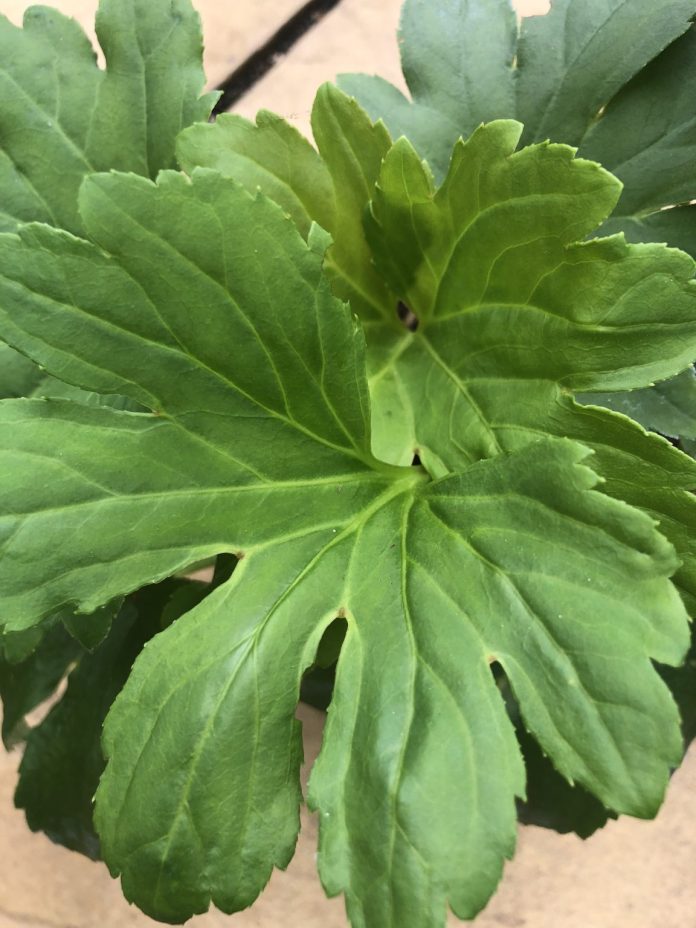
In the realm of gardening, few experiences rival the joy of nurturing a plant that thrives with vigor and grace. Among the plethora of botanical wonders that grace our landscapes, Mukdenia rossii ‘Karasuba’ stands out as a beacon of elegance and resilience. With its striking foliage and delicate flowers, this enchanting perennial captivates the hearts of gardeners worldwide. If you’re eager to cultivate this botanical gem in your own garden, allow us to illuminate the path on how to grow Mukdenia rossii ‘Karasuba‘
Introducing Mukdenia rossii ‘Karasuba’:
Mukdenia rossii, commonly known as the Asian rockfoil, hails from the woodlands and slopes of China, Korea, and Japan. ‘Karasuba,’ a cultivar prized for its deep red foliage, adds a dramatic flair to the species’ inherent charm. Its vibrant leaves, reminiscent of autumn’s fiery hues, emerge in spring, providing a striking contrast against the verdant backdrop of the garden. Come springtime, delicate clusters of white or pale pink flowers dance atop slender stems, further enhancing its allure.
Ideal Growing Conditions:
For Mukdenia rossii ‘Karasuba’ to flourish, it’s crucial to replicate its natural habitat as closely as possible. Here are the key considerations:
- Sunlight: While ‘Karasuba’ tolerates partial shade, it thrives in dappled sunlight or morning sun with afternoon shade. Excessive exposure to intense sunlight may scorch its leaves, necessitating protection during the hottest hours of the day.
- Soil: Well-draining, humus-rich soil with a slightly acidic to neutral pH serves as the ideal growing medium for ‘Karasuba.’ Ensure good drainage to prevent waterlogging, which can lead to root rot.
- Moisture: Though moderately drought-tolerant once established, ‘Karasuba’ prefers consistently moist soil. Regular watering, especially during dry spells, is essential to support its growth and maintain its vibrant foliage.
- Temperature: Hardy in USDA zones 4-8, Mukdenia rossii ‘Karasuba’ appreciates cool temperatures and is well-suited to temperate climates. Mulching around the base of the plant helps regulate soil temperature and retain moisture, particularly in regions with hot summers.
Planting and Maintenance:
Now that you’ve selected the perfect spot for your ‘Karasuba,’ follow these guidelines to ensure its successful establishment and continued well-being:
- Planting: Spring or fall constitutes the optimal planting seasons for Mukdenia rossii ‘Karasuba.’ Dig a hole slightly larger than the root ball and incorporate organic matter into the soil to enrich its fertility. Space multiple plants approximately 12-18 inches apart to allow for adequate air circulation and future growth.
- Watering: During the initial establishment period, maintain consistent moisture levels to facilitate root development. Once ‘Karasuba’ is established, monitor soil moisture regularly and water deeply when necessary, aiming to keep the soil consistently moist but not waterlogged.
- Fertilization: While ‘Karasuba’ isn’t particularly heavy feeder, an annual application of a balanced, slow-release fertilizer in spring can promote robust growth and vibrant foliage. Avoid excessive nitrogen, as it may stimulate excessive foliage at the expense of flowering.
- Pruning: Minimal pruning is required for Mukdenia rossii ‘Karasuba.’ Remove any dead or damaged foliage as needed, and trim spent flower stalks to encourage tidy growth and potential reblooming.
- Winter Care: In colder climates, apply a layer of mulch around the base of the plant in late fall to insulate the roots and protect them from frost heaving. Mulching also helps conserve soil moisture and suppresses weed growth during the dormant season.
Pest and Disease Management:
Mukdenia rossii ‘Karasuba’ is relatively pest and disease-resistant, but vigilance is key to preventing potential issues. Keep an eye out for common garden pests such as aphids, slugs, and snails, particularly during periods of high humidity. Promptly address any signs of infestation with environmentally friendly control methods to minimize damage.
The Rewards of Cultivation:
As Mukdenia rossii ‘Karasuba’ graces your garden with its ethereal beauty, you’ll soon discover the myriad rewards of its cultivation. From its captivating foliage that evolves with the seasons to the delicate blooms that herald the arrival of spring, ‘Karasuba’ infuses your outdoor sanctuary with timeless elegance and charm. With proper care and a touch of patience, this botanical treasure will flourish, enriching your landscape and nurturing your soul for years to come.
Mukdenia rossii ‘Karasuba’ – Grow Guide
Common name: Mukdenia, Karasuba
Family: Saxifragaceae
Type: Hardy perennial
Hardiness: RHS H5 – fully hardy in the UK
Ultimate size: 25–40 cm tall × 30–40 cm wide
Overview
Mukdenia rossii ‘Karasuba’ is a low-growing, clump-forming perennial prized for its architectural foliage and brilliant autumn colour. In spring, it produces small, delicate white flowers on short stalks, while the lobed leaves turn bright red and orange in autumn, making it a standout in woodland, rockery, or shaded borders.
Position
- Light: Partial to full shade
- Avoid full afternoon sun, which can scorch leaves
- Performs well under trees, shrubs, or in sheltered woodland gardens
Soil
- Type: Moist, fertile, well-draining soil
- Enrich with leaf mould or compost for best growth
- pH: Neutral to slightly acidic
Planting
- When: Spring or autumn
- Space plants 25–40 cm apart to allow clumps to form
- Ideal for rockeries, woodland borders, or shaded containers
- Mulch base to conserve moisture and suppress weeds
Watering
- Keep soil consistently moist, especially during establishment
- Reduce watering slightly in winter once dormant
- Avoid waterlogged conditions
Feeding
- Apply a balanced liquid fertiliser in spring
- Top dress with compost annually to maintain soil fertility
Growth & Habit
- Forms dense clumps of lobed, palmate leaves
- Leaves have fine hairs along the stems and veins
- Slow to medium growth rate
- Dies back naturally in winter, leaving rhizomes dormant
Flowering
- Months: April–May (UK)
- Flowers: Small, star-shaped, white flowers borne above foliage on short stems
- Attracts bees and other pollinators
- Foliage is the main ornamental feature throughout the year
Maintenance
- Remove dead or damaged leaves to keep clumps tidy
- Mulch in winter to protect roots from severe frost
- Divide clumps every 4–5 years to maintain vigour
Propagation
- Division: Main method; divide clumps in early spring or autumn
- Seed: Possible but slow and less commonly used
Pests & Problems
- Generally pest- and disease-free
- Slugs may occasionally damage young shoots
- Root rot in poorly drained soil
Garden Use
- Shaded or woodland-style borders
- Rockeries, alpine gardens, or container planting
- Excellent companion plants:
- Hostas
- Ferns
- Heuchera
- Pulmonaria
Quick Reference Table
| Feature | Details |
|---|---|
| Hardiness | RHS H5 – fully hardy |
| Height | 25–40 cm |
| Spread | 30–40 cm |
| Flowering | April–May; small white flowers |
| Position | Partial to full shade |
| Soil | Moist, fertile, well-draining; neutral to slightly acidic |
| Water | Keep evenly moist; avoid waterlogging |
| Feeding | Balanced liquid fertiliser in spring; compost top-dress annually |
| Propagation | Division (main); seed (slow) |
| Maintenance | Remove damaged leaves; mulch in winter; divide every 4–5 years |
| Best feature | Lobed foliage with brilliant autumn colour and architectural habit |