
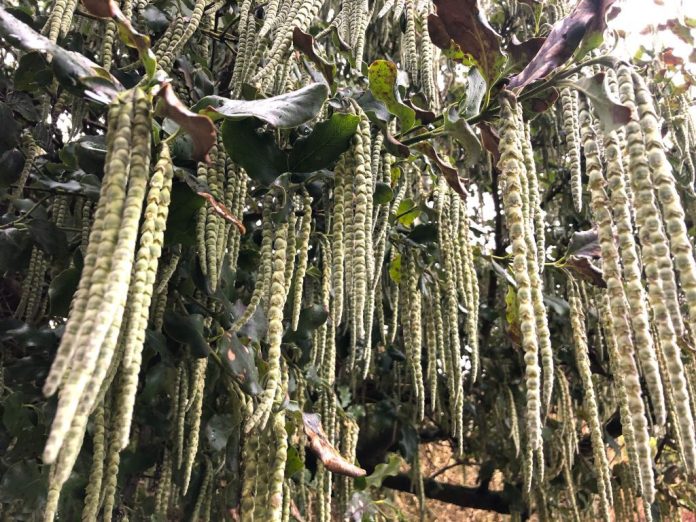
Garrya elliptica, commonly known as the Silk Tassel Bush, is a versatile and elegant shrub that thrives in the temperate climate of the United Kingdom. With its distinctive tassel-like flowers and evergreen foliage, Garrya elliptica adds a touch of sophistication to gardens and landscapes. If you’re thinking of Cultivating Garrya elliptica in the UK, here’s a comprehensive guide to help you achieve success.
Selecting the Right Location
Before diving into the cultivation process, it’s crucial to choose an appropriate location for your Garrya elliptica. These shrubs prefer well-drained soil and thrive in full to partial sunlight. Planting in a sheltered spot can protect the Silk Tassel Bush from harsh winds, ensuring optimal growth and flower development.
Soil Preparation
Prepare the soil by incorporating organic matter such as well-rotted compost or manure. Garrya elliptica prefers slightly acidic to neutral soil, so amend the soil accordingly. Ensure proper drainage to prevent waterlogging, which can be detrimental to the plant’s health.
Planting Garrya elliptica
Plant Garrya elliptica in the spring or early autumn when the soil is moist and temperatures are moderate. Dig a hole that is slightly larger than the plant’s root ball and position the shrub at the same depth it was in the nursery container. Backfill the hole with soil, gently firming it around the roots. Water thoroughly after planting to help the shrub establish itself.
Watering and Maintenance
Once established, Garrya elliptica is relatively low-maintenance. Water the plant regularly, especially during dry spells, to keep the soil consistently moist. However, it’s essential to avoid waterlogged conditions. Mulching around the base of the shrub helps retain moisture and suppress weeds.
Pruning
Pruning Garrya elliptica is essential to maintain its shape and encourage prolific flowering. The best time to prune is in late spring or early summer after the plant has finished flowering. Remove any dead or damaged branches and cut back the current year’s growth to encourage the development of new flowering shoots.
Fertilizing
Garrya elliptica generally doesn’t require heavy fertilization. Applying a balanced, slow-release fertilizer in spring can provide the necessary nutrients for healthy growth. Avoid excessive use of nitrogen, as it may result in lush foliage at the expense of flower production.
Dealing with Pests and Diseases
Silk Tassel Bushes are relatively resistant to pests and diseases. However, it’s essential to monitor for common issues such as aphids or scale insects. If infestations occur, treat them promptly with insecticidal soap or neem oil. Proper sanitation and good airflow around the plant can help prevent the development of diseases.
Conclusion
Cultivating Garrya elliptica in the UK can be a rewarding experience, bringing a touch of elegance to your garden throughout the year. By selecting the right location, preparing the soil, and providing proper care, you can enjoy the unique beauty of the Silk Tassel Bush for years to come. Whether used as a focal point in your landscape or as part of a mixed border, Garrya elliptica is sure to capture attention with its distinctive foliage and intriguing tassel-like flowers.
Garrya elliptica – Grow Guide
Common name: Silk Tassel, Coastal Silk Tassel
Family: Garryaceae
Type: Evergreen shrub
Hardiness: RHS H4 – hardy in most of the UK, including coastal sites
Ultimate size: 3–6 m tall × 2–4 m wide
Overview
Garrya elliptica is an evergreen shrub with glossy, elliptical leaves and spectacular silvery-grey catkin flowers that appear in winter, adding structure and colour when most plants are dormant. Male and female flowers are on separate plants, but only males produce the long, ornamental tassels. Ideal for coastal gardens, sheltered borders, and tropical-style planting.
Position
- Light: Full sun to partial shade
- Sheltered from strong winds for best flowering
- Performs well on coastal sites due to salt tolerance
Soil
- Type: Well-draining soil, tolerant of a wide range of types
- Enrich with compost at planting for best establishment
- pH: Neutral to slightly acidic
Planting
- When: Spring or autumn
- Space plants 2–4 m apart for hedges or specimen shrubs
- Plant male and female specimens close together if fruit is desired
Watering
- Water regularly during establishment
- Once established, moderately drought-tolerant
- Avoid waterlogged soil
Feeding
- Apply a general-purpose fertiliser in spring
- Mulch to conserve moisture and improve soil fertility
Growth & Habit
- Upright, dense, evergreen shrub
- Slow to medium growth rate
- Long-lived, hardy, and architectural
- Responds well to light pruning to maintain shape
Flowering
- Months: December–February (UK)
- Flowers: Silvery-grey catkins 10–25 cm long on male plants
- Female plants produce small red berries, often ornamental for birds
Maintenance
- Prune lightly after flowering to shape or remove old wood
- Mulch and water newly planted shrubs for first 2–3 years
- Low-maintenance once established
Propagation
- Semi-hardwood cuttings: Summer, root in warm, humid conditions
- Seed: Slow-growing and less commonly used
Pests & Problems
- Very few pest issues
- Susceptible to scale insects in glasshouse conditions
- Leaf scorch may occur in exposed, dry, sunny sites
Garden Use
- Coastal and sheltered gardens
- Evergreen winter interest with catkin display
- Specimen shrub, hedge, or tropical-style border
- Pairs well with:
- Phormium
- Cordyline
- Hebe
- Gunnera
Quick Reference Table
| Feature | Details |
|---|---|
| Hardiness | RHS H4 – hardy, including coastal |
| Height | 3–6 m |
| Spread | 2–4 m |
| Flowering | December–February; male catkins 10–25 cm |
| Position | Full sun to partial shade; sheltered |
| Soil | Well-draining; neutral to slightly acidic |
| Water | Regular while establishing; drought-tolerant once mature |
| Feeding | General-purpose fertiliser; mulch optional |
| Propagation | Semi-hardwood cuttings; seed (slow) |
| Maintenance | Light pruning after flowering |
| Best feature | Silvery catkins in winter and glossy evergreen foliage |