
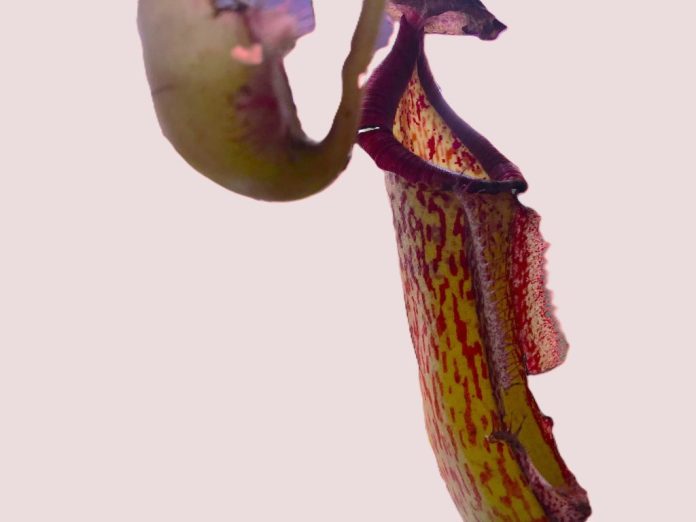
Nepenthes miranda, commonly known as the Miranda Pitcher Plant, is a captivating and unique carnivorous plant that enthralls enthusiasts with its intricate pitcher traps. Native to the rainforests of Borneo, this species has become a popular choice among plant enthusiasts for its stunning appearance and relatively manageable care requirements. In this guide, we will explore the essential steps to successfully cultivate Nepenthes miranda and create an environment that mimics its natural habitat.
Before delving into cultivation, it’s crucial to understand the natural habitat of Nepenthes miranda. Typically found in the highland rainforests of Borneo, these plants thrive in a humid and warm environment with dappled sunlight. The miranda species is characterized by its distinctively shaped pitchers, adorned with vibrant colors and intricate patterns.
Choosing the Right Growing Medium:
Nepenthes miranda prefers a well-draining, acidic growing medium that mimics the conditions of its native environment. A mix of sphagnum moss, perlite, and orchid bark is often recommended. This blend allows for proper aeration while maintaining the required acidity.
Optimal Light Conditions:
In their natural habitat, Nepenthes miranda receives filtered sunlight. When cultivating these plants at home, provide bright, indirect light. A windowsill with filtered sunlight or artificial grow lights with the appropriate spectrum can be used to ensure the plant receives adequate light without the risk of scorching.
Maintaining Humidity:
High humidity is essential for Nepenthes miranda. Maintain humidity levels between 50-70% by using a humidity tray, placing a humidifier nearby, or grouping plants together. This is especially crucial for those living in drier climates.
Watering:
Nepenthes miranda is sensitive to the type of water it receives. Use distilled or rainwater to keep the soil consistently moist. Avoid allowing the soil to dry out completely, but also prevent waterlogging, as this can lead to root rot. Watering frequency will depend on factors such as temperature, humidity, and the size of the pot.
Temperature Requirements:
These pitcher plants thrive in cooler temperatures compared to other Nepenthes species. Daytime temperatures between 75-85°F (24-29°C) and nighttime temperatures between 55-65°F (13-18°C) are ideal for Nepenthes miranda. Provide a temperature drop at night to simulate their natural habitat.
Feeding:
Nepenthes miranda is a carnivorous plant that supplements its nutrient intake through the capture of insects in its pitcher traps. While it can derive some nutrients from the soil, occasional feeding with insects or other appropriate prey can enhance its growth. Avoid overfeeding, as this can lead to the accumulation of excess nutrients.
Pruning and Maintenance:
Regularly remove any dead or withered pitchers to encourage the plant to produce new ones. Pruning can also help maintain the plant’s shape and prevent overcrowding.
Repotting:
Nepenthes miranda should be repotted every 1-2 years or when the growing medium begins to break down. Choose a pot that allows for sufficient drainage and use fresh, well-aerated growing medium.
Pest Control:
Keep an eye out for pests such as spider mites or aphids. Insecticidal soap or neem oil can be used to address pest issues without harming the plant.
Conclusion:
Cultivating Nepenthes miranda can be a rewarding experience for plant enthusiasts. By creating a suitable environment that mimics its natural habitat, providing the right growing medium, light, and humidity, enthusiasts can enjoy the unique beauty and predatory nature of this captivating pitcher plant. With proper care and attention, Nepenthes miranda can thrive, showcasing its intricate pitchers and adding a touch of exotic charm to any plant collection.
Nepenthes ‘Miranda’ – Grow Guide
Common name: Pitcher Plant (Tropical Carnivorous)
Family: Nepenthaceae
Type: Tropical pitcher plant, vining perennial
Hardiness: RHS H3–H4 – frost-tender; grow under glass or in a heated greenhouse in the UK
Ultimate size: Vine up to 2–3 m long; pitchers 15–20 cm
Overview
Nepenthes ‘Miranda’ is a hybrid tropical pitcher plant prized for its large, colourful, upright pitchers that trap insects. It is a fast-growing, vining carnivorous plant, perfect for tropical-style displays, hanging baskets, or conservatory cultivation. The plant produces striking green-and-red pitchers year-round under optimal conditions.
Position
- Light: Bright, indirect light; some morning sun tolerated
- Avoid harsh midday sun to prevent scorching
- Needs high humidity and good air circulation
- Sheltered from cold draughts and frost
Soil
- Type: Low-nutrient, acidic, well-draining mix
- Recommended mix: 50% sphagnum moss, 30% perlite, 20% orchid bark
- Avoid garden soil or compost; Nepenthes are sensitive to nutrients
Planting
- When: Year-round in greenhouse or conservatory; avoid frost outdoors
- Can be grown in containers or hanging baskets
- Ensure good drainage and no standing water
Watering
- Keep soil consistently moist but not waterlogged
- Use rainwater, distilled, or reverse-osmosis water
- Mist frequently to maintain high humidity (60–80%)
Feeding
- Carnivorous plants feed naturally on trapped insects
- Optional: small insects or diluted orchid fertiliser applied to soil every 4–6 weeks
- Avoid regular garden fertilisers; toxic to pitchers
Growth & Habit
- Fast-growing vining perennial
- Produces long stems with alternate leaves, each ending in a pitcher
- Pitchers trap insects and provide nutrients to the plant
- Can be trained on a trellis, moss pole, or allowed to trail
Flowering
- Rare in cultivation; small, inconspicuous flowers
- Mainly grown for ornamental pitchers
Maintenance
- Remove dead or shrivelled pitchers to maintain appearance
- Prune older vines to encourage branching and new growth
- Provide support for climbing stems
- Maintain high humidity and temperature for optimal pitcher development
Propagation
- Stem cuttings: Main method; root in humid, warm conditions
- Seed propagation possible but slow and tricky
Pests & Problems
- Aphids, mealybugs, and spider mites in greenhouse conditions
- Rot if roots or base of plant are waterlogged
- Pitchers may fail to form if light, humidity, or temperature is insufficient
Garden & Container Use
- Conservatories, greenhouses, or tropical-themed displays
- Hanging baskets or climbing over trellises indoors
- Excellent for tropical collections with orchids, bromeliads, and ferns
Quick Reference Table
| Feature | Details |
|---|---|
| Hardiness | RHS H3–H4 – frost-tender |
| Height | Vine up to 2–3 m |
| Pitcher size | 15–20 cm |
| Position | Bright, indirect light; sheltered; humid |
| Soil | Low-nutrient, acidic, well-draining mix (sphagnum moss + perlite + bark) |
| Water | Keep moist; rainwater or distilled |
| Feeding | Trapped insects or occasional dilute orchid feed |
| Propagation | Stem cuttings (main); seed (slow) |
| Maintenance | Remove dead pitchers, prune old vines, maintain humidity |
| Best feature | Large, colourful carnivorous pitchers |