
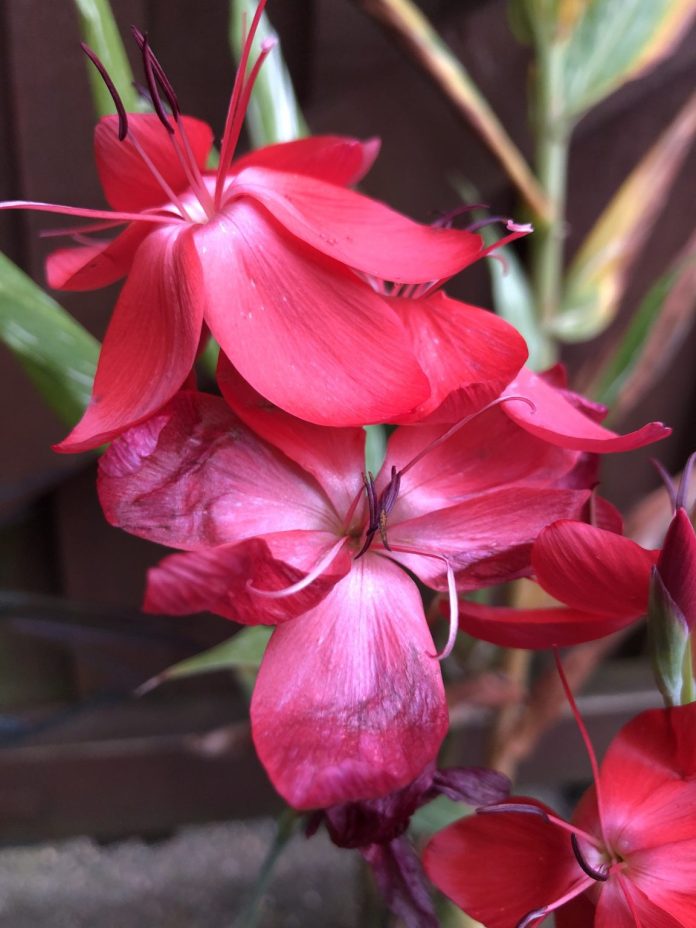
Hesperantha is a genus of flowering plants in the family Iridaceae, commonly known as “river lilies” or “kaffir lilies.” These plants are native to southern Africa and are known for their attractive, star-shaped flowers. Here are some key points on how to grow Hesperantha
Taxonomy:
- Hesperantha belongs to the family Iridaceae, which also includes other well-known plants like iris and crocus.
- The genus includes several species, and taxonomists have occasionally reclassified some of them.
Distribution:
- Native to southern Africa, Hesperantha species can be found in a variety of habitats, including grasslands, marshes, and along riverbanks.
- Some species may also be cultivated in gardens outside their native range.
Flowers:
- The most distinctive feature of Hesperantha is its flowers. They are typically six-petaled and star-shaped, with a wide range of colors including white, pink, red, and purple.
- Flowering usually occurs in late summer to early autumn, depending on the species and local climate.
Cultivation:
- Many Hesperantha species are popular ornamental plants, especially in garden settings.
- They are valued for their vibrant flowers and ability to add color to gardens in late summer and early autumn.
- Hesperantha species generally prefer well-drained soil and full sun to partial shade.
Common Species:
Several Hesperantha species are cultivated for their attractive flowers and adaptability to garden settings. While individual preferences may vary, here are some Hesperantha species that are often appreciated for their ornamental value:
- Hesperantha coccinea:
- Shizostylis major is now commonly classified as Hesperantha coccinea.
- Known for its vibrant red or pink flowers.
- Blooms in late summer to early autumn.
- Well-suited for garden borders.
- Hesperantha vaginata:
- Recognized for its showy blooms.
- Flowers in various colors, including pink and purple.
- Adds color to gardens and landscapes.
- Hesperantha falcata:
- Features attractive, star-shaped flowers.
- Typically blooms in late summer.
- Suitable for garden beds or mixed borders.
- Hesperantha humilis:
- Compact species with delicate flowers.
- Flowers in shades of pink and purple.
- Ideal for smaller garden spaces or containers.
- Hesperantha grandiflora:
- Larger flowers compared to some other species.
- Blooms in late summer.
- Adds a bold and colorful presence to gardens.
- Hesperantha pauciflora:
- Characterized by its slender stems and elegant flowers.
- Blooms in various colors, including white and pink.
- Well-suited for rock gardens or naturalized settings.
- Hesperantha bachmannii:
- Features clusters of tubular, star-like flowers.
- Flowers in shades of pink and white.
- Adds a graceful touch to garden borders.
- Hesperantha cinnabarina:
- Known for its distinctive, cinnabar-red flowers.
- Blooms in late summer.
- A striking choice for adding bold color to the garden.
When selecting a Hesperantha species for your garden, consider factors such as climate, soil conditions, and available space. Additionally, local nurseries or botanical gardens may provide valuable insights into which varieties are well-suited for your specific region. Keep in mind that preferences for certain types of Hesperantha may vary based on personal taste and the overall design of your garden or landscape.
Growing Conditions:
- Hesperantha species are generally hardy and adaptable, but specific growing conditions may vary depending on the species.
- They are often planted in borders, rock gardens, or near water features.
Maintenance:
- Regular watering is beneficial, especially during the growing season, but well-draining soil is essential to prevent waterlogged conditions.
- Deadheading spent flowers can encourage prolonged blooming.
Propagation:
- Hesperantha can be propagated through division of clumps in spring or fall.
- Seeds can also be collected and sown, but this method may take longer to produce flowering plants.
Disease and Pests:
- These plants are generally not highly susceptible to pests or diseases if grown in suitable conditions.
Uses:
- Hesperantha species are mainly grown for ornamental purposes in gardens and landscapes.
- They can be used in cut flower arrangements due to their attractive and long-lasting blooms
Hesperantha – Grow Guide
Common name: River Lily, African Corn Lily
Family: Iridaceae
Type: Tender or semi-hardy bulbous perennial
Hardiness: RHS H3–H4, depending on species – frost-tender in colder areas; hardy species can overwinter in well-drained soil
Ultimate size: 30–60 cm tall × 15–30 cm wide
Overview
Hesperantha is a South African genus of bulbous plants producing graceful spikes of funnel-shaped flowers, often pink, red, or white. Flowers are summer to autumn and are excellent for tropical-style borders, containers, and pond-side planting. They are valued for long-lasting blooms and elegant vertical form.
Position
- Light: Full sun to light partial shade
- Best flowering occurs in full sun
- Needs a sheltered, warm spot in the UK
Soil
- Type: Fertile, moist but well-draining soil
- Mix with sand or grit for bulbs grown in the ground
- pH: Neutral to slightly acidic
Planting
- When: Plant bulbs in spring after last frost (April–May)
- Depth: 5–7 cm deep
- Spacing: 10–15 cm apart for clumps
- Suitable for borders, containers, or pond edges
Watering
- Keep soil evenly moist during active growth and flowering
- Reduce watering as foliage dies back in winter for dormant bulbs
- Avoid waterlogging, which can rot bulbs
Feeding
- Apply a liquid fertiliser every 2–3 weeks during growth and flowering
- Optional slow-release fertiliser at planting
Growth & Habit
- Upright, clump-forming bulbs
- Slender, arching leaves 15–30 cm long
- Flower spikes rise above the foliage, producing multiple blooms
- Dies back naturally after flowering
Flowering
- Months: July–October (UK) depending on species
- Flowers: Funnel-shaped, pink, red, or white; borne on slender spikes
- Long-lasting and attractive to bees and butterflies
Maintenance
- Remove spent flowers to maintain appearance
- Lift tender species in autumn for overwintering in frost-prone areas
- Mulch hardy species for extra protection
- Divide bulbs every 3–4 years to maintain vigour
Propagation
- Bulb offsets: Main method; separate in spring or autumn
- Seed: Possible but slower; flowers may take 2–3 years to appear
Pests & Problems
- Generally pest-free
- Slugs and snails can damage young shoots
- Bulb rot if soil is poorly drained
Garden & Container Use
- Borders and tropical-style planting
- Pond-side plantings (moist soil)
- Containers and patio pots for summer colour
- Excellent with:
- Crocosmia
- Hedychium
- Colocasia
- Cannas
Quick Reference Table
| Feature | Details |
|---|---|
| Hardiness | RHS H3–H4 (species-dependent) |
| Height | 30–60 cm |
| Spread | 15–30 cm |
| Flowering | July–October |
| Position | Full sun to light shade; sheltered |
| Soil | Moist, fertile, well-draining; neutral to slightly acidic |
| Water | Keep evenly moist |
| Feeding | Liquid feed every 2–3 weeks; slow-release optional |
| Propagation | Bulb offsets; seed (slow) |
| Maintenance | Lift tender bulbs for winter; divide every 3–4 years |
| Best feature | Graceful spikes of funnel-shaped flowers |