
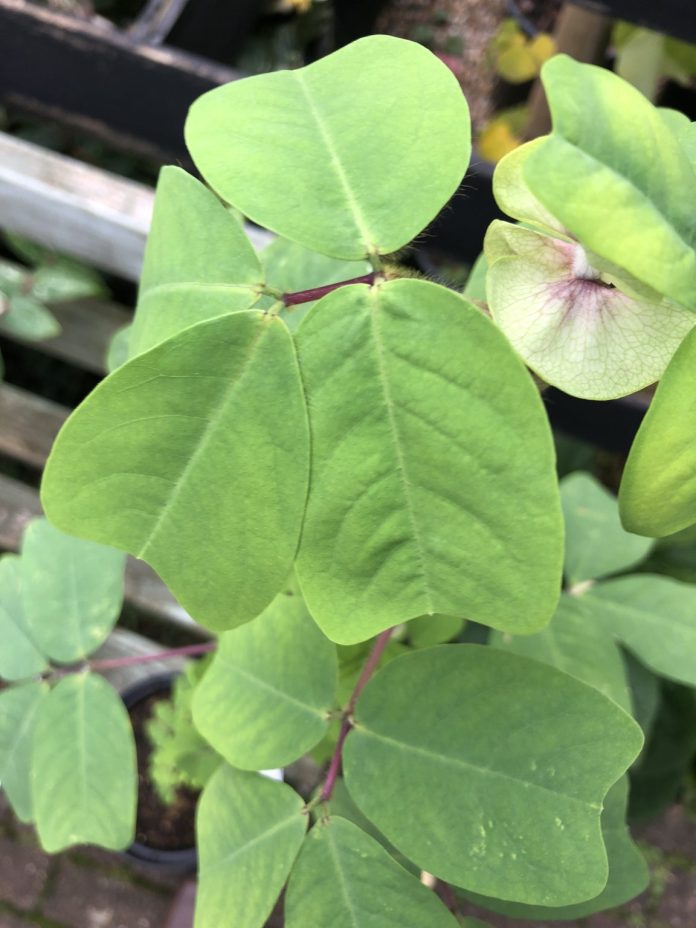
Amicia zygomeris, commonly known as Yoke-leaved Amicia, is a distinctive and visually appealing perennial plant cherished for its unique yoke-shaped leaves and vibrant blossoms. Cultivating Amicia zygomeris successfully involves attention to its specific needs and tolerances, including temperature. Here’s a step-by-step guide on how to grow and care for this remarkable plant:
1. Climate and Location:
- Yoke-leaved Amicia thrives in regions with a mild to temperate climate. It flourishes best in full sun or light shade. In areas with intense heat, providing afternoon shade can protect it from scorching sun exposure.
2. Soil Preparation:
- Prepare well-draining, fertile soil with a slightly acidic to neutral pH. Enhance the soil’s quality by incorporating organic matter, such as compost or well-rotted manure.
3. Planting:
- Spring, after the last frost date in your region, is the ideal time to plant Amicia zygomeris. Dig a hole slightly larger than the plant’s root ball, position the plant at the same depth as it was in its container, and backfill the hole with soil. Gently press down to eliminate air pockets, then water thoroughly after planting.
4. Watering:
- Maintain consistent soil moisture without overwatering. Water your plant when the top inch (2.5 cm) of soil dries out during the growing season. In periods of high temperature or arid conditions, you may need to water more frequently.
5. Mulching:
- Apply a layer of organic mulch around the plant’s base to preserve moisture, inhibit weed growth, and regulate root temperature. This is particularly essential during hot and dry spells.
6. Fertilization:
- To nourish your Yoke-leaved Amicia, utilize a balanced, slow-release fertilizer or a diluted liquid fertilizer during the growing season, typically from spring to early autumn.
7. Pruning:
- Prune the plant as necessary to preserve its shape and eliminate dead or damaged growth. Pruning can also stimulate a more compact and bushy form.
8. Support (if needed):
- As the plant matures, it may become tall and somewhat leggy. Offer staking or support to prevent drooping and maintain an upright appearance.
9. Pests and Diseases:
- Regularly inspect your Yoke-leaved Amicia for typical garden pests such as aphids or snails, and promptly address any infestations. Practicing good garden hygiene can help prevent these issues.
10. Winter Protection:
- In regions with cold winters, it is crucial to shield the plant during the winter months. Apply a layer of mulch to safeguard the roots, and consider covering it with frost cloth or relocating it to a sheltered area to safeguard it from freezing temperatures.
The lowest temperature that Yoke-leaved Amicia typically tolerates is approximately 0°C to -3°C (32°F to 26.6°F). A hard frost will make it die back to the roots but these have been known to go down to -10C and still grow back the following year.
By adhering to these guidelines and taking into account its specific requirements, you can successfully cultivate and appreciate the unique beauty of Amicia zygomeris in your garden or landscape. Its distinctive yoke-shaped leaves and colorful blossoms will undoubtedly make it a captivating addition to your outdoor space.


Amicia zygomeris – Grow Guide
Common name: None widely used; sometimes called “Bolivian Vine”
Family: Fabaceae (Legume family)
Type: Tender perennial climber or scrambling shrub
Hardiness: RHS H3 – frost-tender; overwinter under glass in the UK
Ultimate size: 2–3 m long (climbing) × 1–1.5 m wide
Overview
Amicia zygomeris is a rare and exotic-looking legume with delicate pinnate foliage and pea-like flowers, often in shades of yellow, cream, or orange (depending on selection). It is fast-growing in warm, sheltered spots, ideal for greenhouses, conservatories, or tropical-themed gardens.
Position
- Light: Full sun to partial shade
- Protect from strong winds, which can damage stems
- Prefers a bright, sheltered, warm site
Soil
- Type: Fertile, well-draining soil
- Incorporate compost or leaf mould to retain moisture
- pH: Neutral to slightly acidic
Planting
- When: Spring, after all risk of frost
- Plant near a support (trellis, frame, or pergola)
- Space climbers 1–1.5 m apart
- Container growing is ideal for overwintering
Watering
- Keep soil evenly moist, especially during active growth
- Reduce watering slightly in winter if grown indoors
- Avoid waterlogging, which can cause root rot
Feeding
- Feed with a balanced liquid fertiliser every 2–3 weeks during growth
- Optional slow-release fertiliser at planting
Growth & Habit
- Scrambling or climbing habit
- Pinnate, fern-like foliage adds a delicate texture
- Flowers appear in loose clusters on new growth
- Can be pruned lightly to maintain shape
Flowering
- Months: Summer (June–August in UK greenhouse or sheltered spot)
- Flowers: Pea-like, often yellow-orange, borne in loose clusters
- Attractive to pollinators
Maintenance
- Prune after flowering to maintain shape
- Remove weak or crossing stems
- Container plants: move under cover for winter
- Overwinter frost-free at 5–10 °C
Propagation
- Softwood cuttings: Summer, root in warm, moist compost
- Seed: Rarely used in cultivation
Pests & Problems
- Aphids and whitefly, especially indoors
- Spider mites in dry conditions
- Root rot if overwatered
Garden Use
- Greenhouses and conservatories
- Sheltered summer climber in borders or containers
- Tropical-themed garden plant
- Works well with:
- Passiflora
- Solanum species
- Abutilon
Quick Reference Table
| Feature | Details |
|---|---|
| Hardiness | RHS H3 – frost-tender |
| Height | 2–3 m climbing |
| Spread | 1–1.5 m |
| Flowering | June–August |
| Position | Full sun to partial shade; sheltered |
| Soil | Fertile, well-draining; neutral to slightly acidic |
| Water | Keep evenly moist |
| Feeding | Liquid feed every 2–3 weeks |
| Propagation | Softwood cuttings; seed rare |
| Maintenance | Prune lightly after flowering; overwinter frost-free |
| Best feature | Delicate pinnate foliage with bright pea-like flowers |