
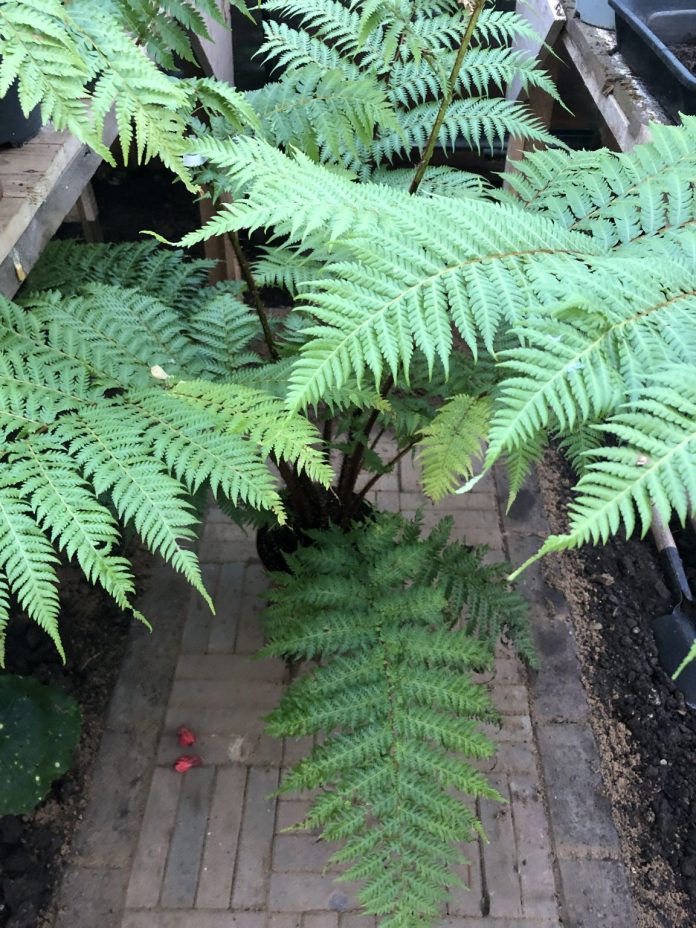
Cyathea cooperi, commonly known as the Australian Tree Fern, is a stunning fern that can add a touch of tropical elegance to your garden or indoor space. Growing this fern successfully requires careful attention to its specific needs. Here is a step-by-step guide on how to grow Cyathea cooperi:
- Select the Right Location:
- Outdoor Placement: Cyathea cooperi thrives in partial to full shade. Choose a location in your garden that provides dappled sunlight or filtered light. It’s important to protect the fern from direct sunlight, especially during the hottest part of the day.
- Indoor Placement: If you’re growing Cyathea cooperi indoors, place it near a bright window where it can receive indirect sunlight. Avoid positioning it in a spot with direct sun exposure.
- Prepare Well-Draining Soil:
- Cyathea cooperi prefers well-draining, organic-rich soil. You can create an ideal mix by combining peat moss, compost, and perlite. This mixture offers good moisture retention and drainage.
- Planting Cyathea Cooperi:
- When transplanting your fern, ensure that the root ball is level with the soil surface. It’s important not to plant it too deeply or too shallow. Water thoroughly after planting to help the roots settle.
- Watering:
- Keep the soil consistently moist but not waterlogged. Watering requirements may vary with environmental conditions and the size of your fern, but generally, water when the top inch (2.5 cm) of soil begins to dry. Be mindful not to let the soil completely dry out, as this can stress the plant.
- Humidity and Temperature:
- Cyathea cooperi thrives in warm and humid conditions. If you live in an area with cold winters, consider bringing the plant indoors or providing protection from freezing temperatures. You can increase humidity by misting the plant regularly or placing a tray of water near the plant. Maintain temperatures within the range of 60-70°F (15-24°C) for optimal growth.
- The Cyathea cooperi, or Australian Tree Fern, is generally not cold-hardy and can be damaged by frost or freezing temperatures. It is native to subtropical and warm temperate regions of eastern Australia. In terms of temperature tolerance:
- The lowest temperature that Cyathea cooperi will typically tolerate is around 0°C to -3°C (32°F to 26.6°F). However, it’s important to note that exposure to temperatures below freezing for an extended period can harm or even kill this fern. To ensure the health of your Cyathea cooperi, it’s advisable to provide protection from freezing temperatures, especially during the winter months, by bringing it indoors, covering it, or using other methods to maintain a suitable temperature range.
- Fertilization:
- Apply a balanced, slow-release fertilizer every two to three months during the growing season (spring and summer). Avoid over-fertilizing, as it can harm the plant. Follow the manufacturer’s instructions for the specific fertilizer you choose.
- Mulching:
- Apply a layer of organic mulch around the base of the fern to help retain moisture, suppress weeds, and provide additional nutrients.
- Pruning and Maintenance:
- Regularly prune dead or damaged fronds to maintain the plant’s appearance and encourage healthy growth. Use clean, sharp pruners to make clean cuts.
- Pests and Diseases:
- Keep an eye out for common pests such as scale insects and mealybugs. If you notice an infestation, address it promptly with appropriate treatments. Good air circulation and proper maintenance can help prevent many issues.
By following these steps and providing the appropriate care, you can successfully grow and enjoy the lush beauty of Cyathea cooperi in your garden or home. With its elegant, arching fronds, this Australian Tree Fern can be a captivating addition to your plant collection.

Cyathea cooperi – Grow Guide
Common name: Australian Tree Fern
Family: Cyatheaceae
Type: Evergreen tree fern
Hardiness: RHS H2–H3 – tender; requires winter protection in the UK
Ultimate size: 4–6 m tall (much smaller in UK gardens) × 2–3 m spread
Overview
Cyathea cooperi is one of the most popular tree ferns, valued for its fast growth, elegant arching fronds, and classic jungle appearance. While not fully hardy in the UK, it can be grown successfully outdoors in mild, sheltered gardens with proper winter protection, or kept as a container specimen moved under cover in winter.
Position
- Light: Bright shade or dappled light
- Avoid full sun, which can scorch fronds
- Needs a sheltered, humid position away from cold winds
Soil
- Type: Moist, humus-rich, free-draining soil
- pH: Slightly acidic
- Improve soil with leaf mould, composted bark, or well-rotted organic matter
Planting
- When: Late spring to early summer, once frost risk has passed
- Plant at the same depth as previously grown
- Ensure crown is upright and stable
- Mulch heavily after planting to retain moisture
Watering
- Requires constant moisture during the growing season
- Water the trunk and crown, not just the soil
- In dry weather, daily watering may be necessary
- Never allow the crown to dry out
Feeding
- Feed monthly during the growing season with a dilute balanced fertiliser
- Occasional liquid seaweed feed is beneficial
- Avoid high-nitrogen feeds
Growth & Habit
- Single trunk topped with a crown of large, arching fronds
- Fast-growing compared to other tree ferns
- Evergreen in mild conditions
- Sensitive to cold and drying winds
Winter Care (Essential in the UK)
- Protect when temperatures fall below –2 to –3 °C
- Pack crown with straw or dry fleece
- Wrap trunk with horticultural fleece or hessian
- Keep crown just moist through winter, not wet
- Container plants are best overwintered in a cool conservatory, greenhouse, or frost-free porch
Maintenance
- Remove dead or damaged fronds in spring
- Do not cut green fronds unless necessary
- Keep base mulched year-round
- Maintain high humidity during summer
Propagation
- Spores: Possible but slow and specialist
- Not usually propagated by gardeners
Pests & Problems
- Generally pest-free outdoors
- Scale insects may appear under glass
- Browning fronds usually indicate dry air, drought, or cold damage
Garden Use
- Tropical and woodland-style gardens
- Shaded courtyards
- Large containers
- Excellent alongside:
- Dicksonia antarctica
- Fatsia
- Tetrapanax
- Ferns and hostas
Quick Reference Table
| Feature | Details |
|---|---|
| Hardiness | RHS H2–H3 |
| Height | Up to 6 m (UK usually smaller) |
| Spread | 2–3 m |
| Position | Bright shade, sheltered |
| Soil | Moist, humus-rich, free-draining |
| Water | Very high requirement |
| Feeding | Monthly, dilute |
| Evergreen | Yes (mild conditions) |
| Propagation | Spores (specialist) |
| Best feature | Fast-growing tree fern |