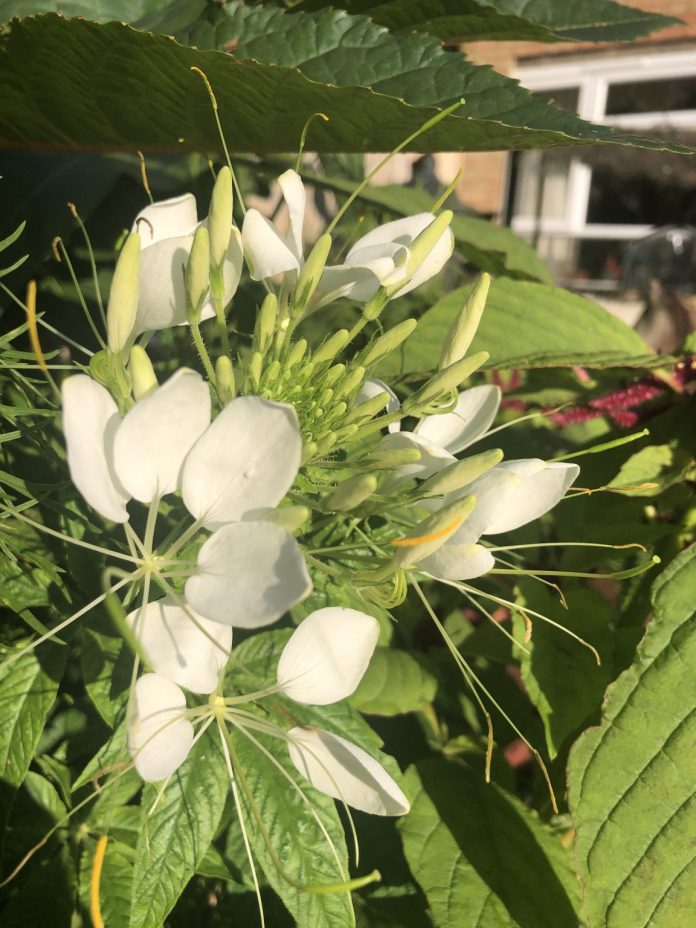
Cleome, also known as spider flower or bee plant, is a unique and attractive flowering plant that can add beauty to your garden. Here’s a guide on how to grow and care for Cleome:
1. Planting:
- Choose a sunny location: Cleome prefers full sun but can tolerate partial shade.
- Soil: Well-draining soil is essential. Amend the soil with compost or well-rotted manure to improve drainage and fertility.
- Sowing seeds: Cleome is usually grown from seeds. Directly sow seeds outdoors after the last frost date in your area. Alternatively, you can start seeds indoors a few weeks before the last frost and transplant them once they have grown a few inches tall.
2. Watering:
- Keep the soil consistently moist but not waterlogged, especially during the germination and establishment phases. Once established, Cleome is somewhat drought-tolerant.
3. Fertilizing:
- Fertilize with a balanced, slow-release granular fertilizer when planting. You can also apply a diluted liquid fertilizer every 4-6 weeks during the growing season.
4. Pruning:
- Deadheading: To encourage continuous blooming, regularly remove spent flowers (deadhead). This prevents the plant from using energy to produce seeds and redirects it towards new growth and flower production.
- Pinching: If your Cleome plants become leggy, you can pinch back the tips of the stems to encourage bushier growth.
5. Support:
- Cleome can grow quite tall and may require support. Consider using stakes or other support structures to prevent the plants from flopping over.
6. Pest and Disease Management:
- Cleome is generally resistant to most pests and diseases, but it can occasionally be affected by aphids, whiteflies, and spider mites. Regularly inspect your plants and treat any infestations promptly with insecticidal soap or neem oil.
- Provide adequate spacing between plants to improve air circulation and reduce the risk of fungal diseases.
7. Overwintering:
- Cleome is typically grown as an annual, but in warmer climates, it may overwinter as a short-lived perennial. In colder regions, you can collect seeds from your plants at the end of the season to save for planting the following year.
8. Attracting Beneficial Insects:
- Cleome flowers are attractive to bees, butterflies, and other pollinators, making them a great addition to pollinator-friendly gardens.
9. Companion Planting:
- Cleome can be planted alongside other annuals and perennials that have similar sun and water requirements. Consider companions like zinnias, marigolds, salvia, and rudbeckia.
10. Mulching:
- Apply a layer of organic mulch around your Cleome plants to help retain soil moisture, suppress weeds, and maintain even soil temperatures.
Remember that Cleome self-seeds quite readily, so if you allow some flowers to mature and produce seeds, you may find new plants popping up in the garden next year. It’s a good practice to thin out excess seedlings if they become too crowded.
Cleome (Cleome hassleriana) – Grow Guide
Common name: Spider Flower
Family: Cleomaceae
Type: Tender annual (fast-growing, flowering)
Hardiness: RHS H3 – frost-tender; grow outdoors in summer after all risk of frost
Ultimate size: 90–150 cm tall × 45–60 cm wide
Overview
Cleome is an upright, architectural annual with long, spidery stamens giving flowers a delicate “spider-like” appearance. It produces dense clusters of pink, purple, or white flowers from summer through autumn. Its airy habit makes it ideal for summer borders, tropical-style gardens, and pollinator-friendly plantings.
Position
- Light: Full sun for best flowering
- Aspect: Sheltered from strong winds; tall stems can topple if exposed
- Prefers a warm, sunny site for vigorous growth
Soil
- Type: Fertile, well-draining soil
- Avoid heavy clay or waterlogged soil
- pH: Neutral to slightly alkaline
Planting
- When: Sow indoors in spring (March–April) or direct-sow outdoors after last frost (May)
- Spacing: 45–60 cm apart to allow airflow and prevent disease
- Tips: Cleome transplants poorly if root disturbed; start in biodegradable pots if possible
Watering
- Water regularly to maintain even moisture, particularly during dry spells
- Established plants are moderately drought-tolerant
- Mulch to conserve soil moisture and suppress weeds
Feeding
- Apply balanced liquid fertiliser every 2–3 weeks during active growth
- Slow-release fertiliser at planting can improve flowering
Growth & Habit
- Upright, bushy annual
- Long, palmate leaves and branching stems
- Produces tall flower spikes, sometimes over 1 m high
- Excellent for summer and autumn colour
Flowering
- Month: July–October in the UK
- Flowers: Clusters of pink, purple, or white with long stamens resembling spiders
- Attractive to bees, butterflies, and other pollinators
Maintenance
- Deadhead to prolong flowering
- Stake tall varieties to prevent flopping
- Cut back in autumn when foliage dies
Propagation
- Seed: Main method; sow indoors in spring or direct sow outdoors after frost
- Easy to self-seed in warm locations, but generally short-lived in UK conditions
Pests & Problems
- Generally pest-free
- Slugs and aphids can occasionally attack young seedlings
- Powdery mildew may appear in humid, poorly ventilated sites
Garden Use
- Herbaceous borders, tropical-style borders, and wildlife gardens
- Pollinator-friendly planting
- Pairs well with dahlias, sunflowers, cannas, and other bold perennials for height and colour contrast
Quick Reference Table
| Feature | Details |
|---|---|
| Hardiness | RHS H3 – frost-tender |
| Height | 90–150 cm |
| Spread | 45–60 cm |
| Flowering | July–October |
| Position | Full sun; sheltered from strong winds |
| Soil | Fertile, well-draining; neutral to slightly alkaline |
| Water | Regular watering, keep moist |
| Feeding | Liquid fertiliser every 2–3 weeks; slow-release at planting |
| Propagation | Seed (main) |
| Maintenance | Deadhead to prolong flowering; stake tall plants |
| Pests | Slugs, aphids, powdery mildew (rare) |