
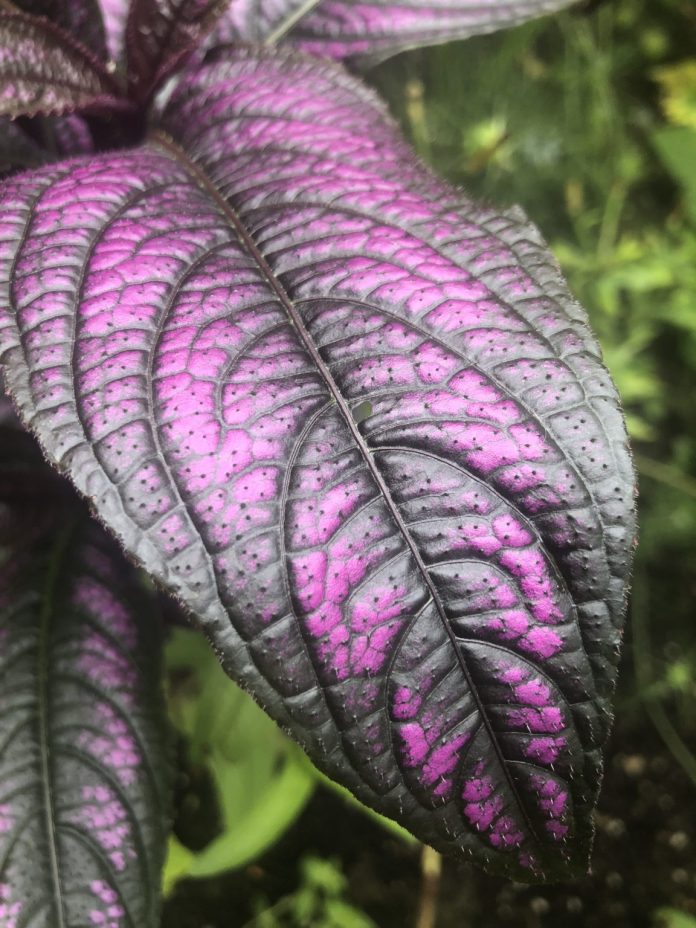
Growing Persian Shield (Strobilanthes dyerianus) outdoors in the UK can be a bit challenging due to the country’s temperate climate, especially in more northern and cooler regions. Persian Shield is native to tropical regions and prefers warm and humid conditions. However, it is possible to grow Persian Shield outdoors in the UK with some care and consideration.
Here are some tips for growing Persian Shield outdoors in the UK:
- Microclimate: Choose a warm and sheltered spot in your garden that receives some morning sun but is protected from strong winds and intense afternoon sunlight. This can help create a slightly more favorable microclimate for the plant.
- Soil: Persian Shield prefers well-draining soil that is rich in organic matter. You may need to amend the soil with compost or other organic materials to improve drainage and provide nutrients.
- Watering: Keep the soil consistently moist but not waterlogged. Be mindful of overwatering, as the plant can be susceptible to root rot in cool and damp conditions.
- Mulching: Applying a layer of organic mulch around the base of the plant can help retain soil moisture and regulate temperature.
- Temperature: Persian Shield is sensitive to cold temperatures and frost. In the UK, it’s best to treat Persian Shield as an annual or a tender perennial. You can plant it outdoors in the spring after the last frost and enjoy its vibrant foliage until the first signs of colder weather in the fall.
- Container Option: If you’re concerned about the UK’s cooler climate, consider growing Persian Shield in a container. This way, you can move the plant indoors or to a more protected area if temperatures drop significantly.
- Fertilization: Feed Persian Shield with a balanced, water-soluble fertilizer during the growing season to promote healthy growth and vibrant foliage.
- Pruning: Regularly pinch back the growing tips to encourage bushier growth and a more compact plant.
- Pest and Disease Management: Keep an eye out for pests such as aphids and whiteflies, which can be more active in humid conditions. Treat any infestations promptly with appropriate measures.
It’s important to note that while it is possible to grow Persian Shield outdoors in the UK, it may not achieve the same size and lushness as it would in its native tropical habitat. Additionally, the plant’s survival through the winter months may be limited, especially in colder regions. Gardeners in the UK often treat Persian Shield as a colorful annual or as a temporary outdoor accent plant during the warmer months.
Persian Shield (Strobilanthes dyerianus) – Grow Guide
Common name: Persian Shield
Family: Acanthaceae
Type: Tender evergreen perennial / sub-shrub
Hardiness: RHS H3 – frost-tender; best grown indoors, in a greenhouse, or as an annual outdoors in the UK
Ultimate size: 60–120 cm tall × 45–90 cm wide
Overview
Persian Shield is grown for its striking iridescent foliage, which ranges from deep metallic purple to violet with green streaks. It produces spikes of pale blue flowers in late summer, though it is mainly valued for its leaves. Perfect for tropical-style planting, containers, and conservatories.
Position
- Light: Bright, indirect light for best foliage colour
- Avoid direct midday sun (can scorch leaves)
- Outdoors: partial shade or filtered sunlight
- Indoors: near a sunny east or west-facing window
Soil
- Type: Moist, fertile, well-draining soil
- Enriched with compost or peat-based mix in containers
- pH: Slightly acidic to neutral
Planting
- When: Spring for planting outdoors or into containers
- Outdoors in summer only, after all risk of frost has passed
- Space 45–60 cm apart for bushy growth
- Container-grown plants thrive in large pots with good drainage
Watering
- Keep soil consistently moist but not waterlogged
- Avoid letting leaves sit in water
- Mist foliage occasionally to maintain humidity, especially indoors
Feeding
- Feed every 2–3 weeks during the growing season with liquid fertiliser
- Optional slow-release fertiliser in containers in spring
Growth & Habit
- Upright, bushy habit with multiple stems
- Foliage emerges bright purple-green, darkening with age
- Spikes of pale blue flowers appear in late summer
- Can be pruned to maintain shape or encourage branching
Flowering
- Month: August–October (UK, indoors or outdoors in summer)
- Flowers: Small, pale blue, on upright spikes
- Foliage is the main ornamental feature
Maintenance
- Pinch back growing tips to encourage bushiness
- Cut back stems to 15–20 cm in late autumn if growing as a tender perennial indoors
- Remove damaged or faded leaves
Propagation
- Stem cuttings: Most reliable; root in water or moist potting mix in spring or summer
- Seed: Rarely used commercially due to slow germination
Pests & Problems
- Aphids and spider mites, especially indoors
- Root rot if overwatered or soil poorly drained
- Leaves may fade in low light
Garden Use
- Containers, hanging baskets, or patio displays
- Tropical-style borders in frost-free areas
- Conservatories, greenhouses, and indoor tropical-themed displays
- Pairs well with Caladiums, Coleus, Cannas, and other bold-leaved tropicals
Quick Reference Table
| Feature | Details |
|---|---|
| Hardiness | RHS H3 – tender, frost-sensitive |
| Height | 60–120 cm |
| Spread | 45–90 cm |
| Flowering | August–October (pale blue flowers) |
| Position | Bright indirect light; partial shade outdoors |
| Soil | Moist, fertile, well-draining |
| Water | Keep consistently moist; mist leaves if indoors |
| Feeding | Liquid fertiliser every 2–3 weeks during growing season |
| Propagation | Stem cuttings (main), seed (rare) |
| Maintenance | Pinch for bushiness; cut back in autumn if overwintering indoors |
| Pests | Aphids, spider mites, root rot if overwatered |