
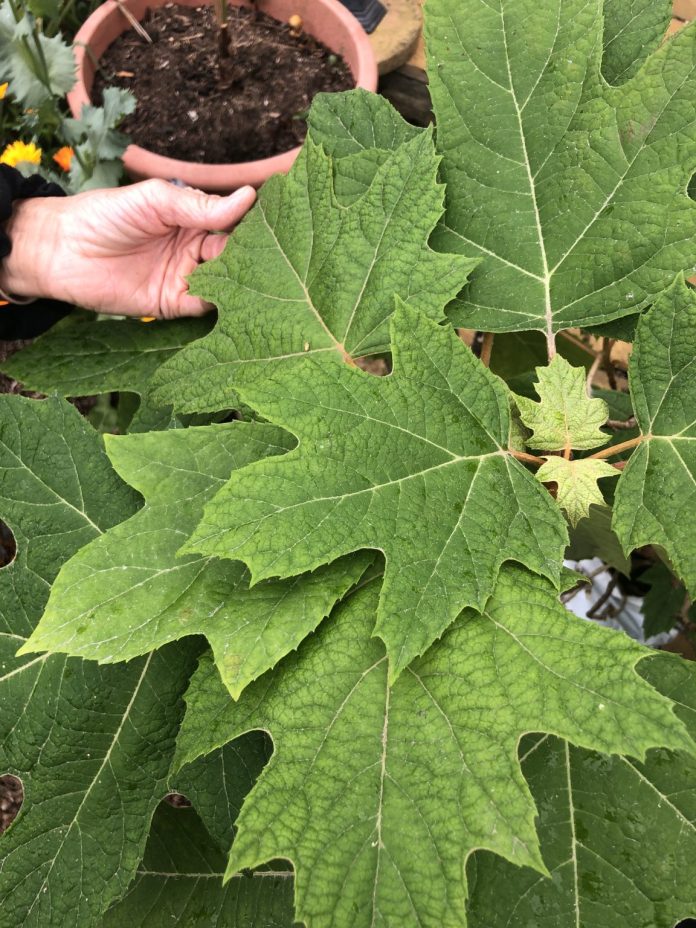
To grow oakleaf hydrangeas (Hydrangea quercifolia), you need to provide them with the right growing conditions and follow a few basic care guidelines. Here’s a step-by-step guide on how to grow oakleaf hydrangeas:
- Choose the right location: Oakleaf hydrangeas thrive in partial shade to full sun. They prefer morning sun and afternoon shade, especially in hotter regions. Select a location with well-drained soil that is rich in organic matter.
- Planting: Dig a hole that is slightly larger than the root ball of the plant. Place the hydrangea in the hole, making sure the top of the root ball is level with the soil surface. Backfill the hole with soil and gently tamp it down. Water thoroughly after planting.
- Watering: Keep the soil consistently moist, especially during the first year after planting. Hydrangeas generally require 1 to 1.5 inches of water per week. Water deeply and avoid letting the soil dry out completely between waterings.
- Mulching: Apply a layer of organic mulch around the base of the plant, such as shredded bark or compost. Mulch helps conserve moisture, suppress weeds, and insulate the soil. Keep the mulch a few inches away from the stem to prevent rot.
- Fertilizing: Oakleaf hydrangeas do not require heavy fertilization. However, you can apply a balanced slow-release fertilizer in early spring, following the package instructions. Avoid using high-nitrogen fertilizers, as they can promote excessive foliage growth at the expense of flower production.
- Pruning: Prune oakleaf hydrangeas immediately after flowering, usually in late summer or early fall. Remove dead or damaged wood and shape the plant as desired. Avoid heavy pruning, as oakleaf hydrangeas bloom on old wood.
- Winter protection: Oakleaf hydrangeas are generally hardy plants, but in colder climates, it’s advisable to protect them from harsh winter conditions. Apply a layer of mulch around the base of the plant in late autumn to insulate the roots and protect them from freezing.
- Pests and diseases: Oakleaf hydrangeas are generally resistant to pests and diseases. However, they can occasionally be affected by aphids, spider mites, or powdery mildew. Monitor your plants regularly and take appropriate action if you notice any issues.


Absolutely! Here’s a comprehensive grow guide for Oakleaf Hydrangeas (Hydrangea quercifolia) with all the details you requested:
Oakleaf Hydrangeas – Grow Guide
Oakleaf Hydrangeas (Hydrangea quercifolia) are deciduous shrubs prized for their dramatic foliage, cone-shaped flower panicles, and striking autumn colour. They provide multi-season interest and are ideal for borders, woodland gardens, and mixed shrub plantings.
Botanical Information
- Botanical Name: Hydrangea quercifolia
- Family: Hydrangeaceae
- Common Name: Oakleaf Hydrangea
- Plant Type: Deciduous shrub
Growth Habit
- Height: 1.5–3 m, depending on cultivar
- Spread: 1.5–3 m
- Form: Upright, arching shrub with a natural, informal habit
- Foliage: Large, deeply lobed leaves resembling oak leaves; glossy green turning reds, oranges, and purples in autumn
- Flowers: Cone-shaped panicles of white to pink flowers in summer
Soil Requirements
- Type: Tolerates a range of soils: clay, loam, sandy, preferably rich and well-drained
- Moisture: Prefers moist but not waterlogged soil
- pH: Acidic to neutral (pH 5.5–7.0); will tolerate slightly alkaline soils
- Fertilization: Feed in spring with a balanced shrub fertilizer
Position and Sunlight
- Sun: Prefers full sun to partial shade
- Shade: Too much shade reduces flowering
- Air Circulation: Good airflow reduces risk of powdery mildew
Hardiness
- Hardiness: Fully hardy in temperate zones (USDA 5–9, RHS H6–H7)
- Winter Care: Mulch the base to protect roots in exposed areas during harsh winters
Flowering
- Months: June to August
- Flower Type: Large cone-shaped panicles of small, fertile flowers surrounded by showy sterile bracts
- Pollinators: Attracts bees and butterflies
Propagation
- Division: Rarely used; difficult with woody shrubs
- Cuttings: Semi-hardwood cuttings in summer root well under mist or in a propagator
- Layering: Can be layered in spring or autumn
- Seed: Slow and rarely used in garden practice
Cultivation Tips
- Pruning:
- Minimal pruning required
- Remove dead or damaged stems after flowering
- Avoid heavy pruning in spring as it blooms on old wood
- Spacing: Allow 1.5–2 m between plants to accommodate spread
- Companion Plants: Shade-tolerant perennials, ferns, hostas, and ornamental grasses
- Pests/Diseases: Generally low-maintenance; watch for aphids, scale, and powdery mildew
- Maintenance: Mulch annually and water during dry spells for best foliage and flower performance
Popular Cultivars
- Hydrangea quercifolia ‘Snow Queen’ – Large, upright panicles, compact growth
- Hydrangea quercifolia ‘Alice’ – Long blooms, dark foliage, good autumn colour
- Hydrangea quercifolia ‘Ruby Slippers’ – Bright red autumn foliage, medium height
- Hydrangea quercifolia ‘Pee Wee’ – Dwarf cultivar, ideal for smaller gardens or containers
Summary
Oakleaf Hydrangeas are multi-season, low-maintenance shrubs that combine bold foliage, spectacular summer flowers, and brilliant autumn colour. They thrive in full sun to partial shade, adaptable to clay, sandy, or loamy soils, and are hardy in temperate climates. With proper spacing, minimal pruning, and occasional watering during dry periods, Oakleaf Hydrangeas are a reliable choice for creating woodland borders, informal hedges, or feature shrubs in UK and temperate gardens.