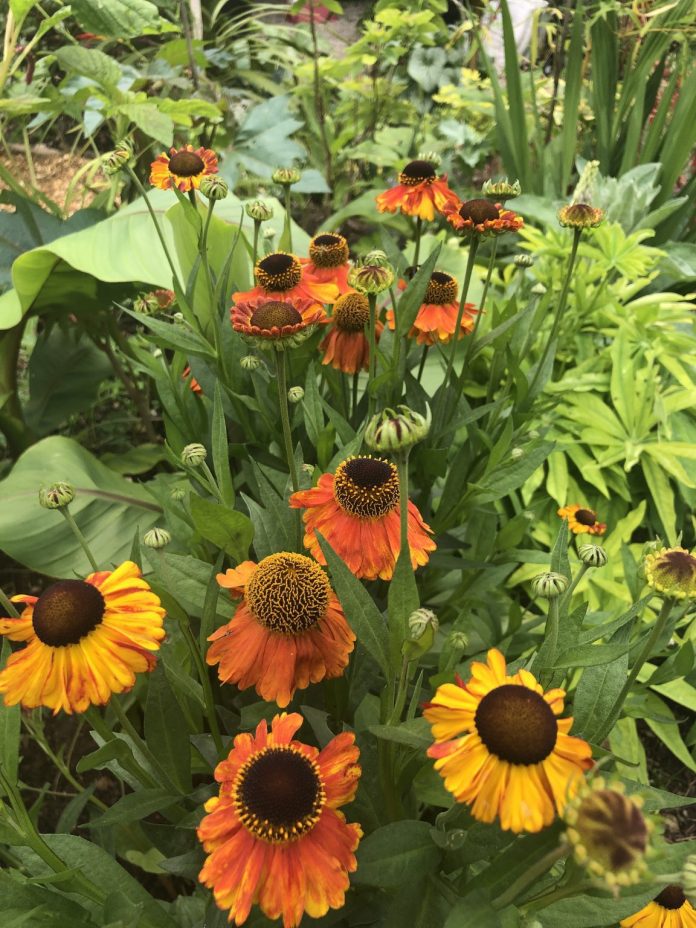
Heleniums are generally considered relatively easy to grow, making them a popular choice for many gardeners. Here are a few reasons why they are considered easy to grow:
- Hardy nature: Heleniums are hardy perennial plants that can tolerate a wide range of climatic conditions. They are native to North America and are adapted to various soil types and weather conditions.
- Low maintenance: Once established, heleniums require minimal care. They are moderately drought-tolerant and can survive in less-than-ideal soil conditions. As long as they receive adequate sunlight and water, they typically thrive without much intervention.
- Disease and pest resistance: Heleniums are generally resistant to most pests and diseases. While they may occasionally attract aphids, slugs, or snails, these issues can usually be managed with simple pest control measures.
- Long bloom period: Heleniums have a long blooming period, usually starting in mid to late summer and continuing into the fall. Their vibrant and colorful flowers add a beautiful touch to the garden, and deadheading the spent flowers can encourage prolonged blooming.
- Naturalizing ability: Heleniums have a clumping growth habit and can naturalize over time, gradually expanding their presence in the garden. This can be advantageous if you want to fill in large areas or create a more extensive display of these attractive plants.
While heleniums are generally easy to grow, it’s essential to provide them with the right growing conditions, including adequate sunlight, well-drained soil, and appropriate watering. As with any plant, variations in local climate and conditions can influence their success, so it’s always a good idea to consider the specific needs of your helenium cultivar and adapt your care accordingly.
Absolutely! Here’s a comprehensive grow guide for Heleniums with all the details you requested:
Heleniums – Grow Guide
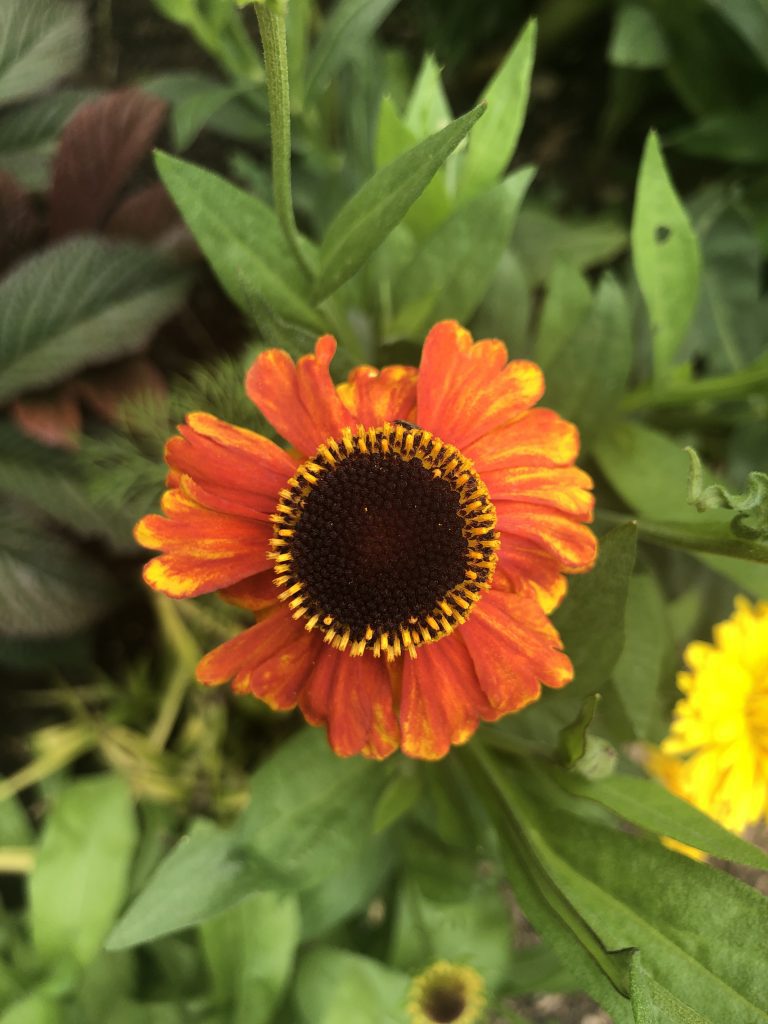
Heleniums, commonly known as sneezeweeds, are classic late-summer perennials valued for their bright daisy-like flowers in rich shades of yellow, orange, and red. They are hardy, long-flowering, and excellent for borders, cottage gardens, or pollinator-friendly plantings.
Botanical Information
- Botanical Name: Helenium spp.
- Family: Asteraceae (daisy family)
- Common Name: Sneezeweed
- Plant Type: Herbaceous perennial
Growth Habit
- Height: Typically 60 cm to 1.5 m depending on cultivar
- Spread: 30–60 cm
- Form: Clump-forming upright perennial with branched stems and daisy-like flowers
- Foliage: Narrow, lance-shaped, green leaves
Soil Requirements
- Type: Adapts to most soils including clay, loam, and sandy soils
- Moisture: Prefers moist but well-drained soil; tolerates short periods of drought once established
- pH: Performs best in neutral to slightly acidic soils (pH 6.0–7.0), tolerates mildly alkaline soils
- Fertilization: Benefit from an all-purpose or flowering perennial feed in spring
Position and Sunlight
- Sun: Full sun is essential for best flowering
- Shade Tolerance: Performs poorly in shade; will flower less and become leggy
- Air Circulation: Good air flow helps prevent fungal diseases
Hardiness
- Hardiness: Fully hardy in temperate climates (UK RHS H7, USDA zones 3–8)
- Winter Care: Mulching in very cold climates can protect crowns, especially young plants
Flowering
- Months: Typically July to October, depending on variety
- Flower Type: Daisy-like with prominent central disc florets in yellow, orange, red, or bi-colours
- Pollinators: Attracts bees and butterflies
Propagation
- Division: Best method; divide clumps every 2–3 years in early spring or autumn
- Seed: Can be grown from seed; sow indoors in spring or directly in the garden after frost risk has passed
- Cuttings: Softwood or herbaceous cuttings possible in late spring/early summer
Cultivation Tips
- Support: Taller cultivars may need staking to prevent flopping
- Deadheading: Remove faded flowers to prolong bloom and encourage rebloom
- Spacing: Allow 30–45 cm between plants for air circulation
- Companion Plants: Works well with asters, rudbeckias, sedums, and ornamental grasses for late-season colour
- Pests/Diseases: Generally trouble-free; occasional mildew or rust in humid conditions
- Maintenance: Cut back stems to the ground after flowering if desired, or leave for winter seedheads for wildlife interest
Popular Cultivars
- Helenium ‘Moerheim Beauty’ – Golden yellow flowers, compact, 90 cm tall
- Helenium ‘Waltraut’ – Orange-red flowers with large blooms, 1 m tall
- Helenium ‘Sahin’s Early Flowerer’ – Early-flowering cultivar, bright red-orange, 80–90 cm tall
- Helenium autumnale – Native species, tall, late-flowering, often 1–1.5 m
Summary
Heleniums are hardy, easy-care perennials perfect for adding bright, late-summer colour to UK gardens. They thrive in full sun, neutral to slightly acidic soils, and benefit from regular division and staking for taller cultivars. Their long flowering period, pollinator-friendly blooms, and architectural stems make them ideal for mixed borders, cottage gardens, or wildlife-friendly plantings.