
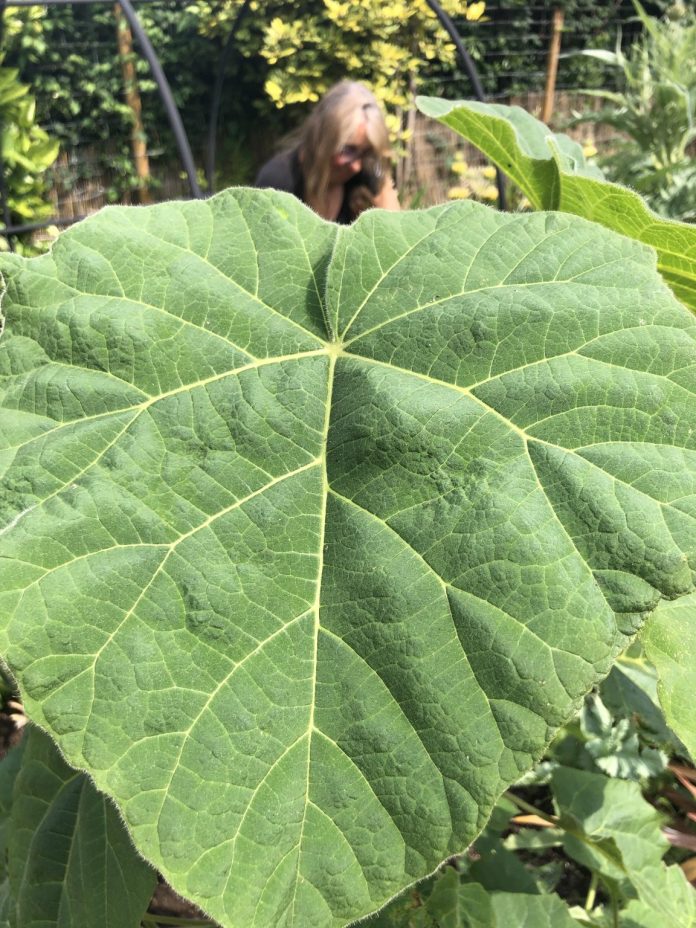
Paulownia tomentosa is commonly known as the Empress Tree or Princess Tree, while the Foxglove Tree is a different species known as Paulownia tomentosa var. tomentosa.
The cultivation and care for the Foxglove Tree, Paulownia tomentosa var. tomentosa, are quite similar to the guidelines provided for Paulownia tomentosa. Here are some additional details specifically for the Foxglove Tree:
- Climate suitability: The Foxglove Tree, like Paulownia tomentosa, is best suited for mild and temperate climates. It requires a frost-free period of at least 200 days for optimal growth.
- Planting: Choose a sunny location with well-drained soil for the Foxglove Tree. It also prefers fertile soil but can tolerate various soil conditions. Follow the same planting instructions as mentioned earlier for Paulownia tomentosa.
- Watering: The Foxglove Tree has moderate water needs. Water it regularly during the first year, especially in dry periods. Once established, it can tolerate short periods of drought. Avoid overwatering.
- Mulching: Apply a layer of organic mulch, such as wood chips or compost, around the base of the tree, while keeping it a few inches away from the trunk. This will help retain moisture, suppress weed growth, and protect the roots during winter.
- Pruning: Regular pruning is necessary to maintain the shape and size of the Foxglove Tree. Prune it during late winter or early spring before new growth emerges. Remove any dead, damaged, or crossing branches. You can also prune to maintain the desired height or shape.
- Fertilization: The Foxglove Tree benefits from regular fertilization. Apply a balanced slow-release fertilizer in spring when new growth starts. Follow the manufacturer’s instructions for the correct dosage and application method.
- Protection from frost: Young Foxglove Trees may be susceptible to frost. Provide protection, such as covering the tree with a frost cloth or using horticultural fleece, in areas prone to late spring frosts.
- Pests and diseases: Similar to Paulownia tomentosa, the Foxglove Tree is relatively resistant to pests and diseases. However, occasional pests like aphids or scale insects and fungal diseases like powdery mildew can affect it. Monitor the tree regularly and take appropriate measures, such as using insecticidal soap or fungicides, if necessary.
- Propagation: The Foxglove Tree can be propagated from seeds or cuttings. Stratify the seeds in the refrigerator for several weeks before planting. Softwood or semi-hardwood cuttings can be taken in early summer and rooted in a well-draining medium.
Remember to check with local authorities before planting the Foxglove Tree, as it may have specific regulations or considerations in your region.
Here’s a complete grow guide for Paulownia tomentosa (Empress Tree), covering everything from planting to long-term care:
Description
- Foliage: Huge, heart-shaped leaves up to 30–40 cm long, giving a tropical effect.
- Flowers: Lavender-lilac, trumpet-shaped flowers appear in spring before the leaves emerge, usually in April–May.
- Size: Can reach 15–25 m tall in mature trees, with a wide-spreading crown.
- Growth rate: Extremely fast, sometimes up to 3–5 m per year in ideal conditions.
Site Selection
- Sunlight: Full sun is best for strong growth and abundant flowering.
- Soil: Prefers well-drained, fertile soil but tolerates poor or sandy soils.
- Space: Needs plenty of room; avoid planting too close to buildings or smaller gardens due to its large leaves and vigorous root system.
Planting
- Best time: Early spring or autumn.
- Spacing: Allow at least 6–8 m between trees.
- Method: Dig a hole twice the size of the root ball, backfill with soil mixed with compost, and water well.
Watering
- Young trees: Keep soil consistently moist to establish roots.
- Mature trees: Once established, Paulownia is fairly drought-tolerant but benefits from deep watering during prolonged dry periods.
Feeding
- Young trees: Fertilize in early spring with a balanced, slow-release fertilizer.
- Established trees: Occasional feeding can encourage vigorous growth, but avoid excessive nitrogen, which can reduce flowering.
Pruning
- Formative pruning: Train the main stem and scaffold branches in the first few years.
- Maintenance pruning: Remove dead or crossing branches in late winter.
- Flowering: Prune lightly after flowering if needed; heavy pruning can reduce blooms.
Propagation
- Seed: Readily produces abundant seeds that germinate easily.
- Cuttings: Softwood or semi-hardwood cuttings can also be rooted.
Pests and Diseases
- Generally low-maintenance and pest-free, but occasional leaf spots or fungal issues can occur in wet conditions.
- Watch for scale insects or aphids on new growth.
Special Considerations
- Invasiveness: In some regions, Paulownia tomentosa is considered invasive due to prolific seeding. Remove seedlings if they appear away from intended planting areas.
- Root system: Fast-growing and vigorous, so plant away from pipes, foundations, or small gardens.
- Autumn leaves: Leaves drop cleanly in autumn, making it low-maintenance for leaf cleanup.
Uses
- Ornamental specimen or focal point in large gardens
- Quick shade tree
- Timber production in larger estates (wood is lightweight and fast-growing)
Summary
Paulownia tomentosa is a dramatic, fast-growing tree that delivers tropical-style foliage and spectacular spring flowers. With full sun, well-drained soil, and space to spread, it’s a low-maintenance yet highly rewarding tree for large gardens or parks.