
The Newspaper For Gardeners

Looking Out for Hedgehogs...

Hedgehogs are some of the most endearing creatures in our gardens, but winter...

Prune Apple Trees

Pruning is an essential task for maintaining healthy, productive apple trees. Proper pruning...

Dividing Snowdrops: A Step-by-Step...

Snowdrops (Galanthus spp.) are a cherished sight in late winter, heralding the arrival...

Force Rhubarb: A Gardener’s...

Forcing rhubarb is a traditional gardening technique that produces tender, sweet stalks, perfect...
Friday, January 9, 2026
Acid soilWhere is the best place to plant Hakonechloa?

Where is the best place to plant Hakonechloa?

Here’s a clear article followed by a practical grow guide, written in a style that will sit nicely alongside your other Local Gardener content.


Where Is the Best Place to Plant Hakonechloa?

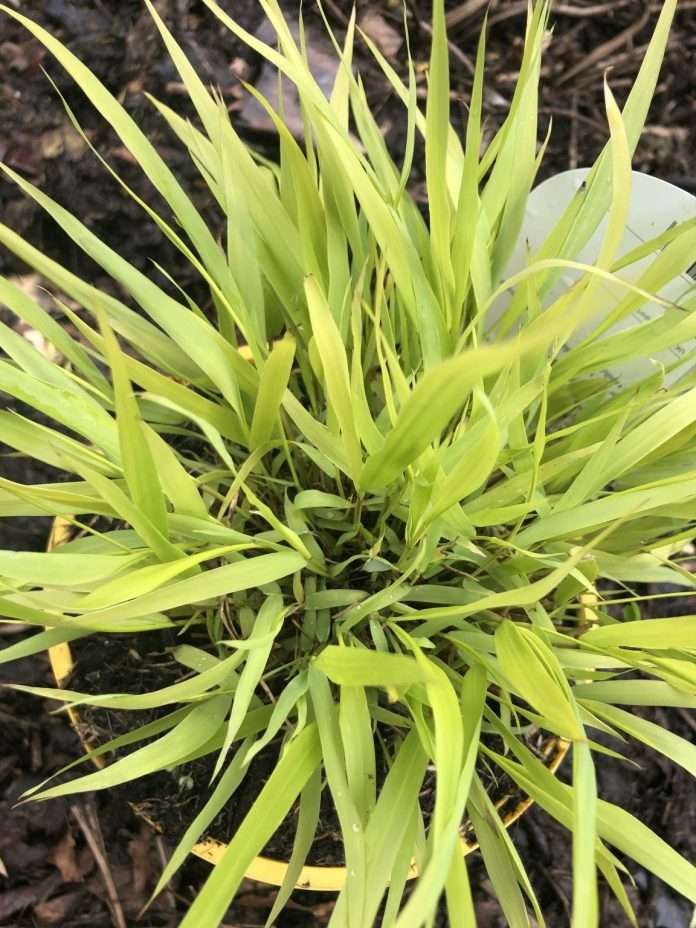
Hakonechloa macra, often called Japanese forest grass, is one of the best ornamental grasses for shade and dappled light. Unlike most grasses that demand sun, Hakonechloa truly shines in cooler, sheltered parts of the garden where its arching foliage can spill and soften hard edges.

The Ideal Position

Hakonechloa is happiest in a position that mimics its natural woodland habitat.

  • Light:
    Best in partial shade or dappled shade. Morning sun with afternoon shade is ideal.
    Full shade is tolerated, though growth will be slower.
    Full sun can scorch the leaves, especially on variegated or golden forms.
  • Shelter:
    Choose a sheltered spot, protected from strong winds, which can tatter the soft foliage.
  • Aspect:
    North- or east-facing borders, under trees, or along shaded paths are perfect locations.

Hakonechloa is particularly effective when planted where it can cascade—along steps, raised beds, retaining walls, or at the front of shaded borders.


Hakonechloa Grow Guide

Soil Requirements

Hakonechloa prefers:

  • Moist but well-drained soil
  • Rich in organic matter

Dry soil will cause the plant to struggle, while waterlogged ground can lead to rot. Improving soil with compost or well-rotted organic matter before planting will give the best results.

Soil pH:
Not fussy. It grows well in slightly acidic to neutral soil.


Watering

  • Keep the soil consistently moist, especially during the first growing season.
  • Once established, it is fairly resilient but will still appreciate watering during prolonged dry spells.

Feeding

  • Feed in spring with a general-purpose fertiliser or a mulch of garden compost.
  • Avoid high-nitrogen feeds, which can cause soft, floppy growth.

Maintenance

Hakonechloa is low maintenance but benefits from a little seasonal care:

  • Winter:
    Leave foliage in place to protect the crown.
  • Spring:
    Cut back old growth once new shoots appear.
  • Dividing:
    Divide clumps every 3–4 years in spring to maintain vigour.

Spacing

  • Allow 45–60cm between plants.
  • It forms a neat, spreading clump rather than running aggressively.

Best Companion Plants

Hakonechloa works beautifully with:

  • Ferns
  • Hostas
  • Heucheras
  • Epimediums
  • Shade-tolerant Japanese maples

Its flowing habit contrasts particularly well with bold-leaved plants.


Common Problems

  • Scorched leaves: Too much sun or dry soil
  • Poor growth: Soil too dry or too impoverished
  • Rot: Poor drainage, especially in winter

In Summary

Hakonechloa is best planted in:

  • Partial to dappled shade
  • Sheltered positions
  • Moist, fertile, well-drained soil

Get the location right, and Hakonechloa will reward you with graceful, arching foliage that brings movement and elegance to shady areas of the garden.
spot_img

lOOKING FOR MORE WORK?

The free and easy way to get more customers. Just join Find Local Gardeners.

Melianthus major, commonly known as honey bush or giant honey flower, is an unusual and attractive perennial plant native to South Africa. It has...
Rodgersia ‘Bronze Peacock’ is a striking perennial plant known for its bronze-colored foliage and attractive plumes of flowers. It grows to about one meter...
Salvia ‘Amistad’ is a beautiful perennial plant known for its striking deep purple flowers and velvety green leaves. Here’s a guide on how to...
Digiplexis ‘Falcon Fire’ is considered to be marginally frost hardy. It is typically hardy in USDA hardiness zones 8-10, where it can withstand temperatures...
To grow oakleaf hydrangeas (Hydrangea quercifolia), you need to provide them with the right growing conditions and follow a few basic care guidelines. Here’s...

How to grow Melianthus Major

Melianthus major, commonly known as honey bush or giant honey flower, is an unusual and attractive perennial plant native to South Africa. It has unique blue-green foliage and produces interesting reddish-brown flowers. Here’s a guide on how to grow...

How to grow and care for Rodgersia ‘Bronze Peacock’

Rodgersia ‘Bronze Peacock’ is a striking perennial plant known for its bronze-colored foliage and attractive plumes of flowers. It grows to about one meter tall. Here’s a guide on how to grow and care for this beautiful plant: Planting and...

How to grow Salvia Amistad

Salvia ‘Amistad’ is a beautiful perennial plant known for its striking deep purple flowers and velvety green leaves. Here’s a guide on how to grow Salvia ‘Amistad’: Climate and location: Salvia ‘Amistad’ thrives in warm climates, ideally in USDA hardiness...

Digiplexis ‘Falcon Fire’

Digiplexis ‘Falcon Fire’ is considered to be marginally frost hardy. It is typically hardy in USDA hardiness zones 8-10, where it can withstand temperatures down to about 20°F (-6°C). In colder regions, it may not survive freezing temperatures and...

Continue reading

How to grow Melianthus Major

Melianthus major, commonly known as honey bush or giant honey flower, is an unusual and attractive perennial plant native to South Africa. It has unique blue-green foliage and produces interesting reddish-brown flowers. Here’s a guide on how to grow...

How to grow and care for Rodgersia ‘Bronze Peacock’

Rodgersia ‘Bronze Peacock’ is a striking perennial plant known for its bronze-colored foliage and attractive plumes of flowers. It grows to about one meter tall. Here’s a guide on how to grow and care for this beautiful plant: Planting and...

How to grow Salvia Amistad

Salvia ‘Amistad’ is a beautiful perennial plant known for its striking deep purple flowers and velvety green leaves. Here’s a guide on how to grow Salvia ‘Amistad’: Climate and location: Salvia ‘Amistad’ thrives in warm climates, ideally in USDA hardiness...

SUBSCRIBE TO OUR YOUTUBE CHANNEL

Plant advice for unusual species plus updates from our tropical garden

SUBSCRIBE