
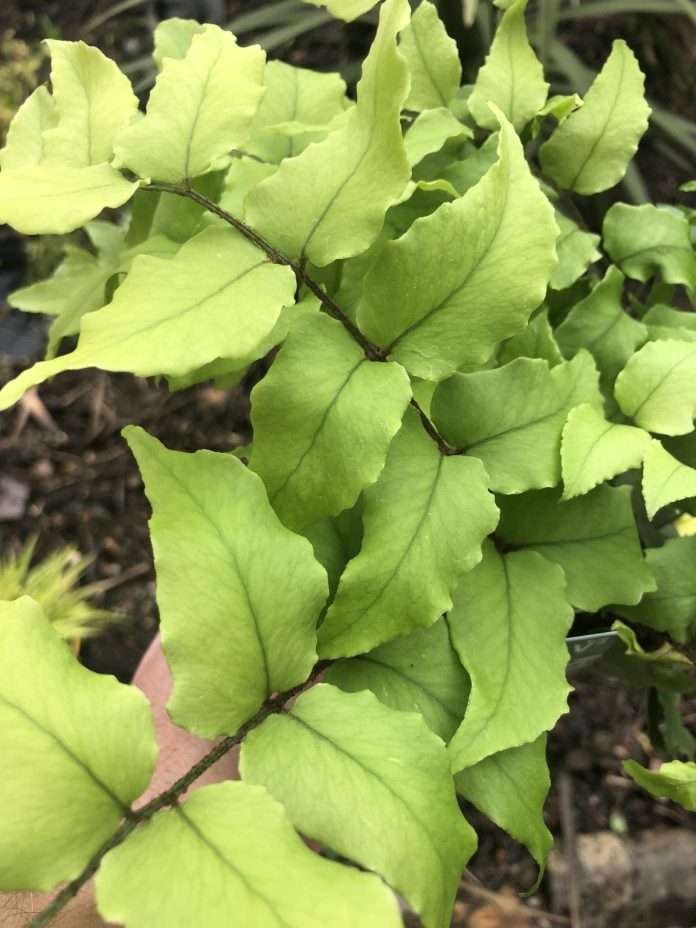
Cyrtomium fortunei ‘Clivicola’
Botanical Name: Cyrtomium fortunei ‘Clivicola’
Common Name: Fortune’s Holly Fern
Family: Dryopteridaceae
Plant Type: Evergreen fern, clumping perennial
Description
Cyrtomium fortunei ‘Clivicola’ is an attractive evergreen fern forming neat clumps of glossy, deeply lobed fronds. It is valued for its architectural, dark green foliage and tolerance of shaded, woodland-style sites. Unlike many ferns, it is relatively hardy and slow-growing, making it ideal for year-round structure in borders or containers.
Growing Conditions
- Position: Full shade to partial shade. Prefers sheltered, woodland-style locations.
- Soil: Moist, humus-rich, well-draining soil. Prefers slightly acidic to neutral soil.
- Hardiness: RHS H4–H5; USDA Zones 7–9. Hardy in most of the UK if sheltered.
- Climate: Prefers temperate, humid conditions; protect from strong winds in exposed sites.
Planting
- Timing: Spring or autumn.
- Spacing: 45–60 cm between plants to allow clump expansion.
- Preparation: Dig a hole twice the size of the root ball, enrich with leaf mould or compost, water well after planting.
Watering & Feeding
- Watering: Keep soil consistently moist, especially in summer. Avoid waterlogging.
- Feeding: Apply a slow-release, balanced fertilizer in spring. Mulch annually with leaf mould to retain moisture and feed the soil.
Pruning & Maintenance
- Pruning: Remove any damaged, dead, or yellowing fronds in late winter or early spring.
- Maintenance: Generally low-maintenance; dividing clumps every 4–5 years encourages vigour.
Propagation
- Method: Division in early spring.
- Instructions:
- Lift mature clumps carefully.
- Separate into smaller sections with healthy roots.
- Replant immediately in prepared soil, water well.
Pests & Problems
- Slugs and snails – occasionally damage young fronds.
- Scale or mealybugs – rare; inspect container-grown plants.
- Leaf browning – usually from drought or dry winds; mulch and water regularly.
Uses in the Garden
- Ideal for shaded borders, woodland gardens, and underplanting larger shrubs.
- Works well in containers for patios or shaded terraces.
- Provides evergreen structure year-round, complementing flowering perennials.
Flowering & Fragrance
- This fern is grown for foliage, not flowers. It does not flower.
Winter Care
- Hardy in most of the UK; in exposed sites, provide winter mulch to protect roots.
- Container-grown plants should be placed in a sheltered, frost-free location.
✅ Quick Care Checklist
- Sun: Shade to partial shade
- Soil: Moist, humus-rich, well-drained
- Water: Regular, avoid waterlogging
- Feed: Slow-release fertilizer in spring, mulch annually
- Prune: Remove damaged fronds in late winter
- Flowering: Foliage-focused
- Hardy: RHS H4–H5; USDA 7–9