
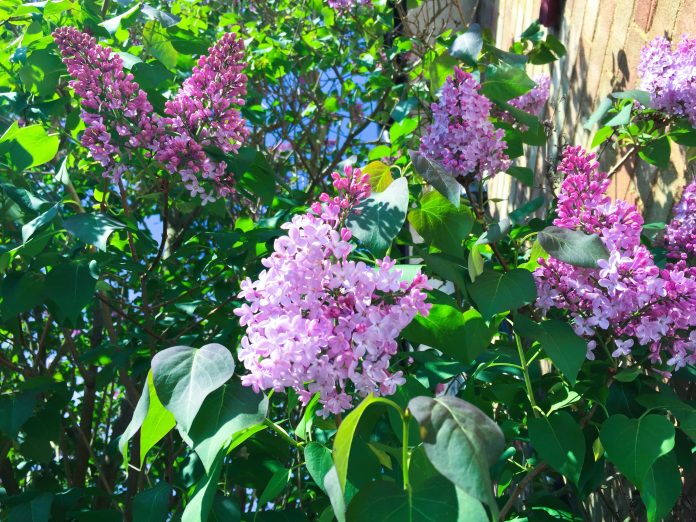
Plant Grow Guide: Syringa (Lilac)
Taxonomy
- Scientific Name: Syringa spp.
- Family: Oleaceae
- Common Names: Lilac
Origin
- Native Range: Southeastern Europe to eastern Asia.
Plant Type
- Type: Deciduous shrub or small tree
Position
- Light: Full sun
- Exposure: Sheltered or exposed
Soil
- Type: Well-drained, loamy soils
- pH: Neutral to slightly alkaline
- Moisture: Moist but well-drained
Size
- Height: 2 to 6 meters (6-20 feet), depending on variety
- Spread: 2 to 4 meters (6-13 feet)
Hardiness
- RHS Hardiness Rating: H6 (Hardy to -20 to -15°C)
- USDA Zone: 3-7
When and How to Plant
- When to Plant: Autumn or early spring.
- How to Plant:
- Choose a sunny location with well-drained soil.
- Dig a hole twice as wide and the same depth as the root ball.
- Place the plant in the hole, backfill with soil, and water thoroughly.
- Mulch around the base to retain moisture and suppress weeds.
Flowering
- When it Flowers: Late spring to early summer (May to June).
- Description: Panicles of fragrant, tubular flowers in shades of purple, pink, white, or blue.
How and When to Prune
- When to Prune: Immediately after flowering (late spring to early summer).
- How to Prune:
- Remove spent flower heads to prevent energy going into seed production.
- Thin out overcrowded branches to improve air circulation.
- Cut back one-third of the oldest stems to encourage new growth.
How to Propagate
- Softwood Cuttings (Early summer):
- Take 10-15 cm (4-6 inch) cuttings from new growth.
- Dip cuttings in rooting hormone and plant in a mix of compost and sand.
- Keep moist and in a warm, shaded spot until rooted.
- Hardwood Cuttings (Autumn):
- Take 20-30 cm (8-12 inch) cuttings from mature stems.
- Plant directly into the ground or pots in a sheltered location.
- Suckers:
- Remove young shoots (suckers) growing from the base of the plant in spring or autumn and replant them.
Pests and Diseases
- Pests:
- Lilac borer: Prevent by keeping plants healthy and stress-free.
- Aphids: Treat with insecticidal soap or a strong water spray.
- Diseases:
- Powdery mildew: Ensure good air circulation; treat with fungicide if severe.
- Bacterial blight: Remove and destroy affected leaves and branches.
Best Varieties
- Common Lilac (Syringa vulgaris): ‘Madame Lemoine’ (double white), ‘Charles Joly’ (double magenta).
- Persian Lilac (Syringa x persica): ‘Ivory Silk’ (creamy white).
- Korean Lilac (Syringa meyeri): ‘Palibin’ (compact, pale purple).
- Japanese Tree Lilac (Syringa reticulata): ‘Snowdance’ (creamy white).
- Dwarf Varieties: ‘Bloomerang’ (reblooming purple), ‘Tinkerbelle’ (pink).
Companion Plants
- Plants it Goes Well With:
- Spring-flowering bulbs like tulips (Tulipa spp.) and daffodils (Narcissus spp.).
- Perennials like peonies (Paeonia), columbines (Aquilegia), and irises (Iris).
- Shrubs like spirea (Spiraea), weigela (Weigela), and viburnum (Viburnum).
History and Interesting Facts
History
Lilacs have been cherished in gardens for centuries. They were brought to Europe from the Ottoman Empire in the 16th century and quickly gained popularity for their fragrant blooms. In the Victorian language of flowers, lilacs symbolized first love and youthful innocence. Today, they are celebrated in festivals across the world, such as the Rochester Lilac Festival in the United States.
Interesting Facts
- The genus name “Syringa” comes from the Greek word “syrinx,” meaning tube, referring to the tubular shape of the flowers.
- Lilacs are known for their intoxicating fragrance, which has made them a favorite for perfumes and potpourri.
- In folklore, lilacs are thought to ward off evil spirits and bring good luck.
- The “French lilacs” commonly found in gardens are hybrids bred for larger flowers and a broader color range.
- Lilacs are drought-tolerant once established, making them a low-maintenance choice for sunny gardens.
Additional Care Tips
- Avoid overwatering; lilacs prefer slightly dry conditions once established.
- Fertilize in early spring with a balanced, slow-release fertilizer.
- Mulch annually to retain moisture and suppress weeds, but keep mulch away from the base of the plant.
This guide ensures that your lilacs thrive and fill your garden with their stunning blooms and captivating fragrance year after year!