
The Newspaper For Gardeners

December Gardening Tips From...

Ooohhhhh …it's nearly here…Christmas! A time for cosy evenings by the fire and...

Looking Out for Hedgehogs...

Hedgehogs are some of the most endearing creatures in our gardens, but winter...

Protecting Your Plants from...

Winter can be a challenging time for gardeners, particularly when wildlife like deer...

Winter Compost: Digging Out...

Winter is an excellent time to dig out your compost heap and spread...
Tuesday, December 23, 2025
HomeDiscoverWhere Did the...

Where Did the Word ‘Orange’ Come From?

Orange: The History, Language, and Legacy in the UK

Orange, the fruit that dazzles with its vibrant hue, has a rich history that weaves through language, culture, and tradition. From its linguistic origins to its introduction in Britain, this fruit has shaped the way we describe colors and brightened British customs. Let’s explore its fascinating journey, highlighting key moments and figures.


1. Where Did the Word ‘Orange’ Come From?

The word “orange” originates from the Sanskrit “nāraṅga” (नारङ्ग), meaning “orange tree,” recorded around 500 BCE. As it traveled west, the term adapted:

  • Persian: “nārang”
  • Arabic: “nāranj”
  • Spanish: “naranja”
  • French: “orenge” (12th century).

The word entered Middle English around 1400 CE, initially describing the fruit. Its use to denote the color followed in 1512 CE.


2. When Did Oranges Arrive in Britain?

Oranges arrived in Britain during the medieval period, likely in the late 13th century via Mediterranean trade routes. Initially rare and expensive, they became a prized delicacy for royalty and the elite.

In 1507, oranges featured in a fascinating piece of correspondence: Margaret Tudor, daughter of King Henry VII, wrote to her brother King Henry VIII requesting “a small quantity of oranges” to be sent to her in Scotland. This letter underscores the value placed on oranges at the time, as they were a luxury item not readily available in northern regions.


3. What Did People Call the Color Before “Orange”?

Before “orange” described the color, English speakers used terms like “yellow-red” or “saffron.” The fruit’s introduction to Europe during the medieval period inspired its name to become synonymous with its distinct hue by 1512 CE.


4. Oranges in British Culture

  • Marmalade (1714): Seville oranges became essential for marmalade, with early recipes appearing in the early 18th century.
  • Christmas Tradition (19th Century): Oranges were cherished Victorian stocking fillers, symbolizing prosperity.
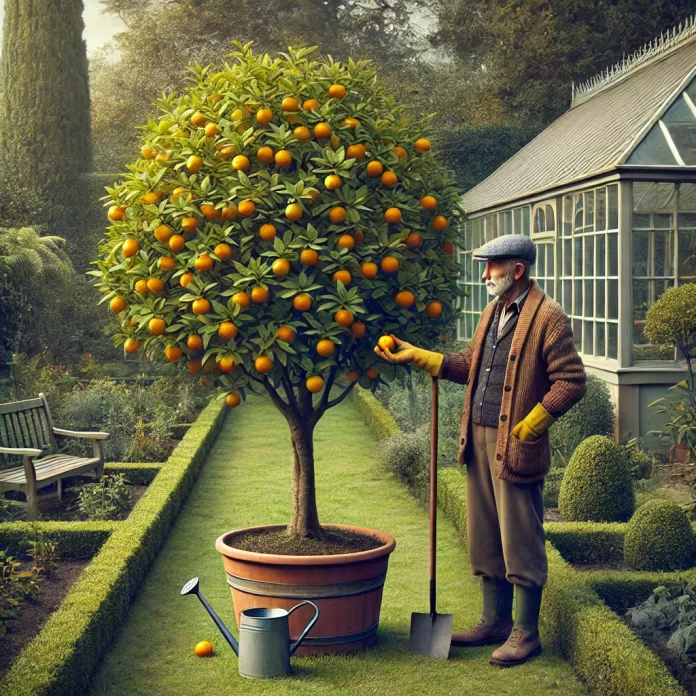
  • Orangeries (17th Century): Wealthy estates built orangeries to cultivate citrus trees, with Kensington Palace’s orangery (1704) being one of the most famous examples.

5. Oranges as a Lifesaver

In 1747, James Lind’s experiments proved that citrus fruits, including oranges, prevented scurvy, making them essential for British sailors until limes took precedence in the 19th century.


Oranges have journeyed from exotic luxuries to everyday delights, leaving a lasting legacy in British culture. From Margaret Tudor’s 1507 request for oranges to their central role in Christmas traditions, this fruit’s story reflects centuries of trade, innovation, and tradition.
spot_img

lOOKING FOR MORE WORK?

The free and easy way to get more customers. Just join Find Local Gardeners.

Garden mazes and labyrinths have a long and fascinating history, appearing in ancient myths, religious sites, and grand estates across Europe. While they were...
🌿 Amazing Aphid Facts You Might Not Know! 🐜✨ Aphids—tiny but mighty! These little sap-suckers might be a gardener’s headache, but they have some fascinating...
Grafting is an ancient horticultural technique that allows gardeners to combine the best traits of different plants, creating stronger, more productive specimens. While most...
Clay soil can be both a blessing and a curse in the garden. It’s rich in nutrients and holds moisture well, but poor drainage...
Have you ever bitten into a chilli pepper and felt like your mouth was on fire? That burning sensation isn’t actual heat—your brain is...

Defra Ministers appoint Sir Andrew Steer as Chair of the Board of Trustees of the Royal Botanic Gardens, Kew 

Monday, 22 December 2025 Sir Andrew Steer, a prominent global leader in sustainable development and climate change has been announced as the new Chair of RBG Kew, taking over from Dame Amelia Fawcett who held the post for two terms.    Sir Andrew’s appointment is for four years and...

BigPlantPots: Bold Design, Built for Growing Big

As gardeners continue to embrace statement planting and flexible outdoor design, one UK brand is helping both professionals and home growers think bigger. BigPlantPots specialises in oversized plant containers that combine strong visual design with serious growing capacity, making...

Green-tech ends the year on a high by surpassing its charity target for St Leonard’s Hospice

Green‑tech is delighted with the success of its 2025 charity fundraising campaign for St Leonard’s Hospice, York. Their efforts have raised over £1,600. Green‑tech is the UK’s leading landscape provider, supplying products that help create greener, more resilient and biodiverse spaces...

Conservation of Scotland’s rarest moss boosted by Air-Pot® innovation

THE TEAM at Royal Botanic Garden Edinburgh (RBGE) has been able to successfully cultivate one of Scotland’s rarest mosses – Round‑leaved bryum – during ex‑situ conservation trials with the help of Air-Pot® (December 2025). The Air-Pot container’s innovative design, which...

Continue reading

Defra Ministers appoint Sir Andrew Steer as Chair of the Board of Trustees of the Royal Botanic Gardens, Kew 

Monday, 22 December 2025 Sir Andrew Steer, a prominent global leader in sustainable development and climate change has been announced as the new Chair of RBG Kew, taking over from Dame Amelia Fawcett who held the post for two terms.    Sir Andrew’s appointment is for four years and...

BigPlantPots: Bold Design, Built for Growing Big

As gardeners continue to embrace statement planting and flexible outdoor design, one UK brand is helping both professionals and home growers think bigger. BigPlantPots specialises in oversized plant containers that combine strong visual design with serious growing capacity, making...

Green-tech ends the year on a high by surpassing its charity target for St Leonard’s Hospice

Green‑tech is delighted with the success of its 2025 charity fundraising campaign for St Leonard’s Hospice, York. Their efforts have raised over £1,600. Green‑tech is the UK’s leading landscape provider, supplying products that help create greener, more resilient and biodiverse spaces...

SUBSCRIBE TO OUR YOUTUBE CHANNEL

Plant advice for unusual species plus updates from our tropical garden

SUBSCRIBE