Preserving vegetables is a wonderful way to enjoy your garden’s bounty all year round. One of the most effective and easy methods is blanching. This technique, which involves briefly boiling or steaming vegetables before freezing, helps to preserve their texture, color, and nutrients while preventing spoilage. Here’s a step-by-step guide to blanching, which vegetables are suitable, and how long you can expect them to last.
What Is Blanching?
Blanching is the process of briefly cooking vegetables in boiling water or steam, followed by quickly cooling them in ice water. This method stops enzymatic processes that can cause vegetables to lose quality over time. It also helps to loosen skins (useful for tomatoes or peaches) and reduce microorganisms on the surface. Most importantly, it preserves the vibrant color, texture, and nutritional value of the vegetables.
Vegetables Suitable for Blanching
Most vegetables can be blanched before freezing, but the exact technique and time depend on the type of vegetable. Commonly blanched vegetables include:
- Green beans
- Carrots
- Broccoli
- Cauliflower
- Spinach and other leafy greens
- Peas
- Corn kernels
- Asparagus
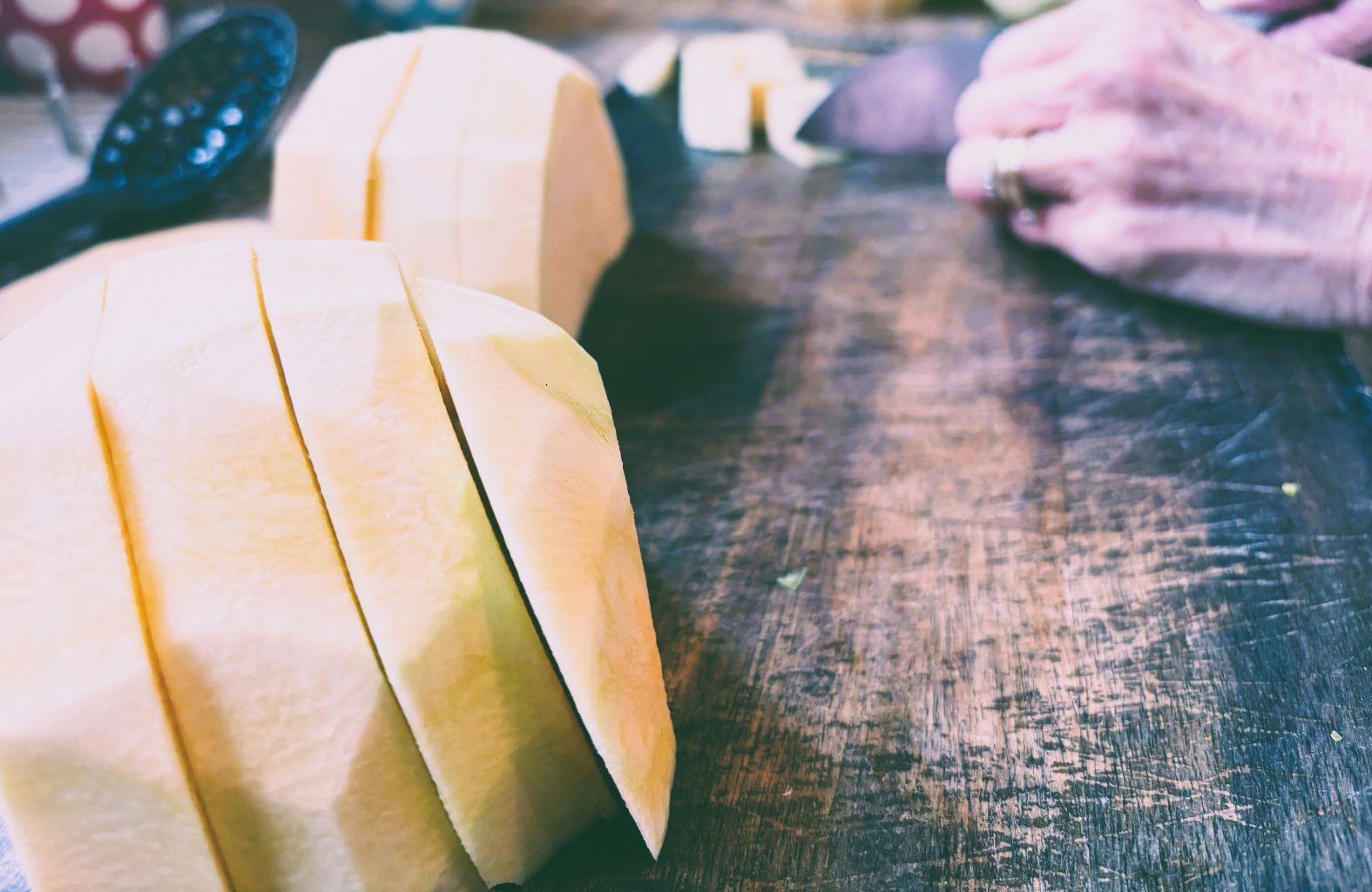
- Swede (rutabaga)
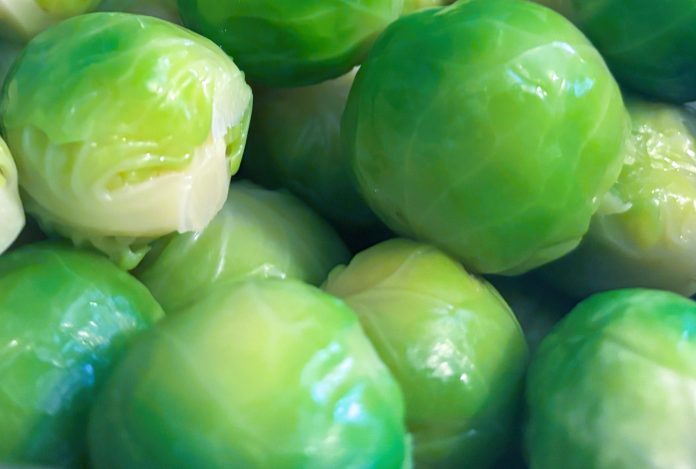
- Brussels sprouts
Certain vegetables like onions, peppers, and herbs do not require blanching before freezing, as they naturally maintain their quality without this step.
How to Blanch Vegetables
- Prepare the Vegetables: Wash the vegetables thoroughly and cut them into the desired size. For example, trim the ends of green beans, peel and slice carrots, or separate broccoli into florets.
- Boil Water: Fill a large pot with water and bring it to a rolling boil. For every pound of vegetables, use about one gallon of water.
- Blanch: Add the vegetables to the boiling water. Work in small batches to ensure even blanching. Use the recommended blanching times for each vegetable (see chart below).
- Ice Bath: As soon as the blanching time is up, quickly transfer the vegetables to a large bowl of ice water. This stops the cooking process and helps retain texture and color.
- Drain and Dry: Once the vegetables are completely cool, drain them thoroughly and pat them dry to remove excess water. Excess moisture can cause ice crystals to form during freezing.
- Pack and Freeze: Place the blanched vegetables in airtight freezer bags or containers. Label them with the date and vegetable name before freezing.
Recommended Blanching Times
| Vegetable | Blanching Time |
|---|---|
| Green beans | 3 minutes |
| Carrots (sliced) | 2 minutes |
| Broccoli | 3 minutes |
| Cauliflower | 3 minutes |
| Spinach | 2 minutes |
| Peas | 1.5 minutes |
| Corn kernels | 4 minutes |
| Asparagus | 2-4 minutes |
| Swede (diced) | 3 minutes |
| Brussels sprouts | 3-5 minutes |
Storage and Shelf Life
Blanched and frozen vegetables can typically be stored for up to 12 months in a freezer set to 0°F (-18°C). After this period, they are still safe to eat but may begin to lose quality in terms of flavor and texture. To ensure the best results, always use airtight containers or freezer bags to prevent freezer burn.
Tips for Success
- Avoid Overblanching: Overcooking can cause vegetables to lose flavor, texture, and nutrients. Stick to the recommended blanching times.
- Work Quickly: The faster you move the vegetables from the boiling water to the ice bath, the better the results.
- Label Your Freezer Bags: Keeping track of dates and contents ensures you use your frozen vegetables while they’re at their peak.
Blanching is a simple yet effective technique to preserve the fresh taste of vegetables long after the harvest. With a little effort, you can enjoy the flavors of summer even in the depths of winter!