
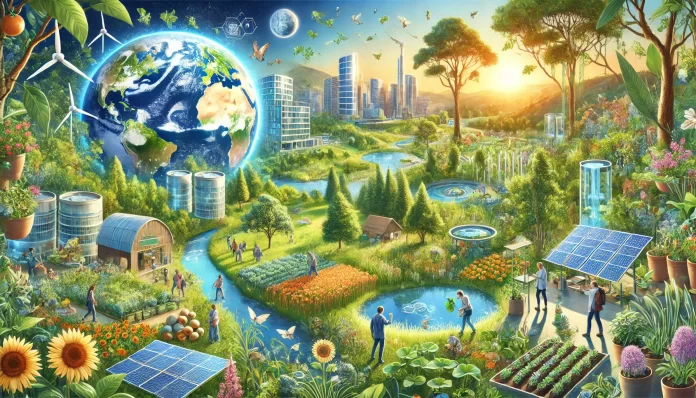
Plants and Scientific Innovations: Plants in the Future
In the modern era, plants are no longer seen as passive providers of food and oxygen. They have become a key focus of scientific innovation, offering solutions to some of humanity’s most pressing challenges. Through advances in biotechnology, synthetic biology, and genetic engineering, scientists are uncovering new ways to use plants in medicine, materials, energy, and even space exploration.
1. Plants as Medicine Factories
For centuries, plants have been the foundation of traditional and modern medicine, but recent breakthroughs are pushing this relationship into new territory.
- Plant-Derived Pharmaceuticals: Many life-saving drugs come from plants, such as:
- Taxol, derived from the Pacific yew tree, used in cancer treatment.
- Artemisinin, extracted from sweet wormwood, which revolutionized malaria treatment.
- Genetically Modified Plants: Scientists are engineering plants to produce vaccines and therapeutic proteins. For example, tobacco plants have been modified to create antibodies for diseases like Ebola.
This innovation, sometimes called “pharming,” allows for scalable and cost-effective production of complex medicines.
2. Bioengineering and Synthetic Biology
Synthetic biology is transforming how we view plants—not just as organisms, but as platforms for engineering.
- Bioplastics and Biomaterials: Plants like corn, sugarcane, and algae are used to create biodegradable plastics and sustainable materials. These innovations reduce dependence on petroleum-based plastics and offer eco-friendly alternatives.
- Glowing Plants: Researchers have introduced bioluminescent genes from fireflies and marine organisms into plants, creating glow-in-the-dark greenery. These plants could one day serve as natural streetlights or decorative lighting.
- Carbon Capture Plants: Engineering plants with enhanced carbon uptake capabilities could provide a powerful tool in combating climate change.
3. Plants as Renewable Energy Sources
The quest for sustainable energy has turned to plants as a renewable resource.
- Biofuels: Crops like sugarcane, maize, and algae are converted into ethanol and biodiesel, providing cleaner alternatives to fossil fuels.
- Solar Mimicry: Scientists are studying photosynthesis to develop artificial systems that generate energy more efficiently than solar panels.
- Plant-Based Hydrogen: Researchers are exploring ways to use algae to produce hydrogen, a potential clean energy source for the future.
4. Food Security and Genetic Engineering
As the global population grows, ensuring a stable food supply is critical. Plants are at the forefront of this challenge.
- Genetically Modified Crops (GMOs): Plants have been engineered to:
- Resist pests and diseases (e.g., Bt corn).
- Tolerate extreme weather conditions like drought or salinity.
- Enhance nutritional content (e.g., Golden Rice enriched with Vitamin A).
- Vertical Farming: Innovations in indoor farming, using LED lights and hydroponic systems, allow plants to grow in urban areas, reducing land use and transportation costs.
5. Plants in Space Exploration
As humanity looks to colonize other planets, plants are becoming an essential part of space exploration.
- Oxygen Production: Plants are natural air purifiers, turning carbon dioxide into oxygen. This makes them vital for long-term space missions.
- Food Growth in Space: Experiments aboard the International Space Station (ISS) have shown that crops like lettuce, radishes, and wheat can grow in microgravity, paving the way for sustainable space agriculture.
- Psychological Benefits: Greenery has been shown to improve mental well-being, even in the harsh environment of space.
6. Exploring the Microbiome
Plants have a complex relationship with the microorganisms that live on their roots, leaves, and stems. These microbes play a critical role in plant health and productivity.
- Soil Microbiome: Studies of beneficial bacteria and fungi are leading to natural alternatives to fertilizers and pesticides.
- Probiotic Plants: Engineering plants with specific microbial communities can enhance growth, drought tolerance, and resistance to disease.
The Future of Plant Science
The possibilities for plants in science and technology are nearly limitless. As we learn to harness their potential, plants are becoming not only a solution to today’s problems but also a foundation for the innovations of tomorrow.