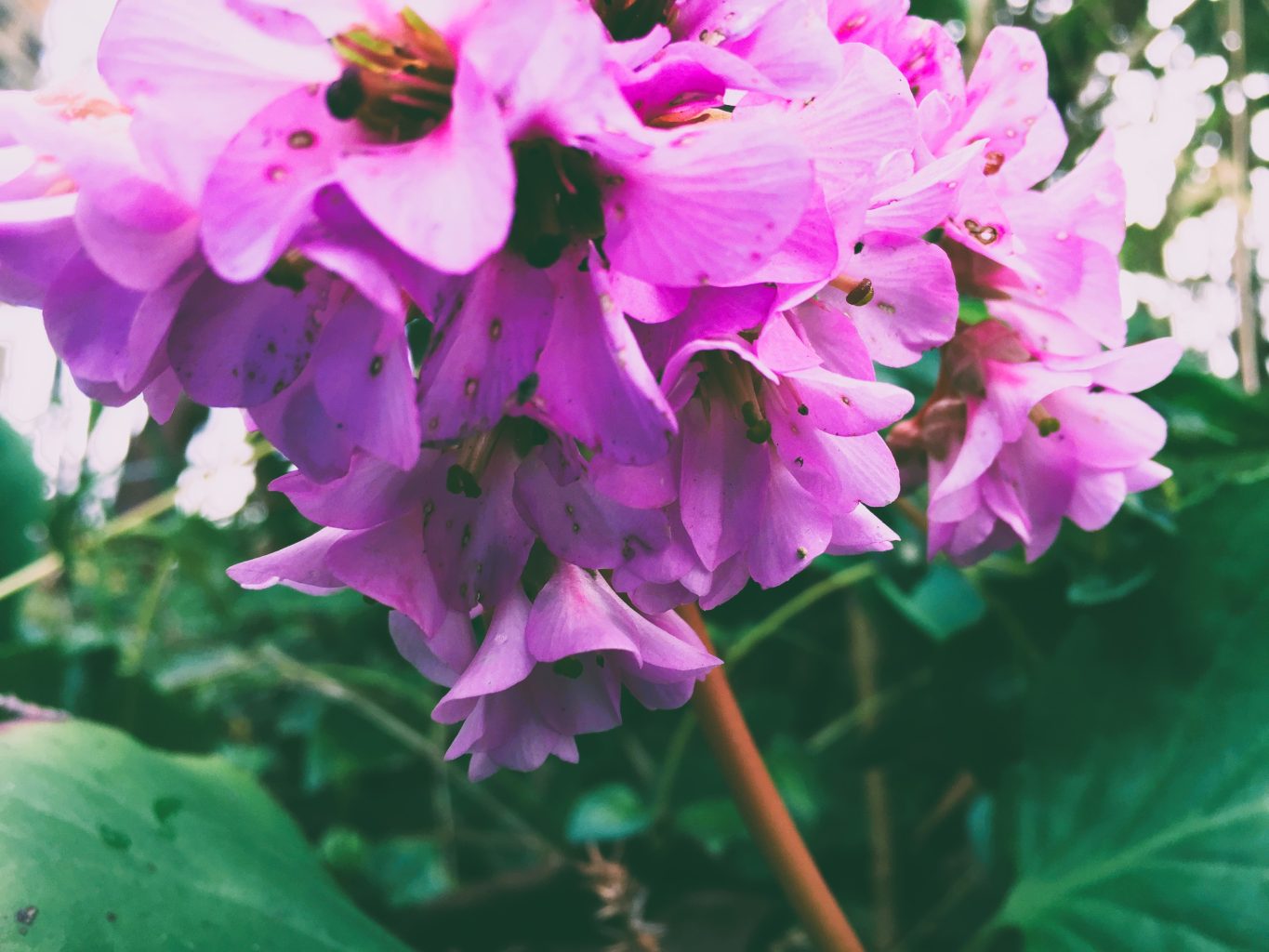
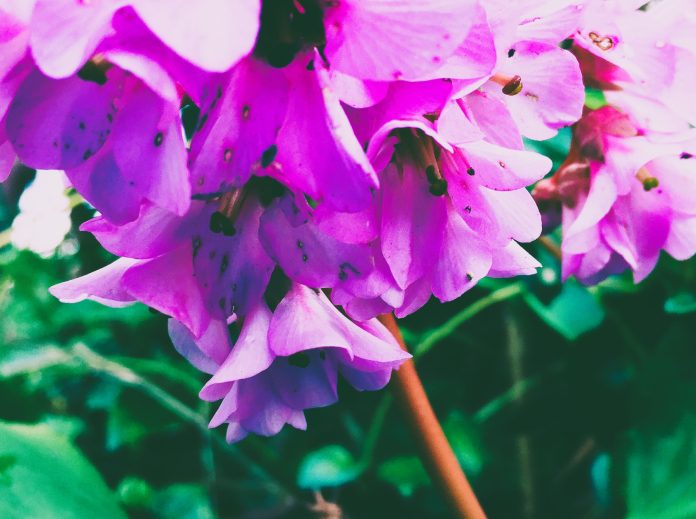
Bergenia, often called “Elephant’s Ears” for its large, glossy leaves, is a hardy perennial perfect for UK gardens. Its bold evergreen foliage and clusters of pink, purple, or white flowers add beauty and structure year-round. With proper care, bergenia can thrive in borders, woodland gardens, or shaded areas.
Choosing the Right Bergenia
Popular varieties for UK gardens include:
- Bergenia cordifolia: Classic with pink flowers and robust leaves.
- Bergenia ‘Purpurea’: Features rich purple-tinted foliage in winter.
- Bergenia ‘Bressingham Ruby’: Ruby-red flowers and vibrant winter foliage.
Planting Bergenia
- When to Plant
- Plant bergenias in March to May or September to November.
- Location
- Bergenia thrives in partial shade but tolerates full sun.
- It adapts to most soil types, including clay, as long as the soil drains well.
- Spacing
- Space plants 30–45 cm apart to allow them to spread.
- Soil Preparation
- Work compost or well-rotted manure into the soil to improve fertility. Bergenia prefers neutral to slightly alkaline conditions.
Caring for Bergenia
- Watering
- Water regularly during the first growing season (March to September) to establish plants.
- Once established, bergenia is drought-tolerant but benefits from occasional watering during dry spells.
- Feeding
- Apply a general-purpose fertiliser in March or April to boost growth and flowering.
- Pruning
- In February to March, remove damaged or tatty leaves. This tidies the plant and encourages fresh growth.
- Cut back flower stems after blooming, typically in April to May.
- Pest and Disease Control
- Bergenia is resistant to most pests but may occasionally attract slugs, snails, or vine weevils. Protect young plants and check for damage.
Seasonal Care Guide
- January to February: Enjoy bergenia’s evergreen foliage, which often turns red or bronze in cold weather.
- March to May: Bergenias bloom, with flower clusters appearing on upright stems. Tidy up foliage and feed the plants.
- June to August: The glossy green leaves provide ground cover and pair well with summer perennials.
- September to November: Divide plants if needed and watch the foliage develop rich autumn colours.
- December: Leave the foliage intact for winter interest. Bergenia provides year-round greenery in the garden.
Companion Planting
Bergenia pairs beautifully with:
- Spring bulbs: Snowdrops, crocuses, or daffodils for a vibrant display in February to April.
- Ferns and hostas: Complement bergenia’s bold leaves with finer textures.
- Heucheras and ornamental grasses: Add contrasting foliage and colour throughout the year.
Propagation
- Division
- Divide clumps in March to May or September to October. Lift the plant, separate healthy sections, and replant immediately.
- Seeds
- Collect seeds in June after flowering. Sow them in trays of moist compost and keep in a cool, bright spot. Germination can take time.
Conclusion
Bergenia is an enduring choice for UK gardens, requiring little maintenance and providing interest throughout the year. Whether brightening shady corners, lining pathways, or creating ground cover, bergenia is a reliable plant that rewards gardeners with beautiful foliage and flowers month after month.