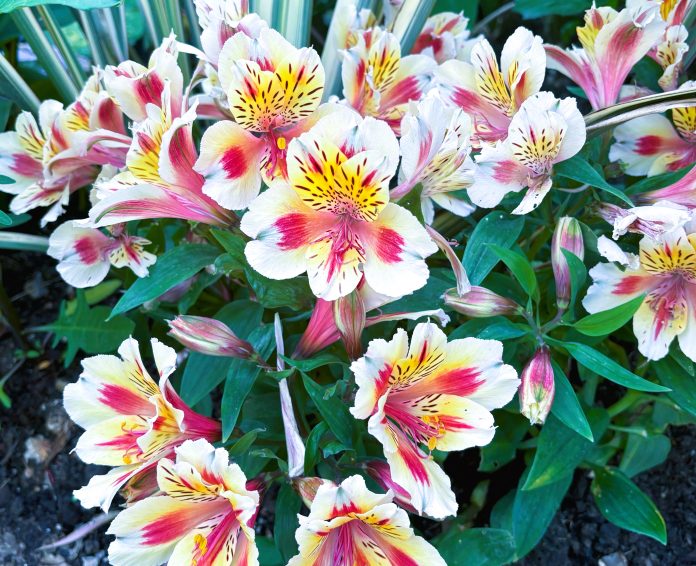
Alstroemeria, commonly known as the Peruvian lily or lily of the Incas, is a versatile and long-lasting perennial that has become a favourite in UK gardens. Known for its vibrant, lily-like blooms in shades of orange, pink, yellow, red, and white, Alstroemeria adds colour to borders and makes excellent cut flowers. While originally from South America, modern hybrids are well-suited to the UK climate, thriving with minimal care once established.
Here’s how to grow and care for these stunning plants.
Choosing the Right Variety
Alstroemerias come in a range of sizes and colours. Some popular varieties include:
- ‘Indian Summer’: Striking orange blooms with bronze foliage.
- ‘Inca Ice’: Pale peach flowers with a hint of pink, perfect for borders.
- ‘Princess Kate’: Compact and ideal for containers.
- ‘Inticancha Series’: Dwarf varieties bred for pots and small gardens.
Planting Alstroemeria
- When to Plant: Alstroemerias can be planted in spring (March–May) or autumn (September–October). If planting in autumn, ensure the soil is free-draining to prevent frost damage.
- Where to Plant: Choose a sunny or partially shaded spot with fertile, well-drained soil. Alstroemerias prefer a sheltered position, protected from strong winds.
- Planting Depth: Plant tubers 15–20cm (6–8 inches) deep, with the growing points facing upwards. Space plants about 30–60cm (12–24 inches) apart, depending on the variety.
Caring for Alstroemeria
- Watering: Water well after planting and keep the soil moist during the growing season. Once established, Alstroemerias are relatively drought-tolerant but benefit from regular watering during dry spells.
- Feeding: Apply a balanced fertilizer in spring and again mid-season to encourage vigorous growth and abundant blooms. A high-potash feed, such as tomato fertilizer, can boost flowering.
- Mulching: Add a layer of organic mulch, such as well-rotted compost or bark chips, around the base of the plants to retain moisture and suppress weeds.
- Weeding: Alstroemerias dislike competition, so keep the area around them weed-free.
Deadheading and Pruning
- Pull, Don’t Cut: To encourage more blooms, gently pull spent flower stems from the base rather than cutting them. This method stimulates new growth.
- Tidying in Autumn: Remove any dead foliage and spent stems at the end of the growing season.
Overwintering
- Hardy Varieties: Modern hybrids are more winter-hardy than older varieties. In mild areas, they can survive winters without protection.
- In Colder Areas: Apply a thick layer of mulch (straw or compost) around the base of plants in late autumn to insulate the tubers from frost.
- Container Plants: Move pots to a frost-free greenhouse or conservatory during winter.
Propagation
- Dividing Clumps: Divide established clumps every 2–3 years in spring or early autumn to rejuvenate plants and increase stock.
- Seed Sowing: Alstroemeria seeds can be sown in early spring, but this method is slow and may not produce plants true to the parent variety.
Common Problems
- Slugs and Snails: These pests can damage young shoots. Use barriers, traps, or slug pellets to protect your plants.
- Crown Rot: Poor drainage can lead to crown rot. Ensure soil is well-drained and avoid overwatering.
- Aphids: These can occasionally infest plants. Control with insecticidal soap or by encouraging natural predators like ladybirds.
Using Alstroemeria in the Garden
- Borders: Plant Alstroemerias in mixed borders for a long-lasting display. Their upright habit pairs well with grasses and other perennials.
- Containers: Compact varieties are ideal for pots and can brighten patios and balconies. Use a loam-based compost for best results.
- Cut Flowers: Alstroemeria flowers are a florist’s favourite. Cut stems when buds are just opening, and they will last up to two weeks in a vase.
A Final Word
With their kaleidoscope of colours, extended flowering season, and ease of care, Alstroemerias are a must-have for UK gardeners. Whether you’re looking to fill your borders with vibrant colour or create showstopping arrangements, these hardy perennials won’t disappoint.
Would you like advice on incorporating Alstroemerias into your tropical-style garden?