Helianthus, commonly known as sunflowers, are vibrant and iconic plants that are loved for their towering heights, cheerful blooms, and edible seeds. Native to North America, they can grow in a wide range of climates, from small ornamental varieties perfect for containers to towering giants that dominate the garden. Whether you’re growing them for their beauty or their bounty, here’s how to cultivate Helianthus in your garden.
1. Choosing the Right Helianthus Variety
There are many different varieties of Helianthus, from towering annuals to perennial species. Here are some of the most popular types:
- Helianthus annuus: This is the classic annual sunflower that most people are familiar with. It can grow from 3 to 12 feet tall, depending on the variety, and produces large, iconic yellow flowers with dark centers. It’s also the type grown for sunflower seeds.
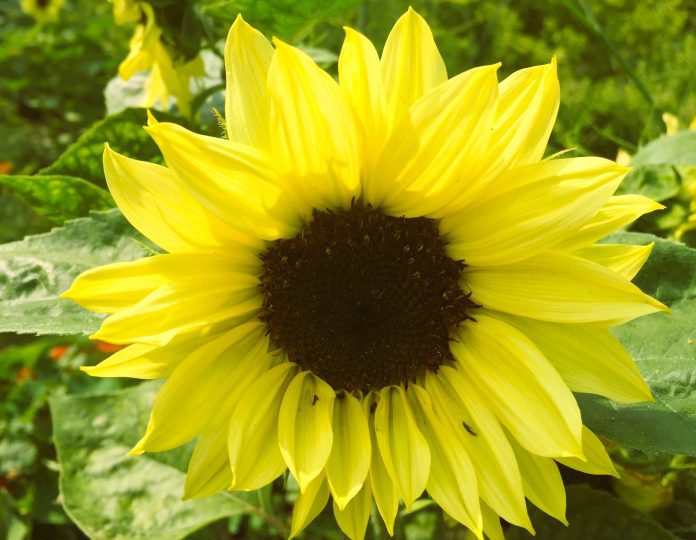
- Helianthus ‘Lemon Queen’: A beautiful perennial variety, this sunflower produces numerous pale yellow blooms on tall, sturdy stems. It’s a favorite for pollinators and a long bloomer, from mid-summer to fall.
- Helianthus ‘Italian White’: A stunning, smaller annual variety that features creamy-white petals with dark centers. This variety reaches a height of around 5 feet and is ideal for mixed borders.
- Helianthus ‘Autumn Beauty’: Known for its multi-colored blooms, ranging from golden yellow to bronze and burgundy, this annual variety can grow up to 7 feet tall. It’s a great choice for adding fall color to your garden.
- Helianthus ‘Teddy Bear’: A unique dwarf variety with fluffy, double-petaled blooms. It grows to about 2-3 feet tall, making it perfect for smaller spaces and containers.
- Helianthus tuberosus (Jerusalem artichoke): This is a perennial sunflower grown more for its edible tubers than for its flowers. It produces smaller yellow flowers but is valued for the knobby, flavorful roots it produces in fall.
2. Ideal Growing Conditions
Helianthus is a resilient plant that thrives in a variety of conditions, but it will perform best under certain growing parameters:
- Sunlight: Sunflowers love the sun! Plant them in a spot where they will receive full sun (6-8 hours of direct sunlight per day). The more sun they get, the bigger and stronger they will grow.
- Soil: Sunflowers grow best in well-drained, moderately fertile soil. They are not too picky about soil quality, but they do prefer slightly acidic to neutral soil (pH 6.0-7.5). Adding compost or organic matter will help ensure good growth.
- Watering: While sunflowers are drought-tolerant once established, regular watering is essential during their early stages of growth. Keep the soil moist, but not waterlogged, especially in the first few weeks after planting. After they have matured, sunflowers will only need supplemental water during prolonged dry periods.
- Climate: Helianthus can thrive in USDA Zones 3-9, making them a versatile choice for gardeners in many climates. They grow best in warm temperatures and are well-suited to the heat of summer.
3. Planting Helianthus
From Seeds:
- Timing: Sow seeds directly in the garden after the last frost. Sunflowers grow quickly, and starting them outdoors in their final position is often the best method.
- Spacing: Plant seeds 1 inch deep and space them 12-18 inches apart for standard varieties. For giant varieties, space them 24-36 inches apart to allow them ample room to spread and grow.
- Germination: Seeds usually germinate within 7-10 days if the soil is warm enough (above 55°F or 13°C).
From Transplants:
- Timing: Transplants can be planted outdoors once the soil has warmed and the threat of frost has passed.
- Depth: Ensure transplants are planted at the same depth as they were in their seedling containers. Water well after planting.
4. Caring for Helianthus
- Fertilizing: Sunflowers are not heavy feeders, but adding compost to the soil before planting can help promote healthy growth. If desired, you can apply a balanced, slow-release fertilizer once or twice during the growing season.
- Watering: Sunflowers are drought-tolerant, but consistent watering will encourage the best growth. Water deeply, especially during dry spells, but allow the soil to dry out between waterings to avoid root rot.
- Staking: Taller varieties of sunflowers may need support, especially in windy areas. Use sturdy stakes to prevent the plants from toppling over.
- Deadheading: If you are growing sunflowers for continuous blooms, deadheading spent flowers will encourage more flowers to form. However, if you’re growing them for seeds, leave the flowers on the plant to mature.
5. Harvesting Sunflower Seeds
If you’re growing sunflowers for seeds, follow these steps for harvesting:
- Wait for Maturity: Sunflower seeds are ready to harvest when the flower heads droop, and the back of the head turns brown. The seeds will become firm and easy to loosen from the head.
- Cut and Dry: Cut the flower head off the plant, leaving about a foot of stem. Hang the head upside down in a dry, well-ventilated area. Cover the flower head with a paper bag or netting to catch any falling seeds and protect from birds.
- Extract Seeds: Once the flower head is dry, rub the seeds off the head by hand or with a brush. Allow the seeds to dry completely before storing them in an airtight container.
6. Pests and Diseases
Helianthus is generally tough and resistant to many pests and diseases, but there are a few things to watch out for:
- Aphids: These small insects can cluster on stems and leaves, sucking plant sap. Wash them off with water or use insecticidal soap.
- Powdery Mildew: This fungal disease causes a white powdery coating on the leaves, especially in humid conditions. Ensure good air circulation and avoid overhead watering.
- Birds and Squirrels: If you’re growing sunflowers for seeds, be aware that birds and squirrels love them too! You may need to cover maturing flower heads with netting to protect your harvest.
7. Propagating Helianthus
Most sunflowers are grown from seed each year, but some perennial varieties can be propagated by division or cuttings:
- Seeds: Collect seeds from mature flower heads for planting next year. Store them in a cool, dry place.
- Division: Perennial sunflowers can be divided in spring or fall. Dig up the plant and divide the root ball into sections, each with several stems and roots attached. Replant them immediately.
8. Companion Plants for Helianthus
Sunflowers can grow tall and provide shade for other plants, making them great companions for heat-sensitive crops. Here are some ideal companions:
- Corn and Beans: Sunflowers grow well with corn and beans, supporting the beans as they climb and providing shade for corn.
- Squash: Squash plants can thrive in the partial shade provided by sunflowers’ towering stalks.
- Cosmos and Zinnias: These bright annuals thrive alongside sunflowers, creating a colorful and pollinator-friendly garden.
Conclusion
Growing Helianthus is a rewarding experience, whether you’re aiming for tall, dramatic sunflowers, colorful garden accents, or a tasty seed harvest. With proper care, the right variety, and a sunny spot, sunflowers will bring cheer and vitality to your garden all season long.